




As the air turns cooler and the festive season approaches, you might notice subtle shifts in your body. This transition can sometimes affect our digestion, but nature has a solution: aligning our diet with the season is a simple way to stay balanced.
Your Gut and the Seasonal Shift
The change in seasons is more than just a different wardrobe; our bodies notice it too. As temperatures drop, our daily habits often change. We might move less, drink less water, and crave richer, heavier foods. These shifts, though seemingly small, can impact our digestive rhythm, sometimes leading to sluggishness, bloating, or constipation. The gut microbiome, the community of trillions of microorganisms in your digestive tract, can also be influenced by seasonal changes in diet and lifestyle. Research suggests that the diversity of our gut bacteria can change with the seasons. By paying attention to what we eat, we can help our digestive system navigate this transition smoothly.
The Wisdom of Eating Seasonally
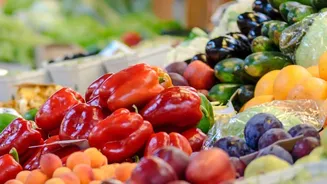
Eating seasonally means choosing fruits and vegetables that are harvested at their natural peak. This practice has several benefits for your gut. First, seasonal produce is often fresher and more nutrient-dense. When produce is picked at its peak, it's packed with the vitamins, minerals, and antioxidants your body needs to thrive. Second, rotating your diet with the seasons naturally introduces a wider variety of plant foods. This diversity is crucial for a healthy gut microbiome, as different types of fibre feed different beneficial bacteria. Fresher, locally sourced produce also means it has travelled less and required fewer preservatives to reach your plate.
Your November Shopping List for a Happy Gut
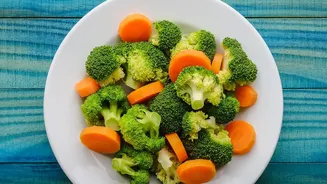
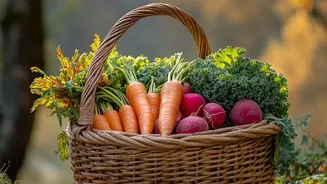
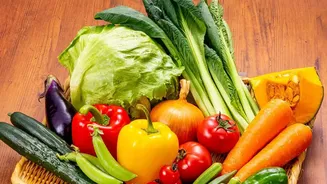
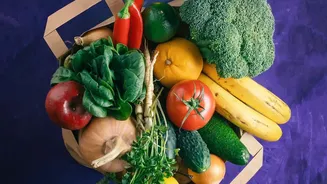
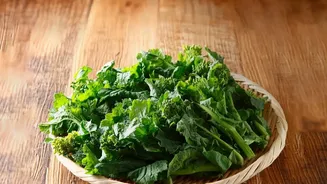
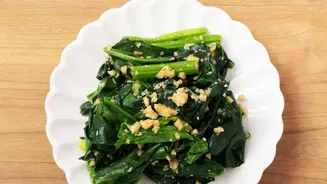
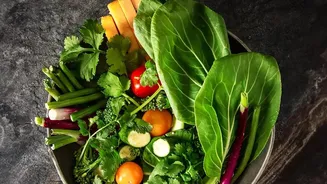
In India, November brings an abundance of produce perfect for supporting digestive health. Look for these items in your local market: Pumpkin, sweet potatoes, carrots, and beetroot are all excellent choices. These root vegetables are rich in complex carbohydrates and fibre, which aid digestion. Leafy greens like spinach (palak) and fenugreek (methi) are also in season and are packed with insoluble fibre that adds bulk and promotes regularity. For fruits, pomegranates, guavas, and oranges are at their best. Pomegranates and guavas are fantastic sources of dietary fibre, while citrus fruits provide a welcome boost of Vitamin C.
Fibre: The Unsung Hero of Digestion
Fibre is essential for a healthy digestive system, and November's seasonal bounty is full of it. There are two main types: soluble and insoluble, and you need both. Soluble fibre, found in foods like oats, apples, carrots, and beans, dissolves in water to form a gel-like substance that can help you feel full and supports good bacteria. Insoluble fibre, found in whole grains and vegetables like leafy greens, doesn't dissolve. Instead, it adds bulk to stool, helping it pass more easily through your digestive system and preventing constipation. Foods like sweet potatoes and pumpkin provide a healthy mix of both fibres, making them digestive powerhouses.
Warming Spices and Hydration
Beyond produce, simple habits can support your gut this season. As the weather cools, incorporating warming spices like ginger, turmeric, and cinnamon into your cooking can be beneficial. In many traditional Indian practices, these spices are known to aid digestion. Ginger, for instance, can help soothe an upset stomach, while turmeric has anti-inflammatory properties. It's also crucial to stay hydrated, even though you may not feel as thirsty as you do in the summer. Water is vital for helping fibre do its job and keeping your entire digestive system running smoothly. Warm water or herbal teas can be a comforting way to meet your hydration needs.