

Venus: The Dazzling Evening Star
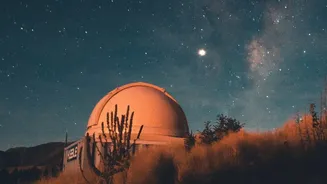
Throughout August, the planet Venus will be the undisputed queen of the evening sky. Look to the west just after sunset, and you won't be able to miss its brilliant, steady light piercing through the twilight. Around the middle of the month, on August 15,
Venus reaches its greatest elongation, meaning it will be at its farthest apparent distance from the sun in our sky. This makes it particularly easy to spot. On that same evening, a beautiful crescent Moon will appear near Venus, creating a stunning photo opportunity for amateur astronomers and romantics alike. Keep an eye on it all month as it shines brighter than any star or planet.
The Grand Perseid Meteor Shower
The annual Perseid meteor shower is one of the most beloved events on the astronomical calendar, and 2026 promises an exceptional show. The shower peaks on the night of August 12 and into the pre-dawn hours of August 13. What makes this year special is that the peak coincides with a New Moon, meaning the sky will be perfectly dark without any moonlight to wash out the fainter meteors. For observers in India, the best time to watch is from midnight until dawn on the morning of August 13, with the hours between 2 AM and 4:30 AM IST being optimal. Under ideal dark-sky conditions, far from city lights, you might see between 50 and 100 meteors per hour—bright, fast streaks of light, many leaving long, glowing trails.
A Parade of Planets in the Morning
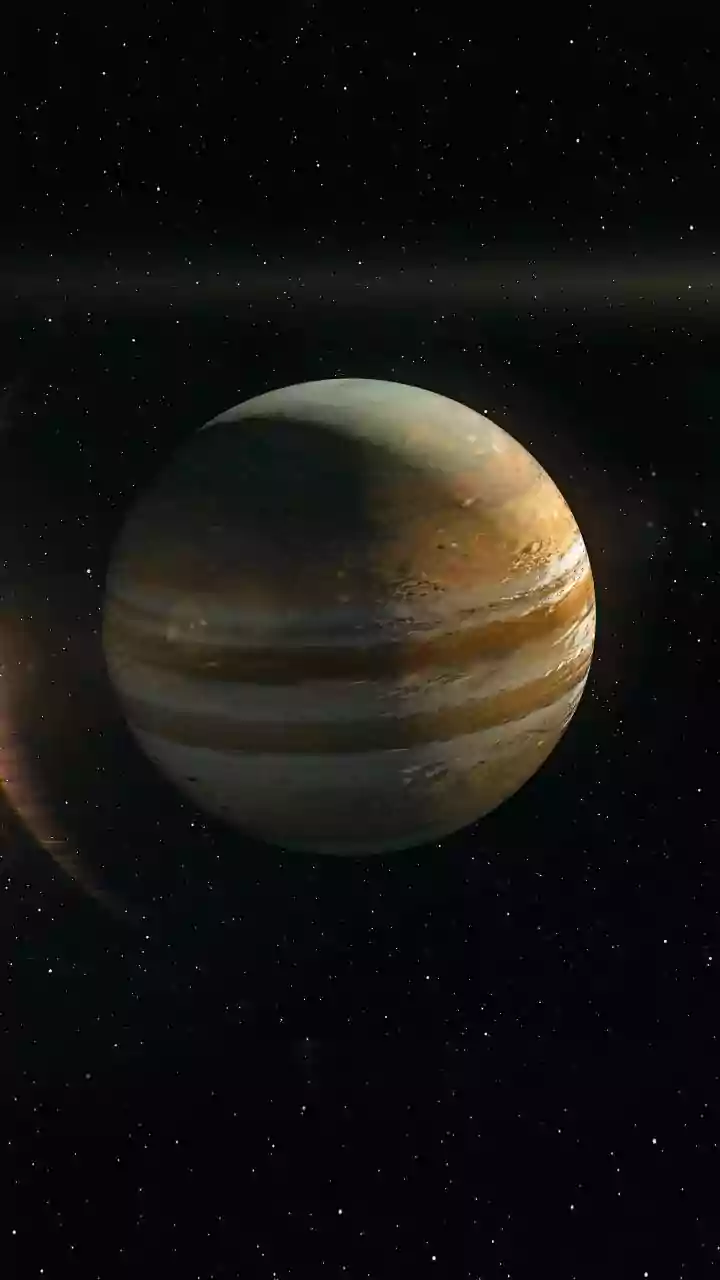
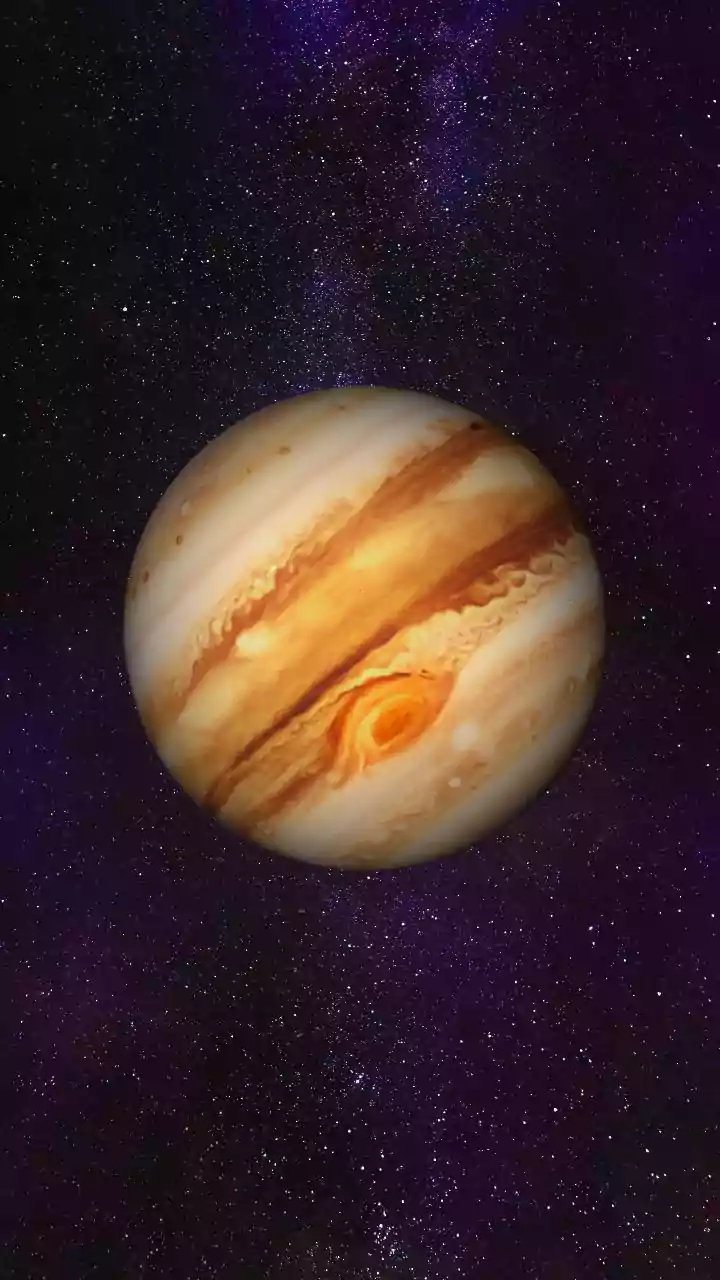
While Venus rules the evening, the pre-dawn sky has its own spectacle. On and around August 12, a 'planet parade' will stretch across the morning sky. Six planets—Mercury, Mars, Jupiter, Saturn, Uranus, and Neptune—will appear in a rough alignment before sunrise. For naked-eye observers in India, Mars and Saturn will be the easiest to spot, with Jupiter and Mercury also visible but much lower on the eastern horizon, making them a challenge. To see this lineup, you’ll want to be outside about 60 to 90 minutes before your local sunrise, looking towards the east. While Venus won't be part of this morning show, seeing multiple planets at once is a rare treat.
Saturn Grows Brighter
August is also a great time to start observing Saturn. The famous ringed planet will be rising in the east in the evening and will be visible throughout the night. While it won't reach its peak brightness until its opposition in early October, it will become an increasingly prominent and excellent object for observation as the month progresses. Even a small telescope can reveal its iconic rings, and in August it will be high in the sky before dawn, sharing the stage with the other morning planets.
Tips for Best Viewing in India
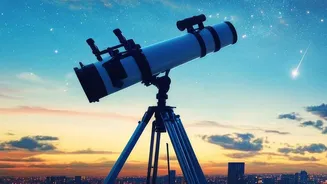
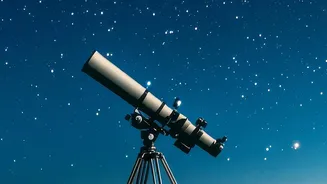
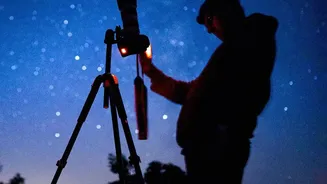
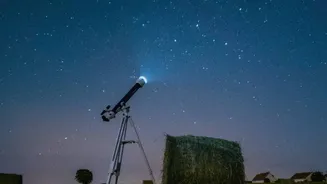
To make the most of these celestial events, the key is to get away from the light pollution of major cities. Find a dark spot with a clear, unobstructed view of the horizon. Give your eyes at least 15-20 minutes to fully adapt to the darkness; this means avoiding looking at your bright phone screen. For meteor showers, you don't need any special equipment. Just lie back on a blanket or a comfortable chair and look up. For viewing planets, a pair of binoculars can enhance the view of Jupiter's moons or give you a better glimpse of the planetary parade, while a basic telescope can begin to reveal Saturn's rings.