





Your Old Furniture Is Your Greatest Asset
In the world of interior design, it is easy to get swept up in the allure of the new. We scroll through flawless images online, pinning pristine rooms where every single item seems to be part of a perfectly matched set. The temptation to discard everything
and start over is strong. But the most soulful, interesting, and authentic homes are not born from a catalogue; they are collected and layered over time. Your existing furniture—the rosewood cabinet inherited from your grandmother, the sturdy sofa that has seen years of family gatherings, the first ‘real’ armchair you ever bought—is not an obstacle. It is the protagonist of your home’s story. These pieces have history and character that no new item can replicate. Embracing them is not just a practical, budget-friendly decision; it is a choice for sustainable living and a foundation for a design that is uniquely yours.
Start with an Inventory, Not an Idea
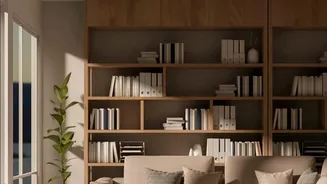
Before you open Pinterest or tear a page from a magazine, look around. The first step in building a moodboard from existing pieces is to 'shop your own home'. Take a detailed inventory of what you have. Don't just list items; analyze them. What is the dominant material of your dining table? What is the underlying colour in the weave of your favourite armchair's upholstery? What is its silhouette—is it curved and traditional or straight and modern? Take photos. This process forces you to see these familiar objects with a designer’s eye. Select a 'hero' piece for the room you're redesigning. This is often the largest or most emotionally significant item, like a sofa, a bed, or a large bookshelf. This piece will become the anchor of your entire moodboard and the star around which all other choices will revolve.
Let Your Hero Piece Dictate the Palette
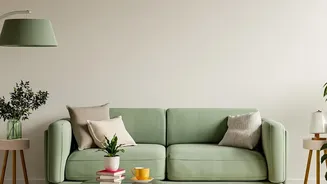
Once you have your hero piece, you have your colour palette. It is a common mistake to choose a paint colour in isolation and then try to force your furniture to fit in. Instead, let your primary piece of furniture guide you. A wooden almirah isn't just 'brown'; it has rich tones of red, yellow, or cool ash. A patterned rug contains a multitude of shades you can pull from for wall colours, cushions, and curtains. Hold paint swatches and fabric samples directly against your furniture to see how they interact in your home's specific lighting. This method ensures harmony from the very beginning. You are not trying to match everything perfectly, but rather finding a common thread that ties the old and new together.
Building the Moodboard Layer by Layer
With your hero piece and core colours established, you can begin adding new elements to your moodboard. This can be a physical board with fabric scraps and paint chips or a digital one using tools like Canva or Pinterest. Start with the big surfaces: add a photo of your hero piece, then add swatches for flooring and wall colours. Next, layer in textures. If your sofa is a smooth leather, perhaps you want to bring in the softness of a woollen throw or the roughness of a jute rug. Then, add complementary furniture. If your hero is a traditional, ornate piece, you might look for new items with clean, modern lines to create an interesting contrast. This deliberate juxtaposition is what gives a room energy and personality.
The Art of the Mix: Creating Cohesion
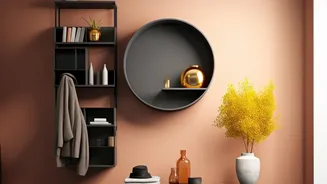
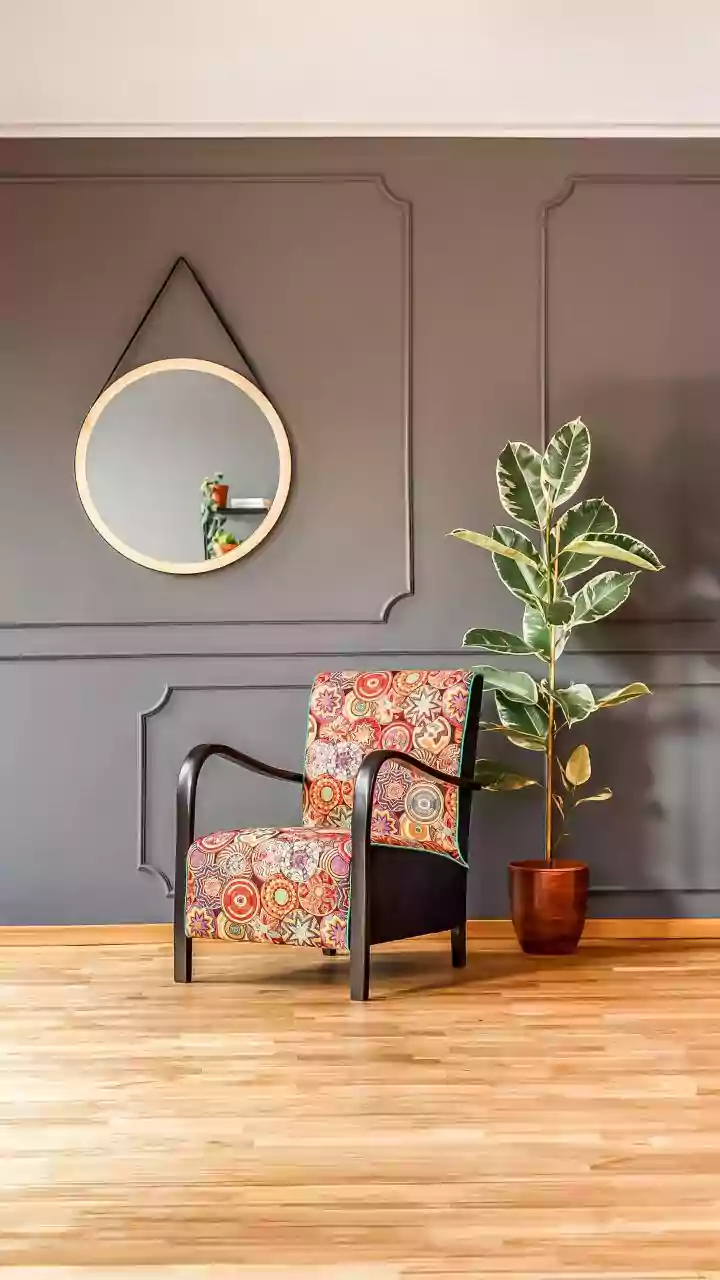
The fear when mixing old and new is that the room will look chaotic or disjointed. Cohesion is achieved not through matching, but through balance and repetition. A good rule of thumb is to let one style be dominant, making up about 60% of the room, and use the other for accents. If your foundational furniture is traditional, your 'new' additions can be modern light fixtures, contemporary art, or sleek side tables. Create visual links between the pieces. For instance, you can echo the curved leg of an old table with a new round mirror. Or match the black metal from a modern lamp stand to the handles on a vintage chest of drawers. A large rug can also be a powerful tool to ground the space and unify different furniture styles. This thoughtful blending ensures the room feels curated and intentional, not accidental.