




An AI Guide for Your Grocery Cart
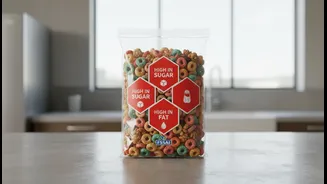
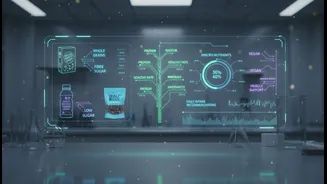
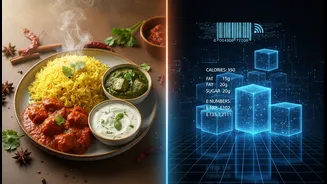
In an effort to combat the rise of lifestyle diseases linked to processed foods, the National Institute of Nutrition (NIN) is developing an AI-powered tool. The idea is simple but powerful: create a search engine or chatbot that allows you to look up
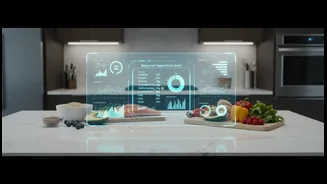
any packaged food product in India and instantly get its nutritional profile. The initiative aims to be a one-stop source for consumers, flagging ingredients and nutritional aspects to help people better understand what they are buying and eating. With the consumption of pre-packaged foods on the rise, a tool that decodes complex labels and technical jargon feels like a welcome step towards empowering the average person to take charge of their health.
The Promise and the Pitfalls
The potential benefits are clear. An app backed by a premier institution like NIN could offer accessible, data-driven insights into our diets. However, the excitement around AI in health must be balanced with caution. Studies on existing AI diet planners have revealed significant issues. For instance, research has shown that AI-generated meal plans can dangerously underestimate a person's daily calorie needs and provide an incorrect balance of carbohydrates, proteins, and fats. Furthermore, algorithms often provide generic advice that fails to consider crucial personal context, such as chronic health conditions, allergies, cultural dietary practices, or the psychological aspects of eating. An AI bot can't understand your unique life and body the way a human expert can.
Checklist: Is This AI a Smart Choice?
Before you hand over your dietary decisions to an algorithm, it's vital to ask the right questions. Technology is a powerful tool, but when it comes to your health, you must remain the one in control. Think of any AI nutrition bot as an assistant, not a doctor. Use this practical checklist to evaluate whether the advice you're getting is truly healthy for you.
1. What is the source of its data?
An AI is only as smart as the data it's trained on. For an Indian user, the bot must be based on data relevant to India. Look for confirmation that the tool uses verified, up-to-date sources, such as the Indian Food Composition Tables from ICMR-NIN. The NIN's planned bot intends to use information from product labels, which is a good start, but ensure the interpretation is scientifically sound. Generic data from other countries won't accurately reflect local products, regional foods, and Indian cooking methods. If the source of information isn't clear, be sceptical.
2. Does it account for your personal context?
Your health is not a generic template. A trustworthy AI tool should ask for more than just your age and weight. It needs to know about your activity level, pre-existing health conditions (like diabetes or hypertension), food allergies, and dietary preferences (e.g., vegetarian, vegan). AI struggles with nuance and may not be suitable for those with complex medical needs. If the bot offers a one-size-fits-all plan without a deep personal assessment, it isn't truly personalizing your nutrition and could give inappropriate or even harmful advice.
3. How is your personal data being protected?
Using a health app involves sharing sensitive personal information. Before you start, check the app's privacy policy. Where is your data stored? Is it encrypted? Is it being shared with or sold to third-party companies? Reputable health tools should be transparent about how they handle your data and comply with data protection regulations. Your health information is valuable; make sure you're not giving it away to unknown entities.
4. Does it know its own limits?
No AI can replace a qualified doctor or registered dietitian. A responsible AI tool will be clear about its limitations. It should explicitly state that it is for informational purposes only and is not a substitute for professional medical advice. Look for disclaimers and recommendations to consult a healthcare professional for personalised diagnosis and treatment plans. If an app claims to be '100% accurate' or 'better than a doctor', that's a major red flag.