






More Than Just a Boat
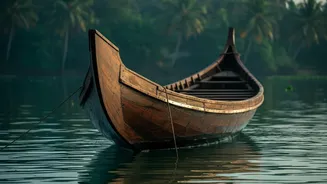
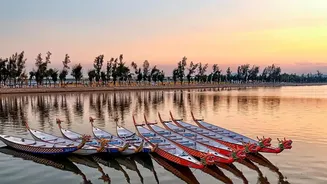
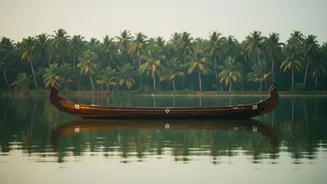
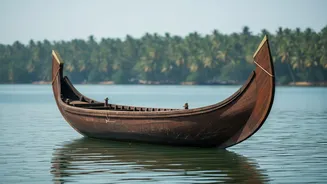
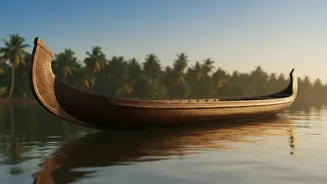
A Chundan Vallam is not merely a vessel; it is a village's soul carved from wood. Stretching over 100 feet long, these boats are revered as deities, commanding respect and devotion. Each boat belongs to a specific village or community, and its success
in a regatta like the Nehru Trophy Boat Race is a matter of immense pride. Constructed from Anjili wood (wild jackfruit) according to ancient treatises, their design is a marvel of naval architecture passed down through generations. With a raised prow resembling a cobra's hood, they can carry over 100 oarsmen, who must be barefoot to show respect when aboard the sacred vessel.
The Awakening of the Serpent
The preparation for the racing season begins with bringing the boat out from its resting place. This is not a simple task of manual labour but a ceremony in itself. The entire village participates in this awakening. Before any physical work begins, prayers are offered, and rituals are performed to seek blessings for the boat and its crew. This marks the official start of the season, a period where the community dedicates itself to preparing their champion. The annual repair work is undertaken by the village carpenter, ensuring the boat is structurally sound after its hibernation. Months of rigorous training follow for the rowers, who build strength and perfect their synchronisation, which is crucial for victory.
A Secret Recipe for Speed
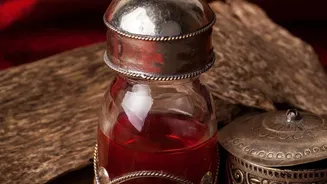
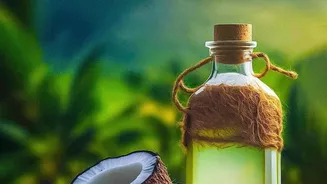
The most crucial part of the preparation is the application of a special concoction that makes the boat water-resistant and slick. This isn't modern varnish but a traditional, organic mixture with a closely guarded recipe. The primary ingredients include fish oil, the ash of burnt coconut shells, and egg whites. This pungent paste is painstakingly rubbed into every inch of the boat's hull. The process, which can take several days, serves multiple purposes. The oil waterproofs the Anjili wood, preventing it from absorbing water and becoming heavy. The carbon from the ash and the protein from the eggs create a smooth, lubricious surface that reduces friction, allowing the massive boat to glide almost frictionlessly through the water.
A Village United in Effort
Preparing a snake boat is a powerful symbol of community spirit. It’s an undertaking too large for any single person. The entire village, or 'kara', comes together. While some apply the oil, others work on repairs or prepare for the rituals. This collective effort is fuelled by the rhythmic chanting of the Vanchipattu, or boat songs, which will later be used to synchronise the rowers during the race. Another integral tradition is the Vallasadya, a massive vegetarian feast offered to the oarsmen. Hosted by devotees as a religious offering at temples like the Aranmula Sree Parthasarathy Temple, these feasts can feature over 60 different dishes. The oarsmen sing for the dishes they want, and the community serves them, reinforcing the bond between the crew and their supporters.
From Ritual to Regatta
By the time the boat reaches the starting line of a race, it is more than just a well-oiled machine. It is a vessel imbued with faith, pride, and the collective energy of a community. The rituals are not just about maintenance; they are about transforming a wooden boat into a living entity. The discipline, devotion, and unity fostered during the preparation are what truly propel the boat forward. As the 100-plus oarsmen paddle in perfect, thunderous harmony, their strokes echoing the Vanchipattu sung for weeks, they are powered by more than muscle. They carry the blessings of their temple, the hopes of their village, and the enduring strength of a centuries-old tradition.