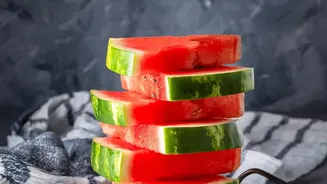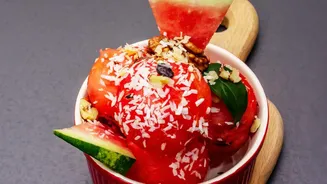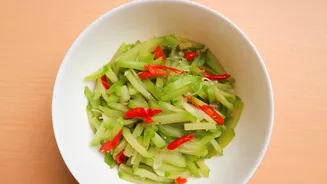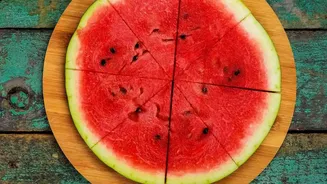




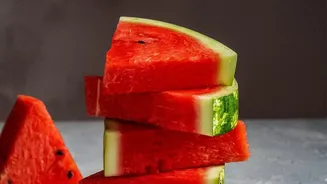


That thick, white and green rind from a summer watermelon usually goes straight into the bin. But a growing movement of resourceful home cooks is proving that this overlooked scrap is actually a versatile and delicious ingredient in its own right.
More Than Just Waste
Before
you toss that rind, consider what you are throwing away. The concept of zero-waste cooking encourages using every part of an ingredient to reduce household food waste, save money, and get more out of your groceries. The watermelon rind, which makes up a significant portion of the fruit's weight, is a prime example of an edible part that is often discarded. Its firm texture is similar to a cucumber or summer squash, with a mild flavour that readily absorbs spices and seasonings. Nutritionally, the rind is not empty either. While not as potent as the flesh, it contains fibre, vitamin C, potassium, and the amino acid citrulline. By saving it from the compost bin, you are adding nutrients and texture to your meals while taking a small but meaningful step towards a more sustainable kitchen.
How to Prepare the Rind
Preparing watermelon rind is simple. First, make sure to wash the outside of the watermelon thoroughly before you cut into it. Once you have enjoyed the sweet, red flesh, separate it from the rind. For most recipes, you will want to use a vegetable peeler or a paring knife to remove the tough, dark green outer skin. You will be left with the pale white and light green part, which is the star of the show. From here, you can cut it into cubes, slice it into sticks, shred it, or even spiralize it, depending on your culinary plans. Its texture holds up well to cooking, making it incredibly versatile.
A Savoury Sensation: Curries and Pickles
In India, using watermelon rind in savoury dishes is a long-standing tradition. 'Tarbooz ki Sabzi' is a popular dish where the rind is cubed and cooked with spices like turmeric, cumin, and garam masala to create a flavourful vegetable curry. The rind’s sponge-like quality allows it to soak up the aromatic flavours beautifully, resulting in a tender and delicious side dish that pairs well with rice or chapati. Another popular savoury use is pickling. Much like cucumber, watermelon rind makes for fantastic pickles. You can make a quick refrigerator pickle with vinegar, sugar, salt, and spices like cloves, cinnamon, and chilli flakes for a sweet and spicy kick. These pickles are a delightful snack on their own and a crunchy, acidic addition to salads, sandwiches, and grain bowls.
From Sweet Pickles to Candied Treats
The rind's versatility extends to sweet applications as well. Candied watermelon rind is a classic treat where the rind is simmered in a sugar syrup until it becomes translucent and chewy. These sweet bites can be coated in sugar and dried, creating a confection similar to gummy candies. You can also turn the rind into a unique jam or preserve. By dicing the rind finely and cooking it down with sugar, lemon juice, and other fruits like strawberries, you can create a delicious spread for toast or scones. Some home cooks even blend the raw rind into smoothies, where its high water content and mild taste make it a refreshing and hydrating addition that replaces ice.