





Defining the Distorted Dreamscape
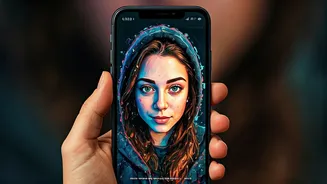
Forget the hyper-realistic, photorealistic images that first made AI image generators famous. A new aesthetic is taking hold, one that deliberately embraces the machine's mistakes. Think dreamy, out-of-focus portraits where facial features seem to melt,
landscapes that swirl with impossible colours, and digital artifacts that resemble the compression of a low-quality 90s JPEG. This isn't about creators failing to write a 'good' prompt; it's about them intentionally coaxing the weird, the surreal, and the beautifully imperfect out of the algorithm. This style prioritises mood and texture over clarity and precision, creating visuals that feel like half-remembered dreams or forgotten memories from an old computer.
A Rebellion Against the Polished Feed
For years, the dominant online aesthetic was one of hyper-curation. The 'Instagram-perfect' life, with its flawless filters, minimalist decor, and poreless selfies, set an unattainable standard. This new wave of blurry AI art is, in part, a direct rebellion against that pressure. It’s a visual sigh of relief. By choosing images that are inherently flawed, creators are rejecting the exhausting performance of online perfection. The blurriness acts as a shield, subverting the expectation to present a clean, marketable, and flawless version of oneself and one's art. It’s a way of saying that messy, complex, and even confusing is more interesting—and more honest—than sterile perfection.
Nostalgia for a Digital Past
Much of the Gen Z experience is defined by a unique form of nostalgia—often for eras they were too young to fully participate in. The blurry AI aesthetic taps directly into this. Its grainy textures and distorted forms echo the look and feel of early internet graphics, low-resolution video games, glitch art, and the vaporwave movement that romanticised the '80s and '90s tech utopia. It evokes the feeling of watching a worn-out VHS tape or seeing an image slowly load over a dial-up connection. For a generation that grew up with high-definition everything, this lo-fi, analogue-adjacent quality feels novel, comforting, and authentic. It's a manufactured memory of a simpler, weirder digital world.
Finding the Ghost in the Machine
Instead of fighting the artificial nature of AI, this trend leans into it. Early AI art often tried to mimic human painting or photography, with the goal being to create something indistinguishable from human work. Blurry, imperfect graphics take the opposite approach. They celebrate the 'AI-ness' of AI. The weird six-fingered hands, the nonsensical text in the background, the uncanny way faces can morph—these aren't bugs to be fixed, but features to be highlighted. It’s an acknowledgement that the tool itself has a strange, non-human perspective. Creative Gen Z is finding the 'ghost in the machine' and collaborating with it, treating its quirks not as errors but as the unique signature of a new artistic medium.
The Search for Digital Authenticity
Ultimately, the preference for imperfect AI graphics boils down to a search for a new kind of authenticity. In a world saturated with deepfakes and digitally manipulated images, a perfectly rendered image can ironically feel more fake than a distorted one. The flaws are proof of the process; they make the art feel more earned and less like a push-button product. This aesthetic suggests that true authenticity isn’t about appearing perfect, but about embracing vulnerability and imperfection. It’s a deeply human response to an increasingly automated world, proving that even when we use machines to create, we are still searching for a reflection of our own messy, complicated, and imperfectly beautiful selves.