



For decades, dining out on Indian food meant choosing between the familiar comforts of Butter Chicken and a Masala Dosa. But a quiet revolution is simmering in India's metropolitan kitchens, challenging these broad strokes with a vibrant, diverse palette.
Beyond North and South India
The Indian culinary scene is experiencing a movement toward hyper-regional specificity. Diners in cities like Mumbai, Delhi, and Bengaluru are no longer satisfied with menus that broadly classify dishes as 'North Indian' or 'South Indian'. Instead, there's a growing appetite for what many chefs and food critics are calling 'micro-regional' or 'hyper-local' cuisines. These are food traditions that belong to a specific sub-region, community, or even a particular family kitchen, reflecting a unique geography, climate, and cultural history. This shift represents a deeper conversation about identity, heritage, and what it means to eat 'authentic' Indian food today.
Spotlight on Specificity
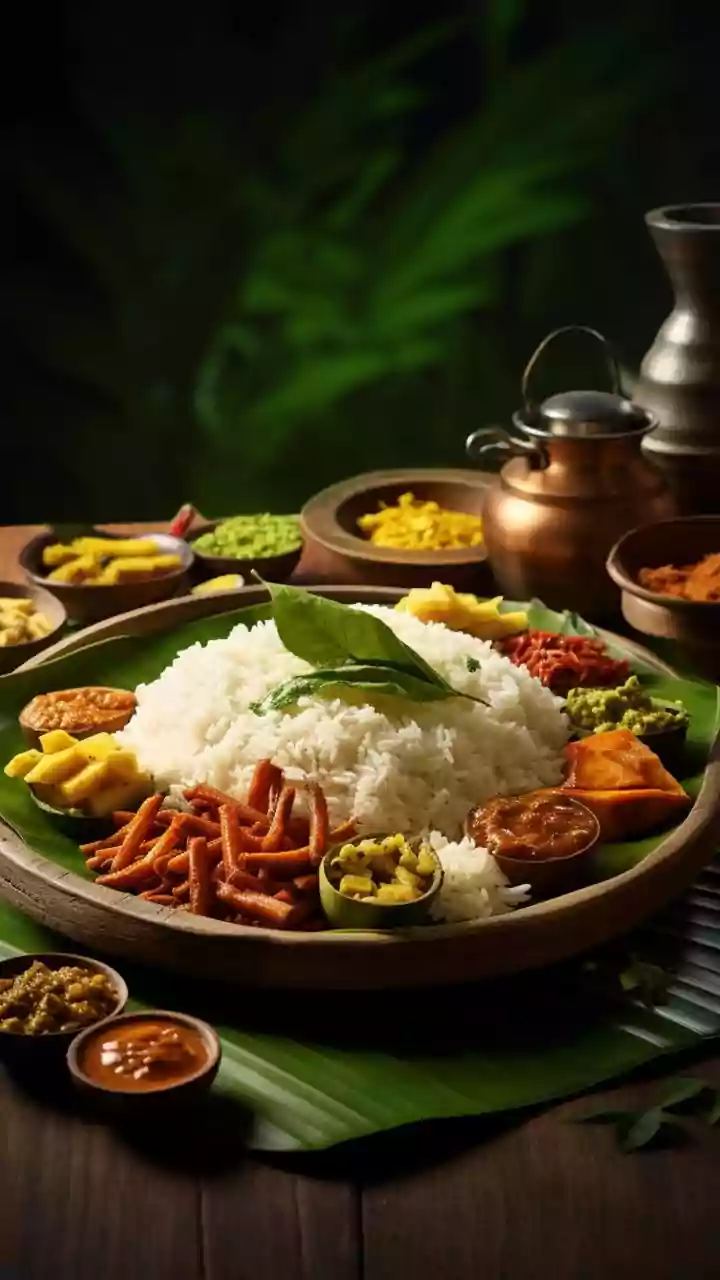
So, what does a micro-regional cuisine look like on a plate? Think beyond the usual suspects and dive into the nuances. Instead of just Maharashtrian food, restaurants are specialising in the fiery, coconut-heavy seafood dishes of Malvani cuisine, a style rooted in the Konkan coast. Similarly, the conversation around Tamil food is moving past Chettinad to celebrate the subtle, rustic flavours of Kongunadu cuisine from the state's western region. This cuisine is known for its use of dry coconut, sesame, roasted turmeric, and minimal oil, with dishes like Arisi Paruppu Sadam (a one-pot rice and lentil dish) and Pallipalayam chicken showcasing its unique profile. In Delhi, eateries and home chefs are slowly bringing the distinct food of Himachal Pradesh, like Madra (a yoghurt-based curry) and Chha Gosht (lamb in gram flour gravy), to a wider audience.
The Chefs Championing a Culinary Return
This movement is largely driven by a new generation of Indian chefs who are acting as custodians and storytellers for their regional food cultures. Chefs like Avinash Martins in Goa, Prateek Sadhu in Himachal Pradesh, and the late Chef Jacob Sahaya Aruni, who researched Kongunadu cuisine, are looking to their own backyards and family histories for inspiration. They are reviving lost recipes, championing local ingredients, and presenting them in contemporary formats that appeal to the modern diner. For instance, restaurants like Kalpaney in Bengaluru are presenting nostalgic vegetarian flavours through a global lens, transforming traditional dishes into refined plates. This isn't about rejecting tradition, but understanding it more deeply to help it evolve.
A Hunger for Authenticity and Stories
Several factors are fuelling this trend. Diners are more informed and curious than ever, partly due to increased domestic travel and the visual storytelling power of social media. Having tasted local cuisines at their source, people return to cities with a craving for those authentic flavours. There's a growing fatigue with standardised restaurant menus and a desire for food that tells a story—of a place, a community, or a family. This desire for authenticity is pushing restaurants to go beyond serving just food and to offer a cultural experience. This has led to popups and food festivals dedicated to specific cuisines like Garhwali, Bihari, and Kashmiri Pandit food, giving diners a chance to explore the country's immense diversity one meal at a time.