
The Foundation of Flavour and Tang
At its core, curd is a primary souring agent. The lactic acid, a result of fermentation, gives dahi its characteristic tangy flavour. This acidity is crucial in many dishes, where it provides a bright counterpoint to rich, heavy spices. Think of Punjabi
kadhi pakora, where sour yogurt forms the very base of the creamy, savoury sauce, or South Indian mor kuzhambu, a tangy curd-based stew. In these recipes, curd isn’t just an ingredient; it is the defining element that provides the foundational flavour. Its ability to balance the bold spices used in Indian cooking is one of its most important functions, preventing dishes from becoming overwhelmingly spicy or one-dimensional.
The Science of a Great Marinade
One of curd's most celebrated roles is as a meat tenderizer, particularly in dishes like Tandoori Chicken and various kebabs. The magic lies in its mild acidity. The lactic acid in curd gently breaks down the proteins in meat, a process known as denaturation. Unlike harsher acids from vinegar or citrus, which can make meat tough and rubbery if left for too long, curd works slowly and gently. As it tenderizes, the dairy proteins also create a coating that locks in moisture. When this marinated meat hits the heat of a tandoor or grill, the curd coagulates, forming a creamy barrier that prevents the exterior from drying out, ensuring the final product is succulent and juicy. This dual-action of tenderizing and moisturizing is why curd-based marinades are a cornerstone of Indian grilling.
Creating Creamy, Stable Gravies
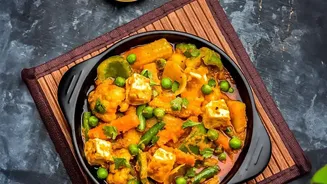
Curd is also the secret to creating velvety, rich gravies without the heaviness of cream or butter. It acts as both a thickener and a flavour enhancer in many kormas and curries. However, cooking with curd can be tricky, as it has a tendency to split or curdle when exposed to high heat or a very acidic base. Experienced cooks have several techniques to prevent this. Using full-fat curd, bringing it to room temperature, and whisking it until smooth are common starting points. A popular method is to 'temper' the curd by mixing a few spoonfuls of the hot curry base into the whisked curd before slowly incorporating the mixture back into the pan over low heat. Some recipes also call for adding a little gram flour (besan) to the curd as a stabilizer. When done correctly, curd lends a luxurious, silky texture and a subtle tang that elevates the entire dish.
The Cooling Counterpart and Digestive Aid
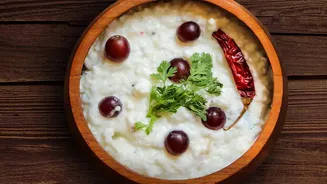
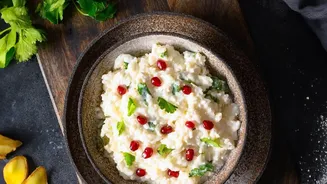
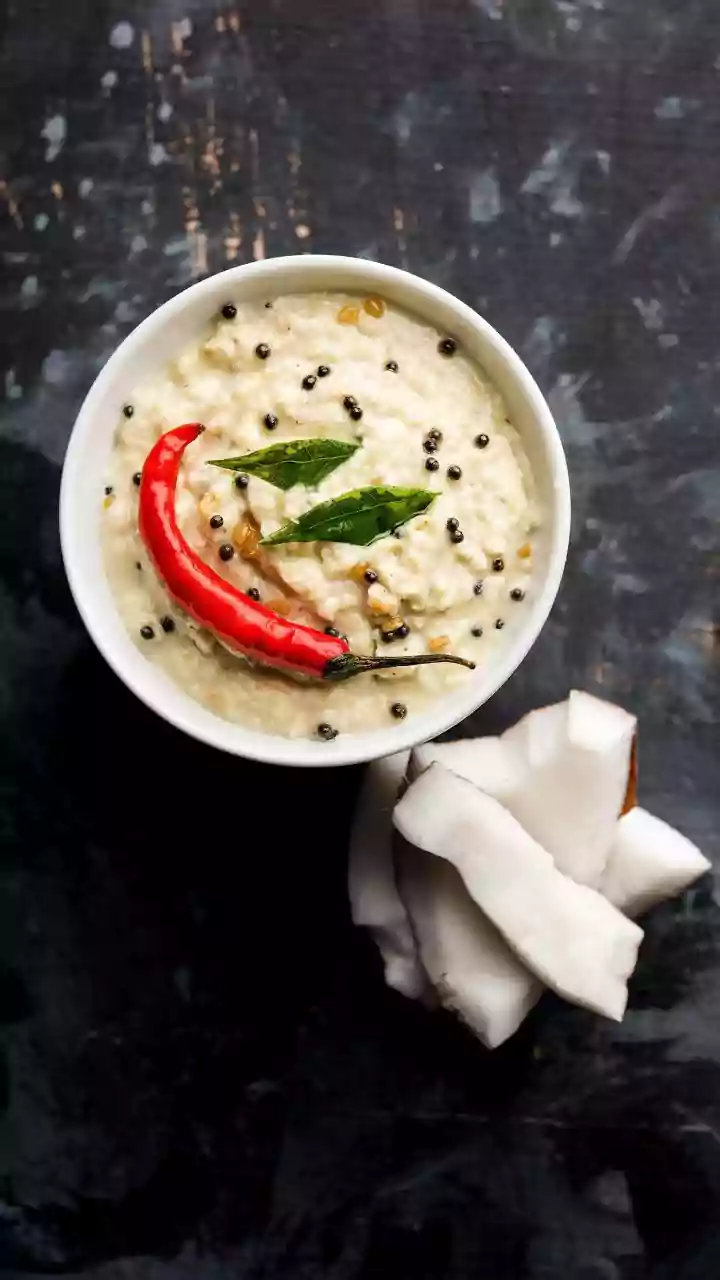
Perhaps its most familiar role is as a cooling agent. A bowl of dahi or a side of raita is a classic accompaniment to spicy dishes like biryani or fiery curries. Its cool temperature and mild flavour provide a welcome relief on the palate, balancing the heat of chillies and strong spices. This practice is seen across India, from North Indian meals served with raita to the South Indian tradition of ending a meal with curd rice (thayir sadam), a dish believed to aid digestion and soothe the stomach. As a fermented food, curd is rich in probiotics, which support gut health. This nutritional benefit, rooted in centuries of traditional dairy practices, makes it not just a culinary component but a functional food integrated into the daily diet of millions.
A Partner in Fermentation
Beyond its use in curries and marinades, the live cultures in curd also play a role in fermenting batters for other beloved dishes. While many recipes use specific starters, leftover or sour curd is often added to batters for dosas, idlis, and dhoklas. The acidity helps kickstart the fermentation process, contributing to a lighter texture and a pleasantly sour taste. In some preparations, like bhatura, curd is added to the dough instead of yeast to leaven it, resulting in a soft and tangy bread that pairs perfectly with chhole. This highlights its versatility, showcasing how even leftover curd, which might be too sour to eat plain, finds a valuable purpose in the resourceful Indian kitchen.