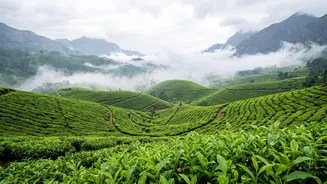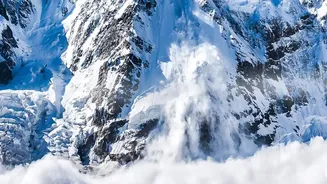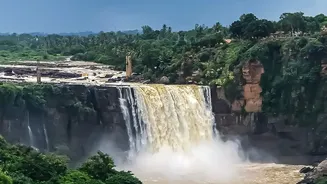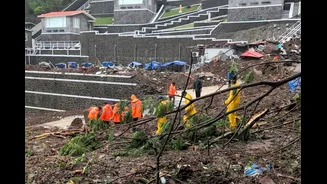




The Reality Beyond the Romance
While the monsoon transforms India into a green paradise, it also brings significant risks that go far beyond a simple downpour. Heavy rains can trigger a cascade of hazardous events, turning a dream vacation into a logistical nightmare or worse. The
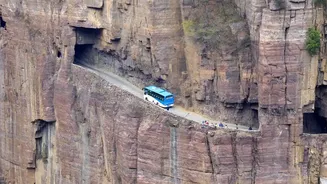
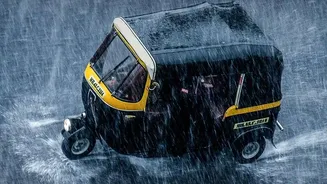
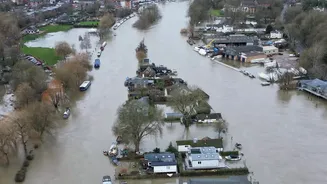
primary dangers are not just the rain itself, but its impact on the local geography. In mountainous regions, this means a heightened risk of landslides and rockfalls, which can block roads for days and isolate entire towns. In coastal areas and plains, flash floods and widespread waterlogging are common, disrupting transport and posing health risks. Urban centres, with their often-overburdened drainage systems, can become submerged within hours, bringing all movement to a halt.
Not All Monsoon Destinations Are Equal
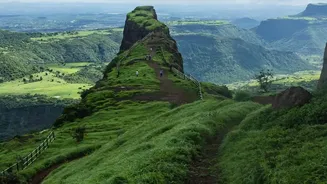
Understanding regional differences is key to safe monsoon travel. Some areas are notoriously hazardous during this season. High-altitude Himalayan destinations like those in Uttarakhand and Himachal Pradesh, including pilgrimage routes and popular spots like Manali, are frequently impacted by landslides and flash floods. Similarly, parts of the Western Ghats, including popular hill stations in Kerala and Maharashtra, can be vulnerable. The India Meteorological Department (IMD) and the National Disaster Management Authority (NDMA) regularly issue advisories for these regions. Conversely, some destinations are considered safer and are at their most beautiful during the rains. These include places in Rajasthan that receive minimal rainfall, parts of the Deccan Plateau, and specific, well-connected coastal areas that are better equipped to handle the rain.
Your Pre-Booking Weather Checklist
Before you click 'book', a thorough weather check is non-negotiable. First, look beyond the simple forecast of 'rain'. Check for specific warnings about heavy or 'extremely heavy' rainfall, which are indicators of potential flooding and landslides. Use official sources like the IMD website and mobile apps like 'Damini' for lightning alerts and 'Sachet' for broader disaster warnings. It's also wise to research the destination's history. Has it experienced severe flooding or landslides in recent monsoons? Local news reports and government disaster management portals can provide this crucial context. Finally, keep buffer days in your itinerary. Monsoon travel is often unpredictable, and having a flexible schedule can prevent stress from flight cancellations or road closures.
Practical Safety and Packing Tips
Once you've chosen a relatively safe destination, packing smart is your next line of defence. Prioritise waterproof gear, including a reliable raincoat, waterproof footwear with a good grip, and a cover for your backpack. Use zip-lock or dry bags to protect all your electronic gadgets, documents, and cash. Pack lightweight, synthetic clothing that dries quickly, as damp clothes can lead to fungal infections. A basic first-aid kit containing medicines for common ailments like colds, fever, and stomach issues is essential, as is a powerful insect repellent to protect against mosquito-borne diseases like dengue and malaria, which are more prevalent during this season. Also, be extremely cautious about food and water. Stick to bottled water and hot, freshly prepared meals to avoid waterborne diseases.