





A New Blueprint for Space Living
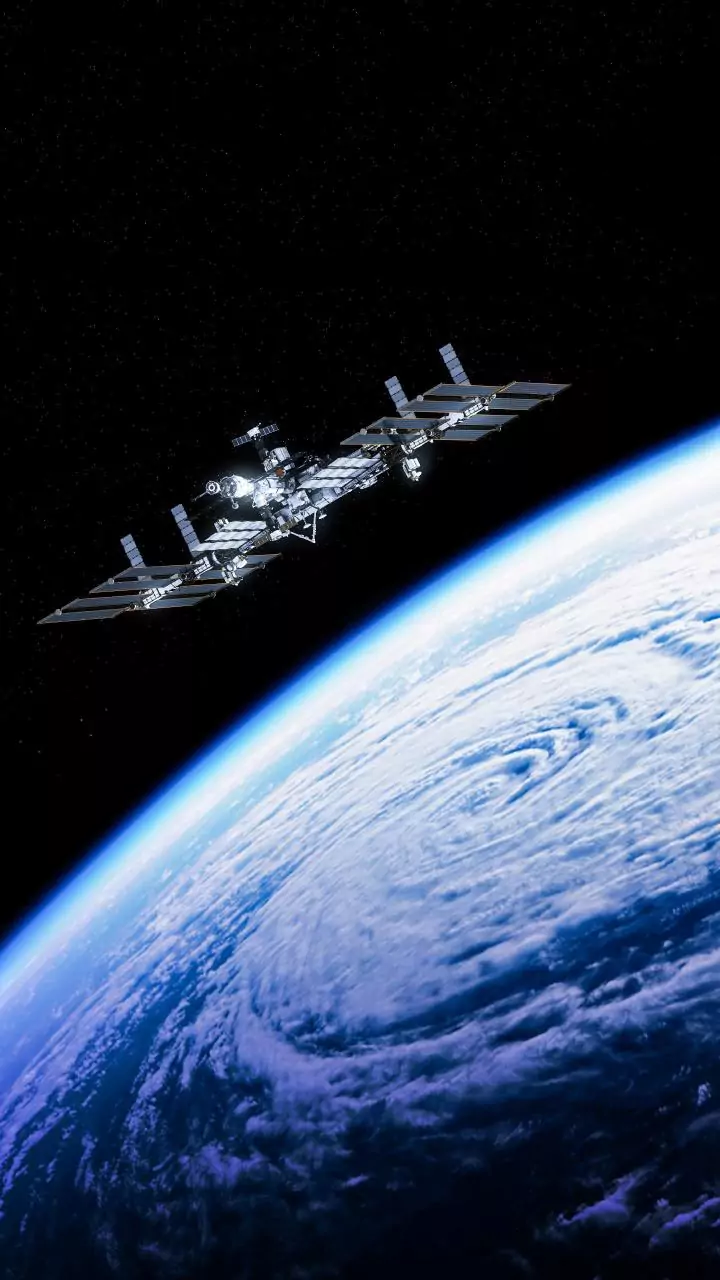
When you picture a space station, you likely imagine a collection of rigid, cylindrical metal cans bolted together. For decades, that has been the standard. However, companies are now pioneering expandable habitats that launch in a compressed form and inflate
to their full size in orbit. This concept isn't entirely new; NASA toyed with the idea in the 1960s. The most prominent real-world example is the Bigelow Expandable Activity Module (BEAM), which has been attached to the ISS since 2016. Originally a two-year technology demonstration, BEAM has performed so well that it remains attached, serving as a valuable storage closet in the volume-constrained station. These modules are not simple balloons; their multi-layered skins are made from high-strength fabrics like Vectran, which is stronger than Kevlar, offering robust protection from the harsh environment of space.
The Volume-to-Mass Advantage
The single biggest hurdle in any space venture is the staggering cost of launching mass into orbit. This is where inflatable habitats present a game-changing advantage. Because they can be packed into a much smaller space inside a rocket's fairing, they are significantly lighter and more compact than a traditional rigid module of equivalent size. This superior volume-to-mass ratio is the core of their cost-effectiveness. Think of it as packing a tent for a camping trip instead of hauling a prefabricated cabin. The result is a dramatic reduction in launch costs, with some estimates suggesting a large inflatable habitat could be an order of magnitude cheaper than a metallic one offering the same volume. This economic shift is crucial for making commercial activities in low-Earth orbit financially viable.
Pioneers of the Expandable Frontier
With the pioneering work of Bigelow Aerospace validating the concept, a new wave of companies is pushing the technology forward. Sierra Space is a major player with its Large Integrated Flexible Environment (LIFE) habitat. The company has conducted several successful ground tests, including pressurising full-scale prototypes until they burst, demonstrating that the structures can withstand pressures far exceeding NASA's safety requirements. Sierra Space aims to launch a 'pathfinder' test mission as soon as late 2026, with LIFE modules intended to form the backbone of the planned Orbital Reef commercial space station. Other key innovators include Axiom Space, which is developing its own modular station that will incorporate an inflatable segment, and the startup Max Space, which is also planning a test launch in 2026.
A Laboratory Amongst the Stars
What will all this extra space be used for? The expanded, cost-effective volume opens the door to a wide range of commercial applications that are difficult or impossible on the crowded ISS. These include in-space manufacturing of everything from unique fiber optics to pharmaceuticals, advanced microgravity research, and even entirely new industries like space tourism, sports, and entertainment. For scientists and astronauts, the larger, more open interiors also offer significant psychological benefits on long-duration missions, helping to reduce feelings of claustrophobia and improve morale. The ability to create larger, customisable labs in orbit promises to accelerate discovery and create a bustling economy hundreds of miles above the Earth.
The Road from Test to Tenancy
Despite the promise, there are still significant hurdles to overcome before families are vacationing in inflatable space hotels. Long-term durability is a primary concern. These habitats must prove they can withstand years of exposure to micrometeoroids, orbital debris, and intense solar radiation. Companies are conducting rigorous hypervelocity impact tests, firing projectiles at the habitat walls to simulate collisions with space junk and ensure their designs are safe for human occupants. Every new design must go through an exhaustive certification process with NASA and other bodies before it can be considered human-rated. The successful ongoing mission of BEAM, coupled with the promising results from ground tests by companies like Sierra Space, provides strong confidence that these challenges are being met.