

The Perils of Being Trendy
When handloom becomes a fleeting trend, it gets subjected to the brutal cycle of fast fashion. Trends dictate a rapid turnover of styles, demanding that products be cheap and disposable. This model is fundamentally at odds with the nature of handloom,
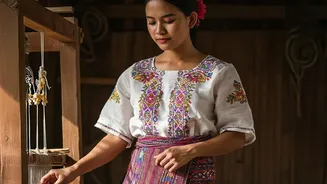
which is about slow, meticulous craftsmanship. A weaver invests days or even weeks into a single piece. Tying their livelihood to the whims of a trend cycle that lasts only a few months creates immense instability. When the trend fades, the demand plummets, leaving artisans with unsold stock and uncertain futures. This boom-and-bust cycle prevents the steady income necessary for weavers to support their families and reinvest in their craft, pushing many to abandon their looms for more stable, albeit less fulfilling, work.
The Reality Behind the Fabric
The handloom sector is the second-largest employer in India after agriculture, supporting over 3.5 million people, a majority of whom are women in rural areas. However, the reality for many weavers is one of struggle. They face intense competition from power looms that mass-produce cheaper imitations, rising costs of raw materials like yarn and dyes, and limited access to direct markets. Many weavers earn meagre daily wages that don't reflect the skill and labour invested, with some reports indicating incomes of less than ₹5,000 a month for a significant percentage of weavers. This economic pressure not only affects the current generation but also discourages younger family members from learning and continuing the ancestral craft, threatening to break a chain of heritage passed down for centuries.
More Than Just Clothing
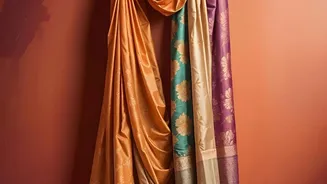
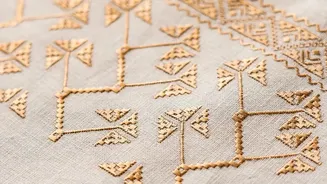
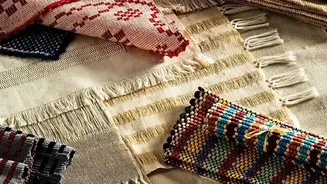
Handloom is a living expression of India's cultural diversity and a model of sustainable production. Each weave, from the Banarasi brocades to the Kanjeevaram silks, tells a story of its region. Unlike industrial manufacturing, which is a major global polluter, handloom production has a minimal carbon footprint. It uses negligible electricity, relies on natural fibres, and often employs natural dyes, making it an environmentally responsible choice. By supporting handloom, we are not just buying a piece of cloth; we are investing in the preservation of cultural heritage, promoting gender empowerment in rural communities, and championing a mode of production that is kinder to our planet.
From Trend Follower to Conscious Patron
The alternative to treating handloom as a trend is to become a conscious patron. This involves a shift in mindset from consumption to conservation. Instead of asking what’s new, we can learn about the stories behind different weaves. This means valuing quality and durability over fleeting styles, seeing a handloom piece as an heirloom to be cherished for years. Consumers can make a significant impact by buying directly from weavers or from organisations and cooperatives that ensure fair wages. Asking questions about a product's origin, understanding the craft, and appreciating the minor imperfections that make each handmade item unique are all part of this mindful approach. It's about building a relationship with the fabric and its creator, one rooted in respect and sustainability.