




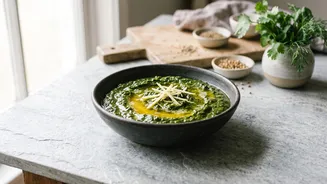
More than just a winter comfort food, saag is a nutritional powerhouse. This beloved Indian dish, a staple in many households, is packed with essential minerals that are key to good health. But not all saag is created equal. Let's explore what makes it so
good for you.
Beyond a Single Green
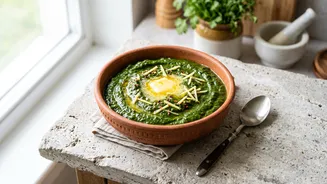
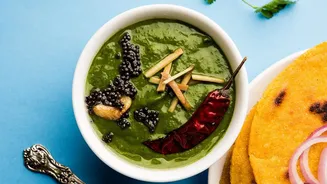
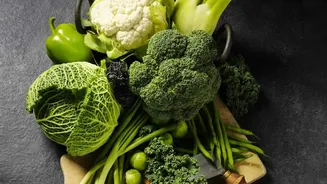
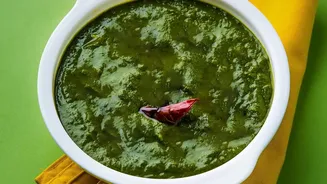
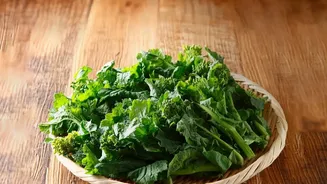
First, it's important to understand that 'saag' isn't one specific vegetable. It’s a category of dishes made from a variety of leafy greens, often slow-cooked with spices. The most famous is Sarson ka Saag, made from mustard greens, but spinach (palak), fenugreek (methi), and bathua (chenopodium album) are also incredibly popular. Each green brings its own unique flavour profile and, more importantly, a distinct set of minerals to the table. This variety is what makes saag such a versatile and valuable part of a balanced diet.
The Power of Essential Minerals
Before we break down the different types of saag, let's talk about why minerals matter. Our bodies need them for hundreds of functions. Iron, for example, is crucial for creating haemoglobin, the protein in red blood cells that carries oxygen throughout your body, which is vital for energy. Calcium is the building block of strong bones and teeth, while also helping to regulate blood pressure. Meanwhile, potassium helps balance fluids and maintain a steady heartbeat, and magnesium is essential for muscle function, nerve signals, and converting food into energy. Leafy greens are a fantastic source of these vital nutrients.
Sarson ka Saag: The Bone and Heart Helper
The quintessential winter dish, Sarson ka Saag, is made from mustard greens and is a mineral heavyweight. It's particularly rich in calcium, phosphorus, and magnesium, a trio that works together to maintain strong, healthy bones. Mustard greens are also a great source of potassium, which contributes to heart health by helping to manage blood pressure. Beyond that, they are packed with vitamins A, C, and K. The vitamin C content is especially useful, as it enhances the body's ability to absorb iron, making it beneficial for preventing iron deficiency.
Palak Saag: The Iron and Potassium Star
Palak, or spinach, is perhaps the most common base for saag across India. It is renowned for its high iron content, which is crucial for transporting oxygen in the blood and fighting fatigue. Spinach is also a better source of potassium than mustard greens, making it excellent for heart health and blood pressure regulation. It’s also a good source of magnesium and folate. While spinach contains calcium, its bioavailability can be affected by compounds called oxalates. However, the overall nutritional benefits are immense, and pairing spinach with a source of vitamin C like a squeeze of lemon can boost iron absorption.
Methi and Bathua: The Unsung Heroes
Two other greens that make a fantastic saag are methi (fenugreek) and bathua (chenopodium). Methi leaves are an iron powerhouse, containing significantly more of the mineral than spinach, and are also exceptionally high in calcium, rivalling dairy products. Methi's nutrient profile, including high potassium and fibre, also helps in managing blood sugar levels. Bathua, a winter green, is another nutritional gem. It is particularly rich in calcium, potassium, phosphorus, and zinc. Traditionally used as a blood purifier in Ayurveda, bathua is also packed with amino acids that aid in digestion and cell repair, making it a wonderful addition to your diet.
Get the Most Out of Your Greens
How you prepare and what you eat with your saag can make a big difference in how many minerals your body absorbs. The iron in leafy greens is 'non_heme' iron, which isn't as easily absorbed as the iron from animal sources. You can significantly increase its absorption by pairing your saag with foods rich in vitamin C. A simple squeeze of lemon juice or including tomatoes in the preparation works wonders. Additionally, adding a healthy fat like ghee or olive oil not only enhances the flavour but also helps your body absorb fat_soluble vitamins like A and K, which are abundant in these greens.