



Beyond the Old Favourites
The story of Asian food for Indian vegetarians was, for a long time, a predictable one. Dominated by the comforting but limited world of Indo-Chinese cuisine, options rarely strayed far from chilli paneer, vegetable manchow soup, or hakka noodles. While
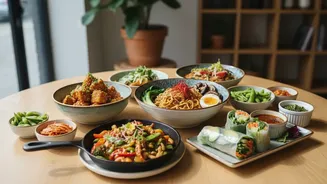
these dishes remain beloved staples, a significant shift is reshaping the dining landscape. A new generation of chefs and restaurateurs is looking past these classics to introduce a more diverse, authentic, and exciting array of vegetarian dishes from across Asia. This movement isn't just about adding a few more options to the menu; it's a complete reimagining of what vegetarian Asian food can be. It's driven by a confluence of factors: a growing wellness-consciousness among diners, increased global exposure through travel and social media, and a culinary curiosity that demands more than just the familiar. Diners are no longer content with meat dishes where the protein is simply swapped out for paneer or potato. They are seeking dishes that are vegetarian by design, celebrating vegetables, tofu, and legumes in their own right.
The Japanese and Korean Wave
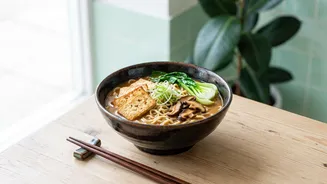
Japanese cuisine, once perceived as almost exclusively fish-based, has been a surprising frontier in this vegetarian evolution. Restaurants are now proving that the delicate and nuanced flavours of Japan extend far beyond raw fish. Menus are increasingly featuring sophisticated vegetarian sushi like Kappa Maki (cucumber rolls) and avocado rolls. Diners are discovering the joys of Yasai Tempura, a light and crispy assortment of battered vegetables, and Agedashi Tofu, which is deep-fried tofu served in a savoury dashi-based sauce. Similarly, the Korean wave, propelled by the massive popularity of K-dramas and K-pop, has brought a craving for its distinctive flavours. This has led to the rise of vegetarian and vegan versions of Korean classics. Bibimbap, a vibrant mixed rice bowl with sautéed vegetables and spicy gochujang, is becoming a one-bowl meal favourite. Even the iconic Kimchi, traditionally made with fish sauce, is now widely available in vegan versions, offering its signature tangy, fermented kick without any animal products.
Chef-Led Creativity and Innovation
This trend is not happening by accident. It is being championed by innovative chefs who are treating vegetables with newfound respect and creativity. Restaurants like the popular chain Burma Burma have demonstrated for years that an entire restaurant can thrive by focusing on the rich, vegetarian traditions of a single Asian cuisine. Newer establishments are pushing the boundaries even further. In Mumbai, Tóa 66 introduced the city's first all-vegetarian Thai tasting menu, challenging the notion that vegetarian options are an afterthought. In Bengaluru, restaurants like Kalpaney are creating playful fusion dishes like 'avial spaghetti' and 'podi mac & cheese arancini,' blending Indian flavours with global formats to create something entirely new. These chefs are deliberately moving away from the crutches of paneer and mushroom to highlight the potential of other vegetables, from jackfruit and banana blossom to turnip and bitter gourd, in exciting new preparations.
Why This Matters for Indian Diners
The rise of diverse vegetarian Asian cuisine marks a coming-of-age for the Indian food scene. For a country with one of the world's largest vegetarian populations, this expansion of choice is long overdue. It reflects a more confident and discerning diner who is open to experimentation and eager to explore global food cultures. The focus is shifting from simply 'having a vegetarian option' to demanding a high-quality, thoughtfully created vegetarian experience. This evolution is also driven by a broader wellness trend, with many diners, including non-vegetarians, actively seeking out lighter, plant-forward meals. Restaurants are responding by offering more steamed, stir-fried, and fresh preparations over traditionally deep-fried fare. This shift ensures that vegetarians are no longer relegated to the culinary sidelines but are instead at the center of some of the most exciting innovations in Indian dining.