


The Great Monsoon Watering Misconception
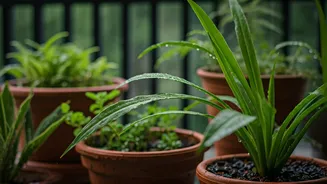
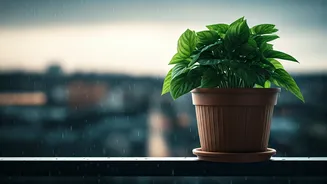
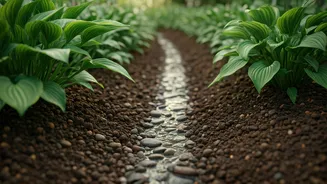
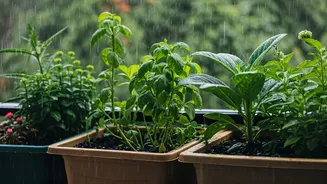
For most of India, July means monsoon. After the scorching summer, the rains feel like a blessing, but they also bring a new set of challenges: high humidity and waterlogged soil. Your summer instinct to water plants frequently can become their biggest
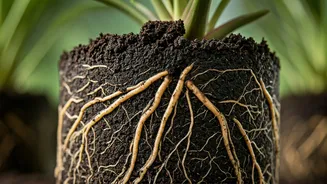
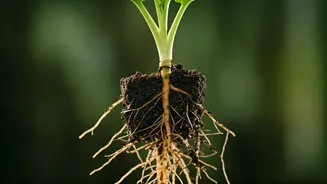
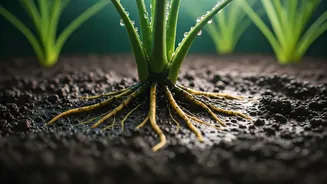
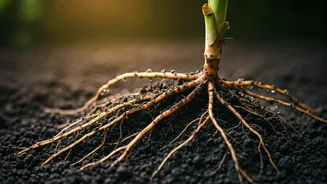
enemy. When soil is constantly saturated from both rain and your watering can, the tiny air pockets roots need to breathe disappear. This leads to suffocation and the dreaded root rot, a fungal disease that thrives in soggy, oxygen-deprived conditions and can quickly kill an otherwise healthy plant. Leaves turning yellow or drooping even when the soil is wet are classic signs that your plant's roots are in trouble.
Master the Monsoon Watering Can
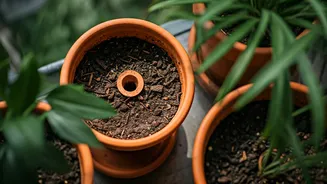
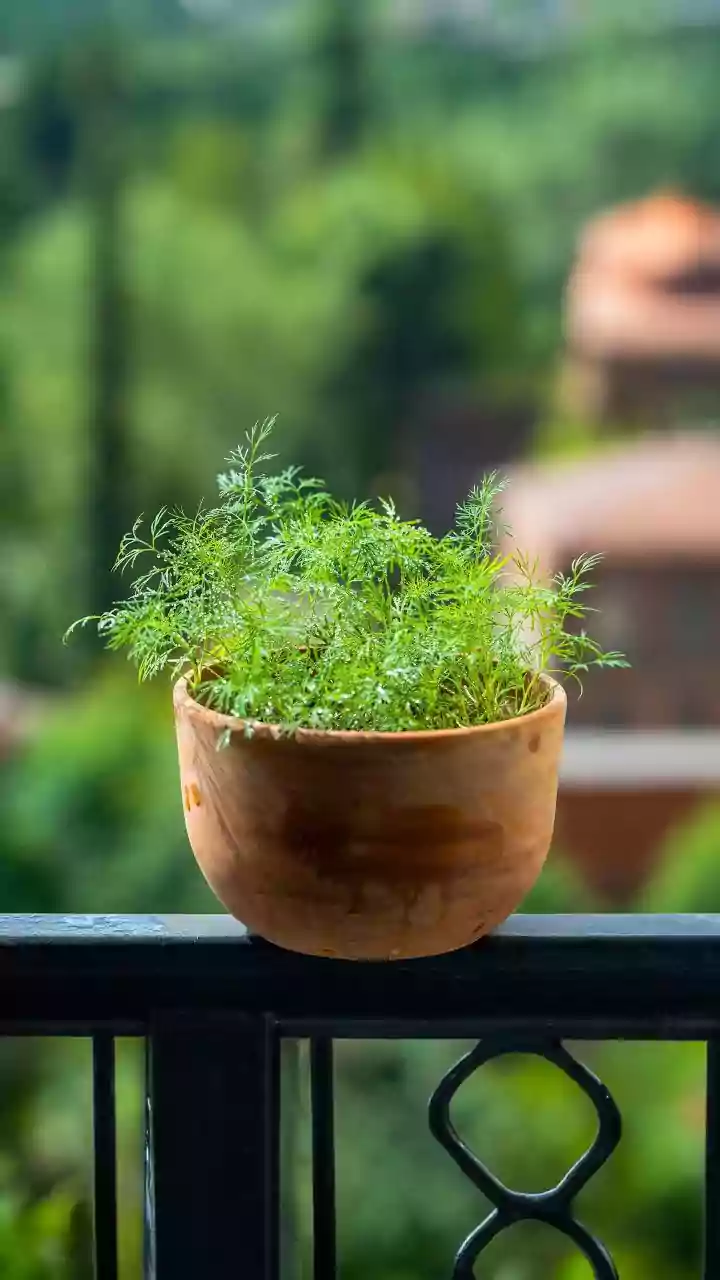
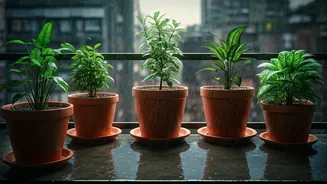
The golden rule of monsoon gardening is to break your fixed watering schedule. Nature is providing plenty of moisture, so your role shifts from provider to manager. Before you even think about watering, do the finger test: poke your finger about two inches into the soil. If it feels damp, step away. If it's dry, water at the base of the plant in the morning, which allows any excess moisture on the leaves to evaporate during the day. Pay close attention to pots. Ensure they have plenty of drainage holes and aren't sitting in saucers full of water, which is a direct invitation to root rot. Elevating pots on bricks or stands is a simple but effective way to ensure water can escape freely.
The Secret Your Garden is Craving: More Air
When the headline says your garden needs 'more air,' it's not being poetic. It refers to two critical components: air in the soil (aeration) and air around the foliage (circulation). During the monsoon, soil becomes compacted by the force of heavy rain, squeezing out those vital air pockets. At the same time, the humid, still air between dense leaves creates a perfect breeding ground for fungal diseases like powdery mildew. Improving airflow both above and below the ground is the most proactive step you can take for a healthy monsoon garden.
Helping Your Soil Breathe Again
Aerating your soil is crucial to combat compaction. For potted plants, the simplest method is to gently poke deep holes into the soil with a chopstick or a thin stick, being careful to avoid major roots. This creates channels for air to reach the root zone and for excess water to drain away. When potting plants for the monsoon, create a well-draining soil mix by adding materials like cocopeat, sand, or perlite. This makes the soil lighter and less prone to waterlogging. For garden beds, adding compost and avoiding walking on the wet soil can help maintain its structure.
Prune for Prevention and Airflow
Your pruning shears are one of your best tools during the rainy season. Dense, overgrown plants trap humidity, which is exactly what fungal diseases love. Regularly trimming your plants, especially thinning out the interior branches, improves air circulation significantly. This allows leaves to dry faster after a rain shower, drastically reducing the risk of infections. Be sure to remove any yellowing, dead, or diseased leaves and branches as soon as you spot them. This not only cleans up the plant but also prevents any potential problems from spreading. Use clean, sharp tools and try to prune during drier spells if possible.
Keep an Eye Out for Pests
The damp conditions of July are also an open invitation for pests like snails, slugs, and aphids, which thrive in the moisture. Regular inspection is your best defense. Check the undersides of leaves and around the base of plants. Good air circulation from pruning helps deter many insects that prefer still, humid conditions. Keeping the garden free of fallen leaves and debris removes potential hiding spots for these pests. For persistent issues, a simple spray of neem oil diluted in water can act as an effective and organic repellent for many common monsoon pests.