
The Tradition of Festive Feasting
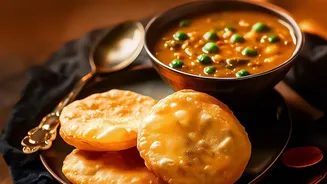
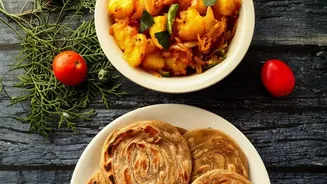
For generations, festive food in India has been synonymous with abundance. Deep-fried snacks, sugar-syrup-soaked sweets like Gulab Jamun, and rich, creamy curries are not just food; they are an expression of joy, prosperity, and cultural identity. These
dishes are prepared with love and are meant to be savoured without restraint. The philosophy has always been to indulge, celebrate, and share. This culinary heritage, passed down through generations, connects us to our roots, with each festival bringing its own unique array of flavours and specialities meant to be enjoyed with family and friends.
The Uncomfortable Aftermath
While the spirit of celebration is joyful, the physical aftermath often is not. The heavy, oily, and sugary foods, while delicious, can lead to bloating, acidity, and a general feeling of lethargy. Many people find themselves reaching for antacids almost as frequently as they reach for another serving. This cycle of feasting followed by discomfort has become a familiar, albeit unwelcome, part of the festive experience. It often leaves people feeling sluggish and regretting their indulgence, taking away from the sustained joy of the occasion.
A New Focus on Digestive Wellness
There is a significant shift occurring. More people are now looking at their festive plates through a new lens, one that prioritises not just taste but also digestive comfort and overall well-being. This isn't about dieting or deprivation; it's about making informed, mindful choices. The growing awareness around gut health is a major driver. People now understand that a healthy gut is crucial for overall immunity and energy. This has led to a proactive approach to festive eating, focusing on enjoying the celebrations without the unpleasant side effects.
Smart Swaps Without Sacrificing Soul
The key to this new approach is not rejection but adaptation. As chef Sanjeev Kapoor suggests, the goal is to keep the soul of the dish intact while making healthier tweaks. This can be as simple as baking or air-frying snacks like gujiya instead of deep-frying them. Another popular swap is replacing refined sugar with jaggery or dates in sweets. Using whole grains or millets to make laddoos adds fibre, making them more gut-friendly. These small changes allow traditional recipes to be enjoyed in a lighter, more digestible format, ensuring that flavour and tradition are preserved.
Mindful Methods for Festive Meals
Beyond just ingredients, how one eats is also gaining importance. The practice of mindful eating—eating slowly, chewing food thoroughly, and paying attention to hunger cues—can prevent overeating. Portion control is another powerful tool; using a smaller plate and filling it with a variety of dishes in smaller quantities allows you to sample everything without feeling stuffed. Staying well-hydrated with water or herbal teas like ginger and fennel tea can also significantly aid digestion and prevent the dehydration that often accompanies the consumption of rich foods.
Harnessing Traditional Wisdom
Interestingly, this new trend is also leading people back to ancient wisdom embedded in Indian cuisine. Many are rediscovering the digestive benefits of traditional ingredients. Incorporating probiotics like curd (dahi) and buttermilk (chaas) into festive meals helps maintain gut balance. Spices like ginger, cumin (jeera), and ajwain (carom seeds), which are staples in Indian cooking, are known to aid digestion and reduce bloating. By consciously including these elements, a festive meal can be both indulgent and supportive of digestive health.