





The familiar scent of chai and samosas is a core part of the Indian Railways experience. But so are concerns about quality and hygiene. Now, the Railways is rolling out stricter food safety benchmarks. Here’s what’s changing for millions of passengers.
A New Recipe For Rail Dining
Indian Railways is embarking on a significant overhaul of its catering services, a move prompted by persistent passenger complaints about food quality and hygiene. In a major initiative this October, the Indian Railway Catering and Tourism Corporation (IRCTC) signed a strategic Memorandum of Understanding (MoU) with the Quality Council of India (QCI). This partnership establishes a new, independent third-party audit system to ensure that the food served on trains and at stations meets stringent safety and quality standards. The decision follows years of feedback from travellers and acknowledges that ensuring safe and hygienic meals is a top priority. Over the last three years alone, Indian Railways has imposed fines amounting to ₹5.13 crore on catering contractors for various violations, a clear signal of the ongoing challenges in maintaining standards across its vast network.
The Key Ingredients: What's Changing?
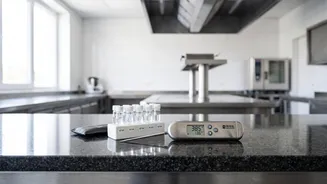
The collaboration with QCI introduces several key changes designed to improve transparency and accountability. Certified professionals from QCI will conduct intense, unannounced inspections of catering facilities, including base kitchens, platform stalls, and pantry cars. These audits will occur quarterly and half-yearly, enforcing strict compliance with the Food Safety and Standards Authority of India (FSSAI) regulations. To prevent data tampering, the entire audit process will be technology-driven. Inspectors will use a mobile application to log their findings with mandatory geo-tagging, time-stamps, and photographic evidence. Furthermore, audit reports must be submitted within 24 hours, enabling railway authorities to identify operational shortcomings promptly and track action taken against vendors who fail to meet the new benchmarks. This marks a shift from internal checks to a more rigorous, independent verification system.
From Samosas to Staples: What Can Be Sold
The new guidelines also bring clarity to what vendors can sell, especially at the increasingly common grocery kiosks at stations. As part of a 'Special Cleanliness Campaign', Central Railway has standardised the list of items. While freshly cooked food, tea, and coffee are prohibited at these specific kiosks, a wide range of packaged goods is now officially permitted. Passengers can expect to find essentials like rice, flour, pulses, and spices, alongside branded packaged snacks, juices, and ready-to-eat meals. The list also includes dairy and bakery products, frozen items like ready-to-cook parathas, personal hygiene products, and even baby care items and pet food. This standardisation aims to provide travellers with reliable access to essential commodities at reasonable rates, all while ensuring vendors comply with FSSAI rules.
Technology Keeping an Eye on the Kitchen
Beyond manual audits, technology is playing a greater role in day-to-day monitoring. In some zones, like the East Central Railway, AI-enabled CCTV cameras are being installed in pantry cars and base kitchens to monitor food preparation and handling around the clock. This allows for real-time supervision, helping officials spot hygiene lapses remotely and take immediate corrective action. Other initiatives include the introduction of QR codes on food packets, which display details like the kitchen name and packaging date, allowing passengers to verify freshness themselves. Furthermore, all authorised catering staff are now required to carry QR code-enabled ID cards, which help railway officials and passengers easily verify their credentials and curb the persistent issue of unauthorised vending.
How Passengers Can Make Their Voice Heard
While these top-down changes are significant, passenger feedback remains a crucial tool for accountability. Indian Railways has streamlined the process for lodging complaints. Passengers who encounter unsatisfactory food quality or service can use the RailMadad mobile application or its dedicated helpline to register a complaint instantly. When filing a report, it is helpful to provide key details such as the PNR number, coach number, and, if possible, photographic evidence of the issue. These complaints are investigated, and as past actions show, can lead to significant penalties for non-compliant vendors, including fines, suspension of operations, or even termination of their contracts. This system empowers passengers to act as frontline auditors, ensuring that the new quality benchmarks are not just on paper but are consistently followed on the ground.