

The Meaning of Bijoya
Bijoya, which translates to 'victory', celebrates Goddess Durga's triumph over the demon Mahishasur. But for Bengalis, it carries a more intimate meaning. It is also a bittersweet farewell to the Goddess, who is seen as a daughter returning to her parental
home for the Puja and must now go back to her husband's abode. This period, stretching from the day after Dashami until Kali Puja or Diwali, is marked by 'Bijoya Sammilani'—reunions where friends and family visit each other's homes to exchange greetings. The younger generation seeks blessings from elders by touching their feet, and peers embrace in a customary hug known as 'kolakuli'. At the heart of these visits is a culinary tradition that embodies warmth and hospitality.
A Sweet Beginning Is a Must
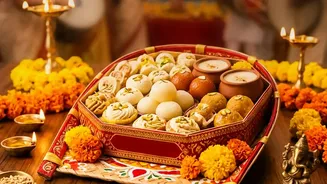
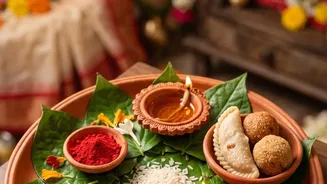
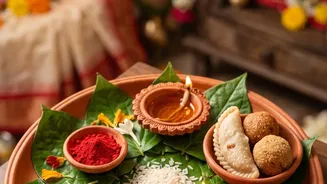
No Bijoya greeting is complete without 'mishti mukh' (sweetening the mouth). It is considered inauspicious for a guest to leave without being offered something sweet. While stores are filled with elaborate Sandesh and Roshogollas, the soul of Bijoya lies in homemade sweets, prepared with love and care. The undisputed star is the Narkel Naru, a simple yet deeply nostalgic coconut laddoo. Made from freshly grated coconut and either sugar (chinir naru) or date palm jaggery (gurer naru), these sweets are a staple in every household. The process of making them—from grating the coconut to rolling the warm mixture into perfect spheres—is often a beloved family activity. Other homemade sweets like Malpua might also make an appearance, filling the home with a festive aroma.
The Savoury Side of the Celebration
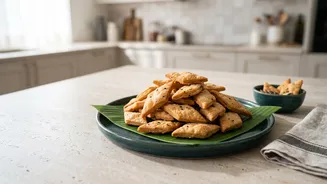
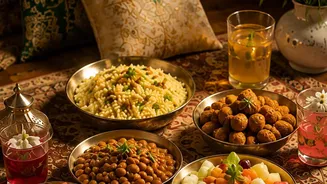
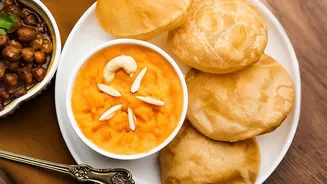
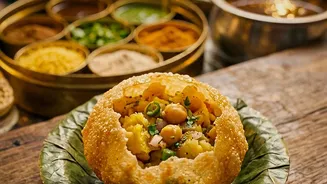
While sweets are central, the Bijoya platter is all about balance. To complement the 'mishti', a delightful spread of savoury snacks, or 'nonta', is served. A classic combination that graces almost every Bengali home is Ghugni and Nimki. Ghugni is a hearty curry made from dried yellow peas, slow-cooked with spices and sometimes garnished with onions and chillies. It is often served alongside Nimki, a crispy, flaky, and savoury fried pastry, similar to north Indian 'namak pare'. These can be triangular or diamond-shaped and are perfectly seasoned with salt, nigella seeds, and carom seeds. Making these snacks at home is a ritual in itself, expressing the host's love and the simple joy of celebrating together.
The Spirit of Open-Door Hospitality
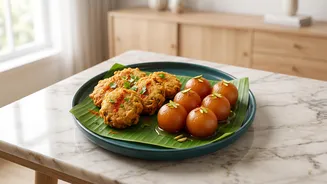
The tradition of Bijoya is built on effortless hospitality. It’s a time of open doors, where guests often drop in without much prior planning, and hosts are always prepared with a stocked pantry. The conversations flow, bonds are renewed, and food acts as the perfect catalyst for connection. A typical Bijoya spread is a humble yet delicious affair, often served with tea. It might include a few types of Naru, a serving of Ghugni, a handful of crunchy Nimki, and perhaps another fried snack like Jibe Goja, a pastry dipped in sugar syrup. It’s not about grand, elaborate meals but about sharing simple, heartfelt preparations. This tradition reinforces community ties and keeps the festive warmth alive long after the main Puja days have passed.