




Plan Your Pathways First
Before moving a single piece of furniture, map out your primary pathways. Think about your daily routine: the walk from the door to your bed, from your bed to the closet, and to the window. These routes should remain as clear as possible. A common mistake
is placing furniture in a way that obstructs these natural traffic flows, leading to a room that feels awkward and difficult to navigate. A good rule of thumb is to allow for at least 32 to 36 inches of clearance for main walkways to ensure you can move around comfortably. Place your largest piece of furniture, the bed, first. Pushing it against a wall can free up significant floor space compared to centering it. From there, arrange other items, always keeping your essential pathways clear.
Embrace Vertical Space
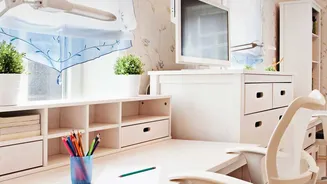
When floor space is limited, the only way to go is up. Utilizing vertical space is a cornerstone of small-room design. Instead of wide, short dressers that eat up valuable square footage, opt for tall, narrow chests of drawers. Floating shelves installed above a desk or bed can hold books, decor, and small baskets without occupying the floor. Wall-mounted nightstands create an illusion of spaciousness by keeping the floor clear, making the room feel more open. Even your closet can be optimized vertically; adding a second rod doubles your hanging space instantly. The goal is to draw the eye upward and use the full height of the room, turning neglected wall space into powerful storage.
Choose Furniture That Multitasks
In a compact room, every piece of furniture should earn its keep. Multi-functional furniture is essential for maximizing utility in tight quarters, a trend becoming increasingly necessary in modern Indian homes. A bed with built-in hydraulic storage provides a massive, hidden space for seasonal clothing, extra bedding, and blankets, reducing the need for a separate bulky cabinet. An ottoman at the end of the bed can offer seating and a place to store shoes or bags. A slim desk can easily double as a vanity table. These dual-purpose items are key to maintaining an uncluttered environment because they reduce the total number of pieces you need, creating a more streamlined and functional space.
Design an Accessible Bedside Zone
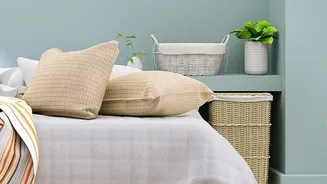
The area right next to your bed is prime real estate. This is where you need your most frequently used items, like your phone, a glass of water, medication, or a book. To keep this zone accessible, ensure your nightstand is the same height as your mattress. This makes reaching for items more comfortable, whether you are sitting up or lying down. If there's no room for a traditional nightstand, consider alternatives. A small floating shelf, a storage headboard, or a wall-mounted pocket organizer can serve the same purpose without taking up floor space. The key is to keep this surface dedicated to only the essentials, preventing it from becoming a magnet for clutter.
Rethink Your Wardrobe and Storage
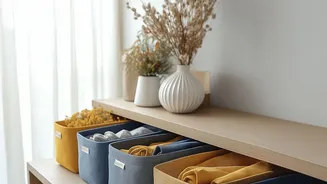
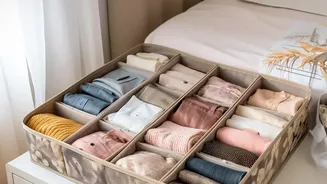
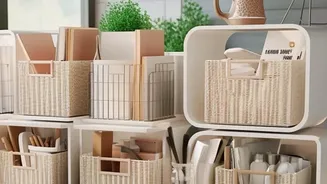
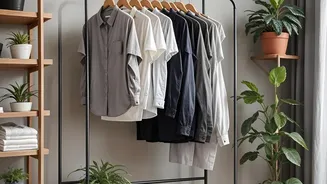
Getting dressed shouldn't involve an obstacle course. Make your clothing more accessible by rethinking how you store it. For closets, consider pull-down rods that bring higher-hanging items down to a reachable level. If your closet is small or non-existent, a freestanding clothing rail can hold your outfits for the week, saving you from digging through drawers every morning. Inside drawers, use dividers to keep smaller items like socks and accessories organized and visible. For less-frequently used items, such as seasonal wear, use clearly labelled bins stored on a high shelf in the closet or under the bed. This system ensures that the items you need every day are the easiest to access.