


What Exactly Is the Perseid Meteor Shower?
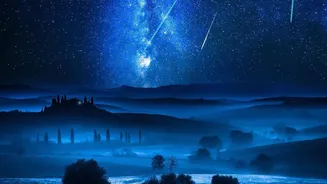
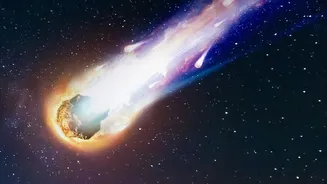
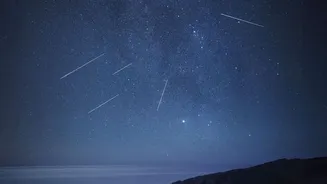
The Perseid meteor shower is an annual event that occurs when the Earth passes through the trail of dusty debris left behind by a comet named Swift-Tuttle. As these tiny particles, many no bigger than a grain of sand, enter our atmosphere at incredibly
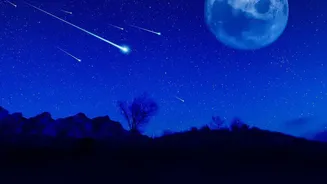
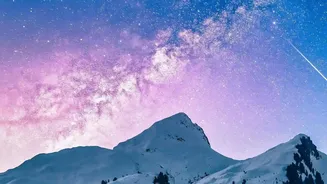
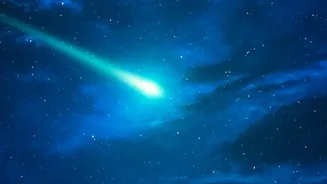
high speeds—around 59 kilometres per second—they burn up, creating the brilliant streaks of light we call meteors or 'shooting stars'. The Perseids are known for being one of the most reliable and brightest showers of the year, often featuring colourful meteors and persistent trails that linger for a moment after the flash.
Mark Your Calendar: The Best Time to Watch in 2026
The Perseids are active from mid-July to late August, but the best time to watch is during the peak. For 2026, the peak activity will occur on the night of August 12 and into the pre-dawn hours of August 13. The ideal viewing window for observers in India is between 2:00 AM and 4:30 AM IST on August 13. During these hours, the shower's radiant point—the spot in the sky where the meteors appear to originate, in the constellation Perseus—will be high in the northeastern sky, increasing the number of visible meteors. Happily, the peak coincides with a New Moon, meaning the sky will be exceptionally dark without any moonlight to wash out the fainter streaks.
Location, Location, Location: Escaping the City Lights
The single most important factor for a successful meteor shower viewing is getting away from light pollution. The glow from cities and towns can make all but the brightest meteors invisible. For the best experience, find a location with a dark, unobstructed view of the sky, far from streetlights and buildings. While high-altitude, remote locations like Ladakh's Hanle Dark Sky Reserve or areas in Spiti Valley are considered world-class for stargazing, you don't need to travel that far. Any rural area, a quiet park on the outskirts of your town, or even a rooftop with a clear view away from direct lighting can work. The key is to find the darkest spot you can safely access.
A Simple Guide to Watching the Show
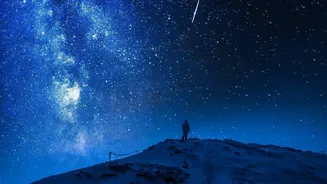
You don't need any special equipment like a telescope or binoculars to enjoy the Perseids; in fact, your naked eyes are the best tool for the job since meteors can appear anywhere in the sky. Find your dark spot and give your eyes at least 20 to 30 minutes to fully adapt to the darkness. During this time, avoid looking at your bright phone screen. Lie back on a blanket or a reclining chair and look generally up, focusing on a wide patch of sky. While the meteors will appear to originate from the northeast, they will streak across the entire celestial canvas. Patience is crucial; meteors often come in spurts with lulls in between.
What to Pack for a Night Under the Stars
Even in August, nights can get chilly, especially in open areas. Pack warm clothing, including sweaters or a light jacket. A comfortable blanket or a folding chair will make your viewing experience much more enjoyable. Bring along some snacks and a thermos of a warm beverage to stay energised. While you should avoid bright white lights, a torch with a red light filter is an excellent tool for finding your way around without ruining your night vision. Finally, consider downloading a stargazing app on your phone beforehand to help you identify constellations, but remember to keep the screen dim or in red-light mode.
Managing Expectations and Dealing with the Monsoon
Under ideal, perfectly dark skies, the Perseids can produce up to 100 meteors per hour. However, the number you will actually see depends on your location's light pollution and sky clarity. The biggest challenge for many in India during August is the monsoon. Cloudy skies will unfortunately obscure the show. Before you head out, check the local weather forecast for clear sky predictions. Don't be discouraged if you don't see a constant stream of meteors. Seeing a dozen or more bright, fleeting streaks over an hour is a fantastic and memorable experience in itself. The thrill lies in the patient anticipation and the sudden, beautiful reward.