





Choose a Water-Resistant Bag
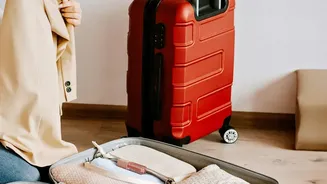
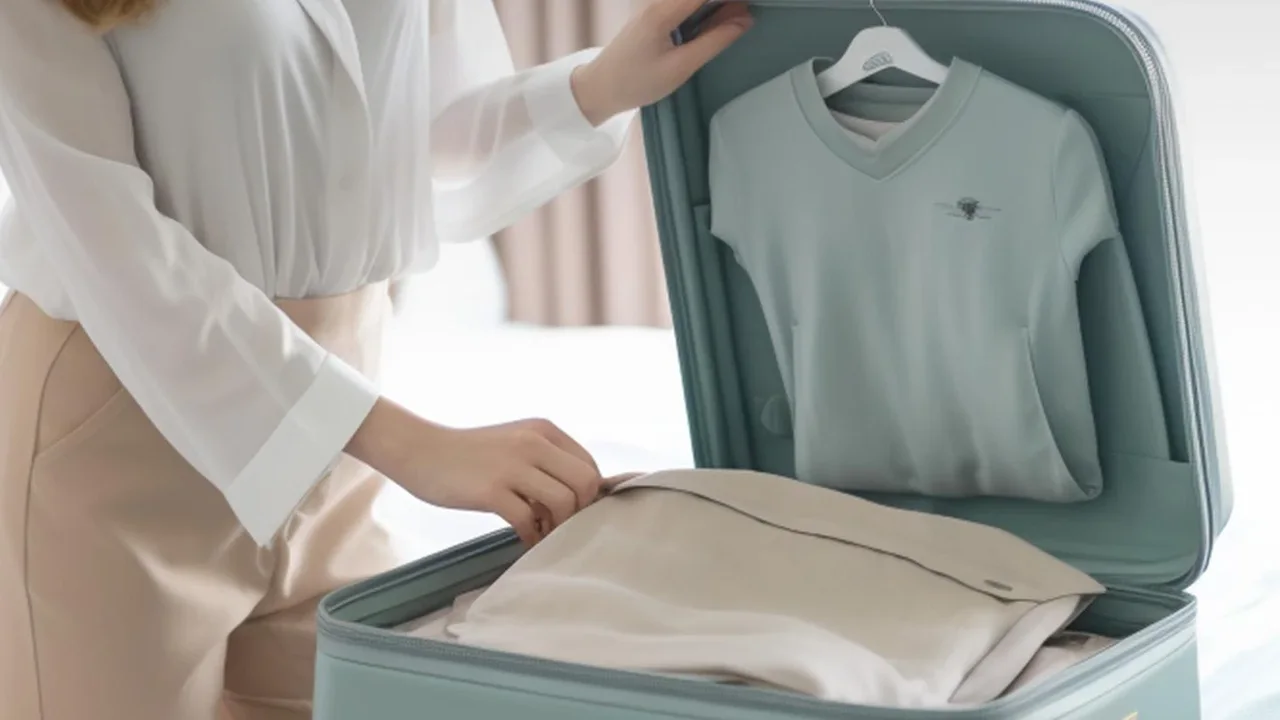
Your first line of defence is your bag itself. While no fabric bag is completely waterproof, hard-shell polycarbonate luggage is naturally water-resistant, causing rain to roll off instead of soaking in. If you prefer a soft-sided bag, look for one made
of nylon or polyester with a durable water repellent (DWR) coating. For an extra layer of security, especially during downpours when your bag might be exposed on tarmacs or in auto-rickshaws, a simple, foldable rain cover is an invaluable and space-saving addition. It provides an effective shield against sudden showers.
Embrace Strategic Compartmentalisation
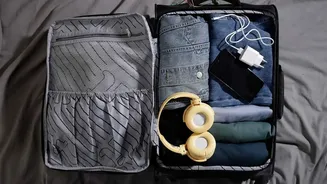
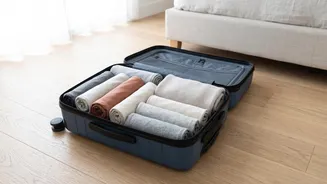
Don’t just pack—compartmentalise. Use waterproof packing cubes or stuff sacks to group items. This not only keeps your bag organised but also adds another barrier against moisture. If one part of your bag gets damp, the rest of your clothes remain protected. Go one step further by adopting a double-bagging strategy for your most sensitive items. Place electronics, chargers, and documents in individual zip-lock pouches first, then group those pouches inside a larger dry bag for ultimate protection.
Harness the Power of Silica Gel
Those small white packets you find in new shoe boxes are travel gold. Silica gel packets are desiccants, designed to absorb moisture from the air. The high humidity of the monsoon season can make clothes feel damp even if they never see a drop of rain. Tossing a few of these packets into your main luggage, electronics bag, and shoe compartments will combat this ambient humidity, preventing musty smells and protecting your gear. They are a lightweight, zero-cost way to keep the contents of your bag fresh.
Isolate Wet and Dirty Items Immediately
One of the quickest ways to ruin a suitcase full of clean clothes is by mixing them with a wet umbrella or muddy shoes. Designate a specific reusable, waterproof bag as your 'isolation zone'. As soon as an item is wet or soiled, place it directly into this bag. This simple habit prevents moisture and dirt from spreading, ensuring the rest of your belongings stay pristine. It’s also wise to pack one complete, dry outfit in its own sealed bag at the top of your carry-on for easy access in case you get caught in a downpour upon arrival.
Select Your Fabrics Wisely
When it comes to monsoon travel, not all fabrics are created equal. Heavy materials like cotton and denim can take days to dry in high humidity, leading to discomfort and mildew. Instead, prioritise lightweight, synthetic fabrics like polyester and nylon. These materials are known as 'quick-dry' because they don’t absorb much water and allow moisture to evaporate quickly, often drying within a few hours inside a ventilated hotel room. A quick-dry microfibre towel is another essential; it's highly absorbent but dries much faster than a standard cotton towel.
Rethink Your Footwear Choices
Footwear can be one of the biggest challenges during the rainy season. Materials like canvas and suede act like sponges, becoming heavy and uncomfortable when wet and taking ages to dry. Opt for shoes made from rubber or other water-resistant synthetic materials. Floaters, rubber sandals with a good grip, and Crocs-style slip-ons are excellent choices because they don't absorb water, are easy to clean, and dry rapidly. They provide better grip on slippery surfaces, making walks through wet streets safer and more comfortable.