
The Allure of the Ancestral Diet
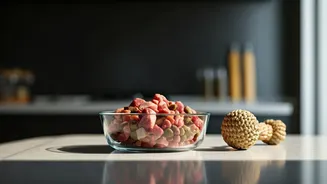
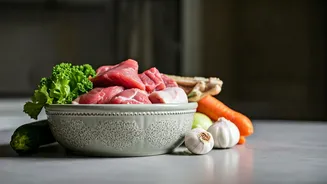
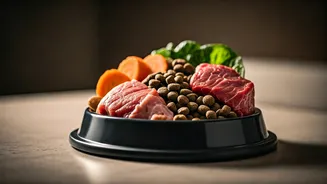
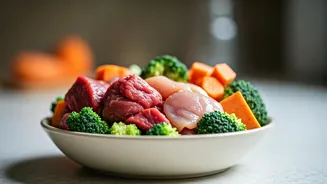
The core philosophy behind the raw food movement is the idea that modern pets should eat a diet similar to that of their wild ancestors. Proponents argue that dogs and cats evolved to eat raw prey, and their digestive systems are still optimized for uncooked
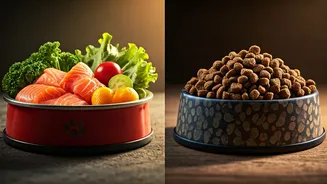
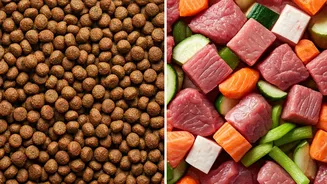
meat, bones, and organs. This 'back to basics' approach appeals to owners who are skeptical of processed commercial pet foods, which they worry contain unnecessary fillers, grains, and preservatives. For these pet parents, feeding raw is about providing a more 'natural' and biologically appropriate meal, with ingredients they can recognize.
The Health Benefits Pet Parents Report
Those who make the switch often report seeing significant, positive changes in their pets' health. The most frequently cited anecdotal benefits include a shinier coat, healthier skin, cleaner teeth, and improved energy levels. Many owners also notice better digestion, resulting in smaller, less odorous stools. For some pets suffering from specific issues like food allergies or sensitive stomachs, a raw diet has appeared to provide relief where other foods failed. These powerful personal testimonials are a major driver of the diet's popularity, often spreading through word-of-mouth and social media.
A Serious Warning from Veterinarians
Despite the glowing reviews from many owners, the mainstream veterinary community and public health organizations like the FDA and American Veterinary Medical Association (AVMA) consistently advise against feeding raw pet food. Their primary concern is the significant risk of bacterial contamination. Raw meat can carry harmful pathogens like Salmonella, Listeria, and E. coli, which can sicken pets. Even if a pet doesn't show symptoms, it can become a carrier, shedding bacteria in its saliva and feces, posing a health risk to humans in the household, especially children, the elderly, or those with compromised immune systems.
The Challenge of Nutritional Balance
Beyond the bacterial risks, veterinarians also raise serious concerns about nutritional adequacy. Creating a homemade diet that is truly complete and balanced is incredibly difficult without expert knowledge. Studies have found that many homemade and even some commercial raw diets have nutritional imbalances, such as improper calcium-to-phosphorus ratios or deficiencies in essential vitamins and minerals. These deficiencies can lead to serious health problems over time, including stunted growth in puppies and kittens or metabolic bone disease. While some commercial raw foods are formulated to be nutritionally complete, the industry is not as tightly regulated as conventional pet food manufacturing.
Making an Informed, Safe Decision
The raw food debate is complex, pitting the desire for a natural diet against scientifically documented risks. For owners considering the switch, the key is to proceed with caution and information. Rather than relying on anecdotal evidence alone, the first step should always be a conversation with a veterinarian or a board-certified veterinary nutritionist. They can help assess if a diet change is appropriate for a specific pet's age, health status, and lifestyle. If a raw diet is pursued, opting for a commercially prepared, complete-and-balanced formula that uses a process like high-pressure pasteurization to reduce pathogens can be a safer alternative to homemade recipes. Strict hygiene, including washing hands, bowls, and surfaces thoroughly, is non-negotiable to minimize the risk of cross-contamination.