





Embrace Strategic Ventilation
It might seem counterintuitive to open windows in the cold, but it's one of the most effective ways to improve air quality. Our homes trap pollutants from cooking, cleaning products, and even outdoor smog that seeps in. Sealing your home completely means
these pollutants have nowhere to go. Aim to open windows for just 15-20 minutes a day, perhaps during the sunniest, warmest part of the afternoon, to create cross-ventilation. This simple act flushes out stale, polluted air and brings in fresh air, diluting the concentration of harmful particles and gases inside.
Deep Clean Your Space
Winter is when dust, pet dander, and other allergens accumulate. Since we spend more time indoors, a rigorous cleaning schedule is vital. Vacuum carpets and rugs frequently, preferably with a vacuum that has a HEPA filter to trap the finest particles. Don't just dust surfaces; use a damp cloth to wipe them down. This prevents dust from becoming airborne again. Regularly wash bedding, curtains, and other textiles where dust mites and pollutants love to hide. A clean home is the first line of defence against common indoor allergens.
Mind Your Indoor Pollutants
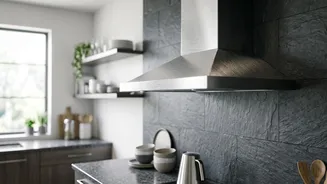
Many sources of indoor pollution are part of our daily routines, especially in Indian households. The smoke from incense sticks (agarbatti), dhoop, and mosquito coils can release significant amounts of particulate matter (PM2.5) and volatile organic compounds (VOCs). Similarly, cooking activities, particularly frying and tadka, produce fumes and particles that can spread throughout the house. Be mindful of these sources. Use them sparingly, ensure adequate ventilation by using an exhaust fan, or open a window when performing these activities. Also, opt for low-VOC paints and cleaning products whenever possible.
Manage Indoor Humidity
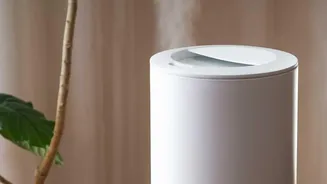
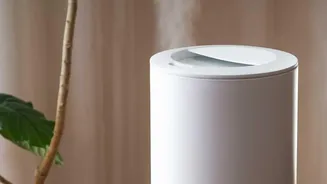
The ideal humidity level for a home is between 40% and 60%. Too much humidity can encourage the growth of mould and mildew, which release harmful spores into the air. Too little humidity can cause dry skin, irritated eyes, and respiratory discomfort. Use exhaust fans in bathrooms after a shower and in the kitchen while cooking to vent moisture outside. If your home feels persistently damp, a dehumidifier can be a worthwhile investment to maintain a healthy balance.
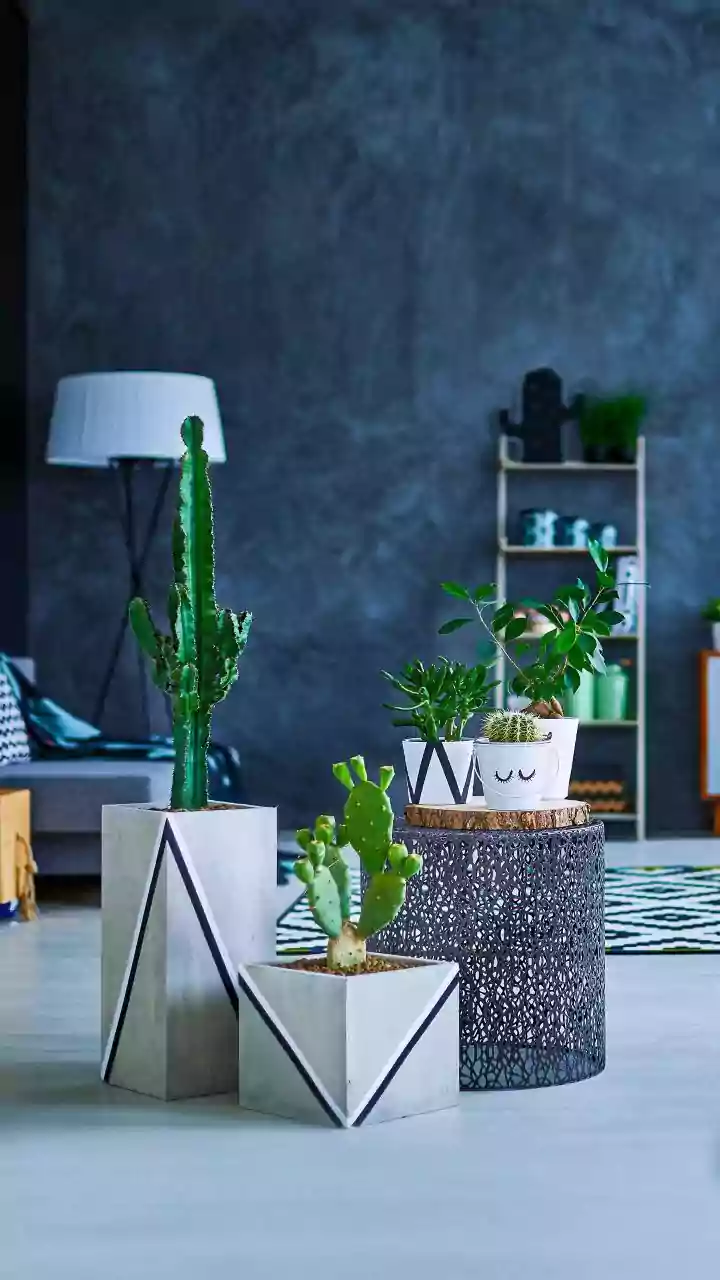
The Truth About Houseplants
For decades, it was believed that houseplants were natural air purifiers. While they certainly add beauty and a sense of well-being, their ability to clean the air is often overstated. Research has shown that you would need a huge number of plants—as many as 10 to 1,000 per square meter—to significantly impact indoor air quality in a typical home or office. While plants like the snake plant and spider plant can remove some toxins in a sealed lab setting, natural ventilation is far more effective in a real-world environment. So, enjoy your plants for their aesthetic value, but don't rely on them as your primary air-cleaning solution.
Consider an Air Purifier
If you live in a city with high levels of outdoor pollution, sealing your home perfectly is impossible. Pollutants will find their way in. In such cases, an air purifier can be a very effective tool. Look for models equipped with HEPA (High-Efficiency Particulate Air) filters, which are designed to capture 99.97% of airborne particles like dust, pollen, and the dangerous PM2.5 particles common in Indian cities. When choosing a purifier, make sure it is appropriately sized for your room to ensure it can clean the air efficiently.