

Understanding the Temperature ‘Danger Zone’
The core principle of cooling leftovers safely revolves around one crucial concept: the temperature “danger zone.” Food safety agencies define this as the range between 4°C and 60°C (40°F to 140°F). In this zone, harmful bacteria like Salmonella and E.
coli can multiply rapidly, sometimes doubling their numbers in as little as 20 minutes. The longer your food stays in this zone, the higher the risk of it becoming unsafe to eat. The goal is to move food through this temperature range as quickly as possible. Perishable foods should not be left at room temperature for more than two hours. If the ambient temperature is high, such as over 32°C (90°F), this window shrinks to just one hour.
The Problem with Large, Deep Pots
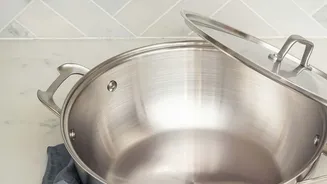
A large, deep pot of hot food is its own worst enemy when it comes to cooling. The food in the center of the pot is insulated by the food surrounding it, creating a hot core that can take a very long time to cool down. Even when placed in a cold refrigerator, the contents can remain in the bacterial danger zone for many hours, providing the perfect environment for pathogens to flourish. Furthermore, placing a large, hot mass into your fridge can raise the appliance's internal temperature. This not only makes the refrigerator work harder, using more energy, but it can also warm up surrounding foods, potentially putting them at risk as well.
The Solution: Divide and Conquer
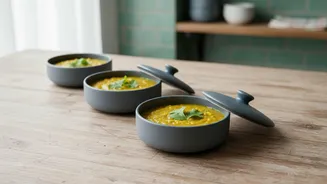
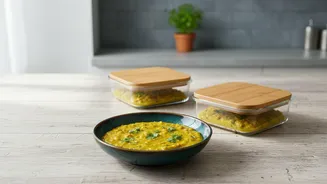
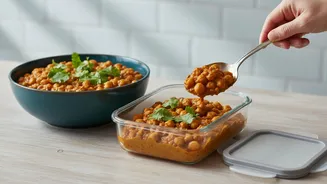
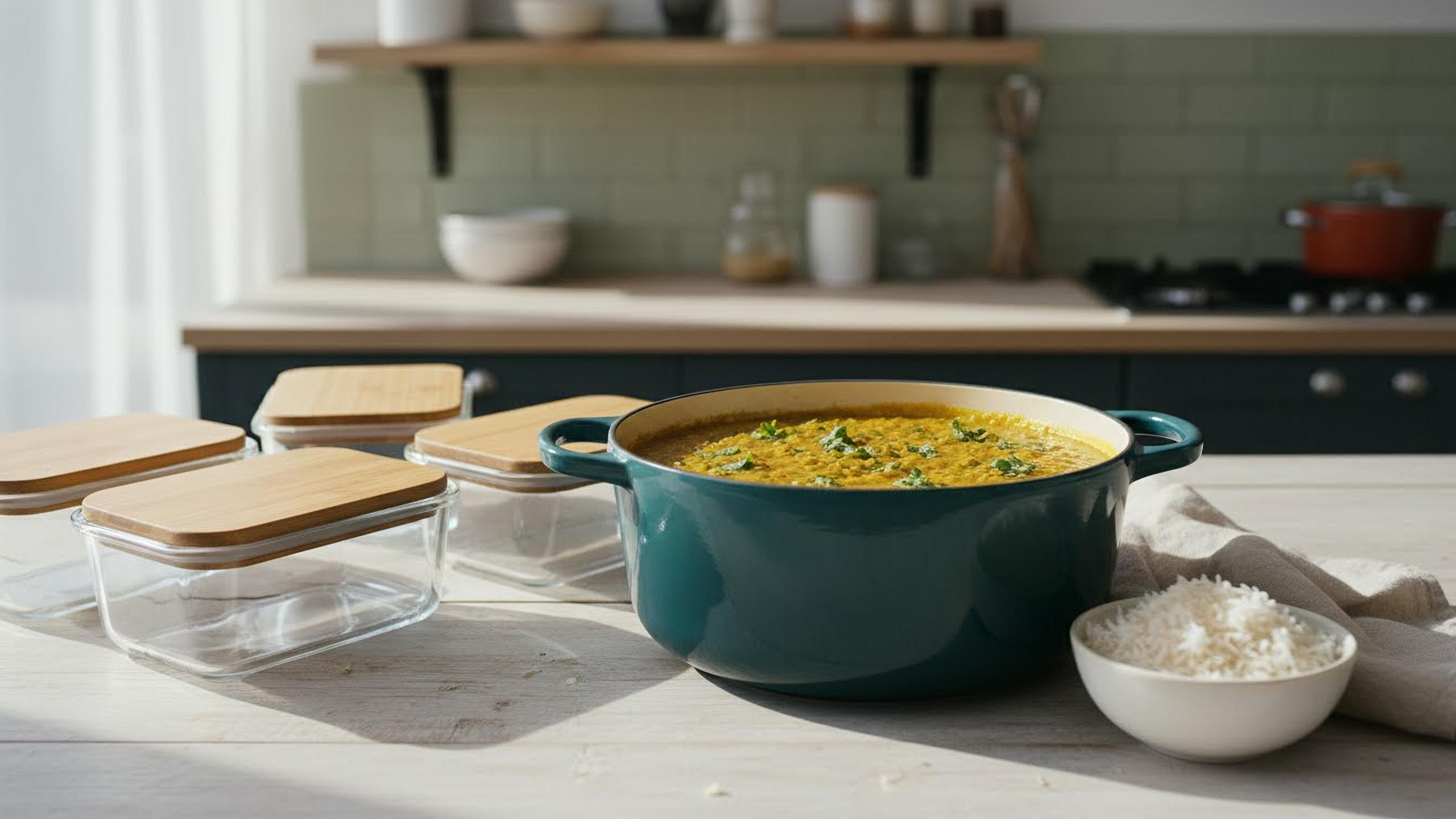
The safest and most effective way to cool a large batch of leftovers is to divide it into smaller, shallower portions. By transferring the food from one large pot into several small, shallow containers, you dramatically increase the surface area relative to the volume. This allows heat to escape much more quickly and the food to pass through the danger zone in a fraction of the time. Food safety experts recommend that the depth of the food in these containers should be no more than two inches. This simple step is one of the most critical for preventing foodborne illness from improperly cooled foods.
To Cover or Not to Cover?
The headline mentions covered containers, and this is a point of frequent confusion. While covering food in the fridge is essential for long-term storage to prevent contamination and drying out, covering a container of still-hot food can be counterproductive. A tight lid traps steam and heat, slowing down the cooling process. It also creates condensation, which can drip back into the food and alter its texture. The best practice is to let the food cool slightly at room temperature for a short period (20-30 minutes), then place it in the fridge either uncovered or loosely covered to allow heat to escape. Once the food is fully chilled to 4°C (40°F), you can then secure the lids tightly.
Rapid Cooling Best Practices
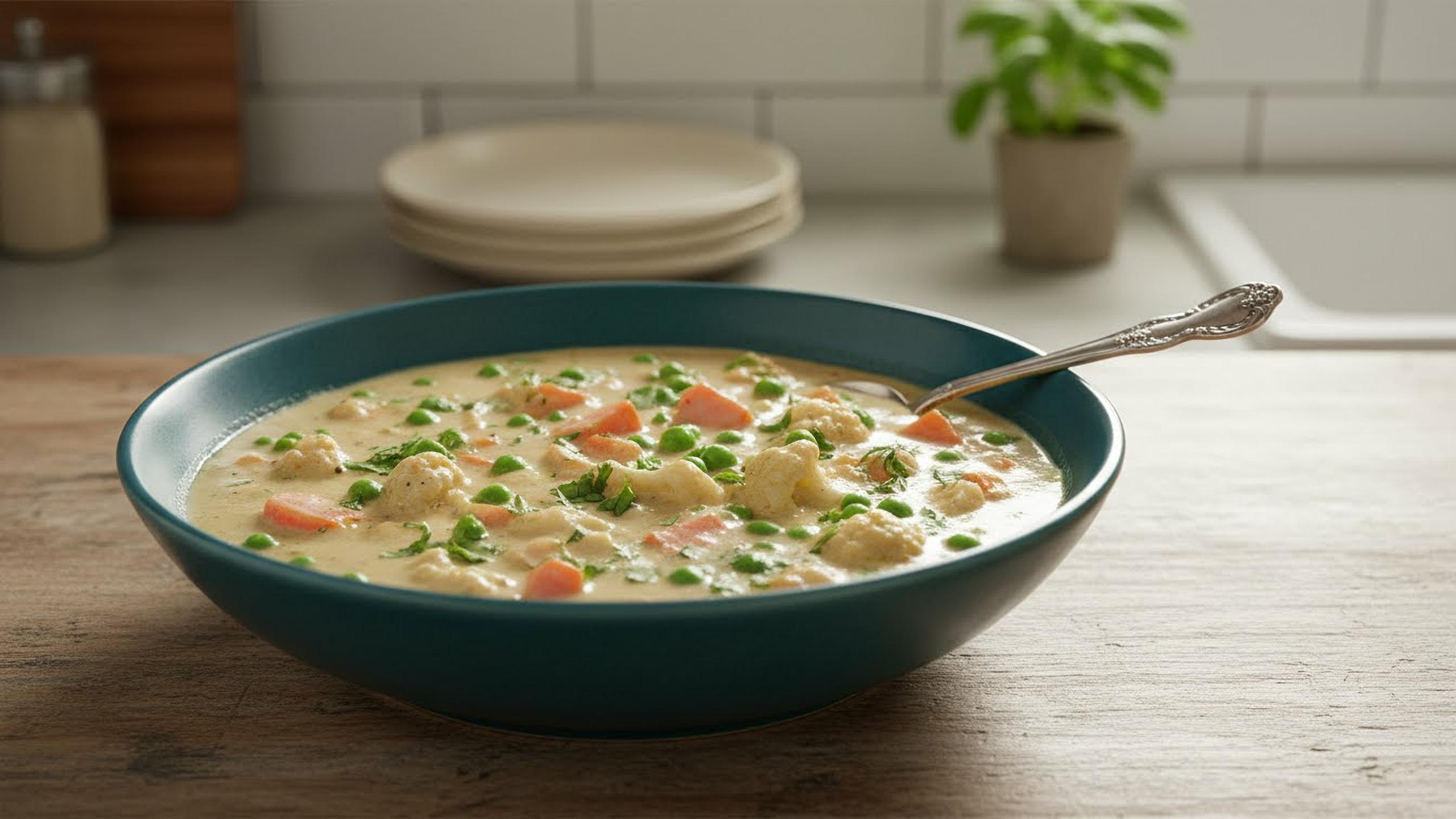
In addition to using shallow containers, there are other methods you can employ to speed up the cooling process. For liquid foods like soups and stews, an ice bath is highly effective. Simply place your smaller container into a larger bowl or clean sink filled with ice and a little water, then stir the food to help release heat. You can also use metal containers, like stainless steel, which transfer heat more effectively than glass or plastic. For large roasts or whole poultry, it’s best to carve them into smaller pieces before refrigerating. Following the two-stage cooling method used in professional kitchens ensures safety: cool food from 60°C to 20°C (140°F to 70°F) within two hours, and then from 20°C down to 4°C (70°F to 40°F) within the next four hours.