


The End of the Endless 'Shelfie'
Remember the ‘shelfie’? It was the maximalist art of cramming every possible inch of a bookcase with a vibrant, eye-catching collection of books (spines turned artfully outwards), quirky objects, and trailing plants. For a time, more was more. This trend,
a cousin of ‘cluttercore’, was driven by a desire to create a visually rich and personality-packed backdrop, often with social media in mind. The goal was a display that looked busy, lived-in, and full of interesting things. While fun and expressive, this approach often led to shelves that felt visually noisy and overwhelming, a jumble of items competing for attention rather than creating a harmonious whole. The constant pressure to acquire and arrange could turn our homes into sets rather than sanctuaries.
The New Mood: Calm, Curated, and Balanced
Now, the pendulum is swinging back. The reversal isn’t about embracing stark, cold minimalism, but about rediscovering the power of visual balance. Think of it as creating a composition rather than just filling a space. This new approach, sometimes called ‘bookshelf wealth’, prioritises items that tell a personal story—well-loved books, travel mementos, family heirlooms—over a collection of trendy, impersonal objects. The goal is a display that feels authentic, calming, and collected over time. Studies in neuroaesthetics even suggest that our brains respond positively to this kind of order, finding that visually balanced environments can lower stress and reduce cognitive load. A well-balanced shelf doesn't just look good; it feels good.
Embrace the Power of Negative Space
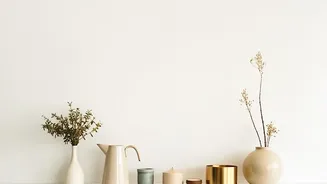
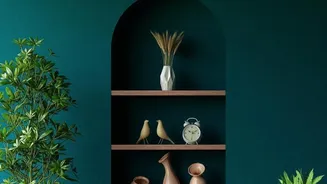
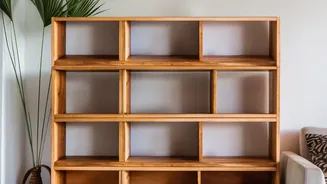
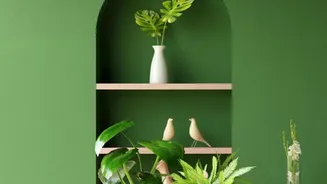
One of the biggest shifts is learning to love empty space. In the over-styled era, gaps were seen as voids to be filled. Today, designers know that negative space—the 'breathing room' around your objects—is essential. It allows the eye to rest and gives the items you choose to display more importance and impact. Instead of lining up books from edge to edge, try creating smaller groupings. Let a beautiful vase or a favourite photograph stand alone without being crowded. This space isn't empty; it's an active part of the design that helps create a sense of calm and prevents the arrangement from feeling heavy or cluttered.
Mastering Visual Weight
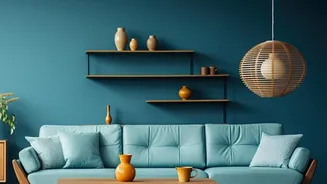
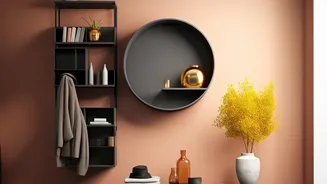
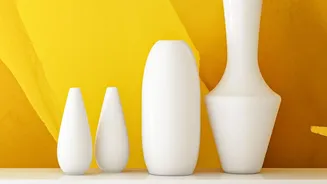
Balance is achieved by thoughtfully distributing the ‘visual weight’ of your items. Visual weight refers to how much an object attracts the eye; large, dark, or heavily textured items feel ‘heavier’. The key is to spread this weight across your shelving unit rather than clustering it all in one corner. If you have a large, dark-coloured vase on an upper left shelf, balance it with a stack of dark-spined books or a substantial piece of art on the lower right. This doesn’t mean you need perfect symmetry. In fact, asymmetrical balance often feels more dynamic and natural. Play with a mix of heights and shapes—pair a tall, slender lamp with a short stack of books and a round bowl to create a more engaging vignette.
Tell Your Story, Object by Object
Ultimately, the most successful shelves are those that reflect the person who lives with them. This is your chance to curate your own personal gallery. Mix functional items with purely decorative ones. Group books you’ve actually read with framed photos, sculptures, and candles. Incorporate natural textures like wood, stone, or woven baskets to soften the hard lines of the shelves and books. The most compelling arrangements often feature items grouped in odd numbers, like a trio of small ceramic pots, which is naturally pleasing to the eye. Don’t be afraid to layer; place a small piece of art slightly in front of a taller one to create depth and interest.