




The Search for Brain-Boosting Foods
As the global population ages, the quest to find simple, effective ways to maintain brain health has never been more urgent. While there's no magic pill for preserving memory, scientists are increasingly looking at the role of diet. Lifestyle choices,
including what we eat, are a major area of research for slowing age-related cognitive decline. Diets rich in nuts have long been associated with better health outcomes, but specific studies are now digging into how individual foods might make a difference. This brings us to the peanut, a common and affordable legume packed with nutrients, which recently became the focus of a fascinating study on brain function in seniors.
Unpacking the Sixteen-Week Study
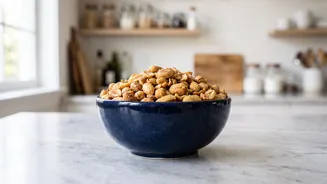
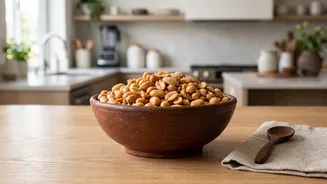
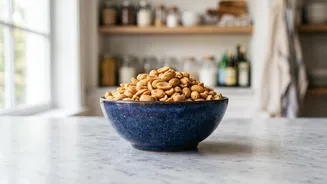
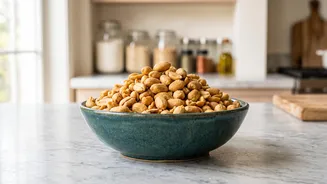
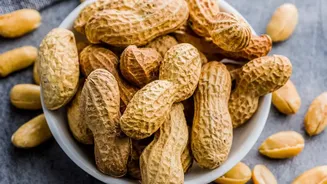
Researchers at Maastricht University Medical Center in the Netherlands designed a rigorous experiment to test the effects of peanuts on the brains of older adults. The study involved 31 healthy participants aged between 60 and 75. Using a 'crossover' design, each person acted as their own control. For one 16-week period, they consumed about 60 grams—roughly two small handfuls—of unsalted, skin-roasted peanuts daily. For another 16-week period, they ate no peanuts. This structure allowed for a direct comparison of the effects of the peanut-inclusive diet versus a normal diet in the same individuals. To measure the impact, researchers used advanced MRI techniques to assess brain blood flow and conducted memory tests at key intervals.
What Did the Researchers Find?
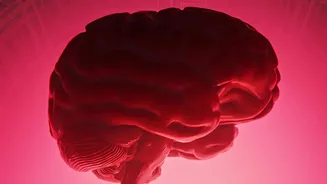
The results were promising and pointed to two key benefits. First, the study found that daily peanut consumption improved brain vascular function. Specifically, participants showed a 3.6% increase in overall cerebral blood flow (CBF) and a 4.5% increase in blood flow to the brain's grey matter. Enhanced blood flow means more oxygen and nutrients are reaching the brain, which is essential for its health. Second, there was a measurable improvement in memory. Participants showed a 5.8% improvement in verbal memory, correctly recalling more words from a list after a delay. Another related finding from the same research team suggested that peanut consumption also improved how brain regions related to memory respond to insulin, a hormone vital for nerve cell communication.
Why Peanuts? The Science in a Nutshell
So, what makes peanuts special? Their nutritional profile offers several clues. Peanuts are rich in L-arginine, an amino acid the body uses to create nitric oxide, which helps relax blood vessels and improve circulation. This could explain the observed boost in brain blood flow. They are also packed with unsaturated fats, protein, fiber, and bioactive compounds like resveratrol, all of which are known to support vascular health and may have anti-inflammatory effects. Essentially, the unique combination of nutrients in peanuts appears to create a supportive environment for better brain function.
Should You Start Eating More Peanuts?
The findings are certainly encouraging, but it's important to keep them in perspective. This was a small study, and its results don't mean peanuts are a cure for dementia or memory loss. However, it does add to a growing body of evidence that dietary choices can play a supportive role in healthy aging. The peanuts used in the study were unsalted and roasted with their skins on, which is a healthier choice than fried or sugar-coated varieties. If you're considering adding more peanuts to your diet, it's a good idea to think about them as part of an overall balanced eating pattern. For those with peanut allergies, this is obviously not a suitable option. As with any significant dietary change, consulting with a doctor or a registered dietitian is always recommended to ensure it aligns with your personal health needs.