

The Urban Squeeze
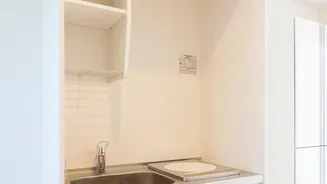
Across India's major cities, the reality of urban living is changing. Apartment sizes have been shrinking, with one report noting a decrease of nearly 17% in major metropolitan areas. This, combined with escalating property costs, means that for the millions
of young professionals, students, and nuclear families moving to cities, maximising every square foot is not a luxury, but a necessity. This urban squeeze is the primary force driving a revolution in home interiors, pushing renters to find smarter, more functional furnishing solutions that don't compromise on style.
Flexibility for a Life in Motion
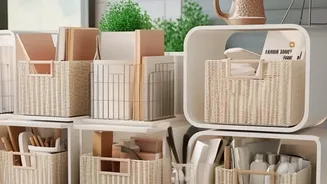
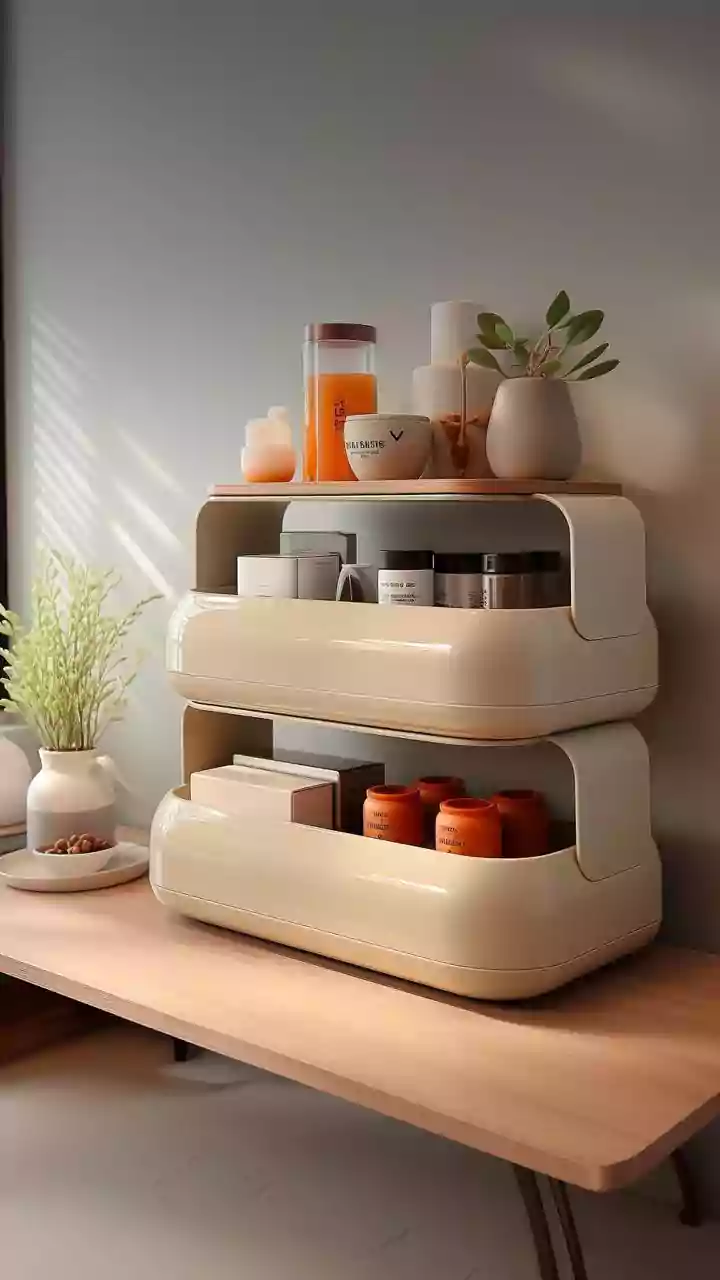
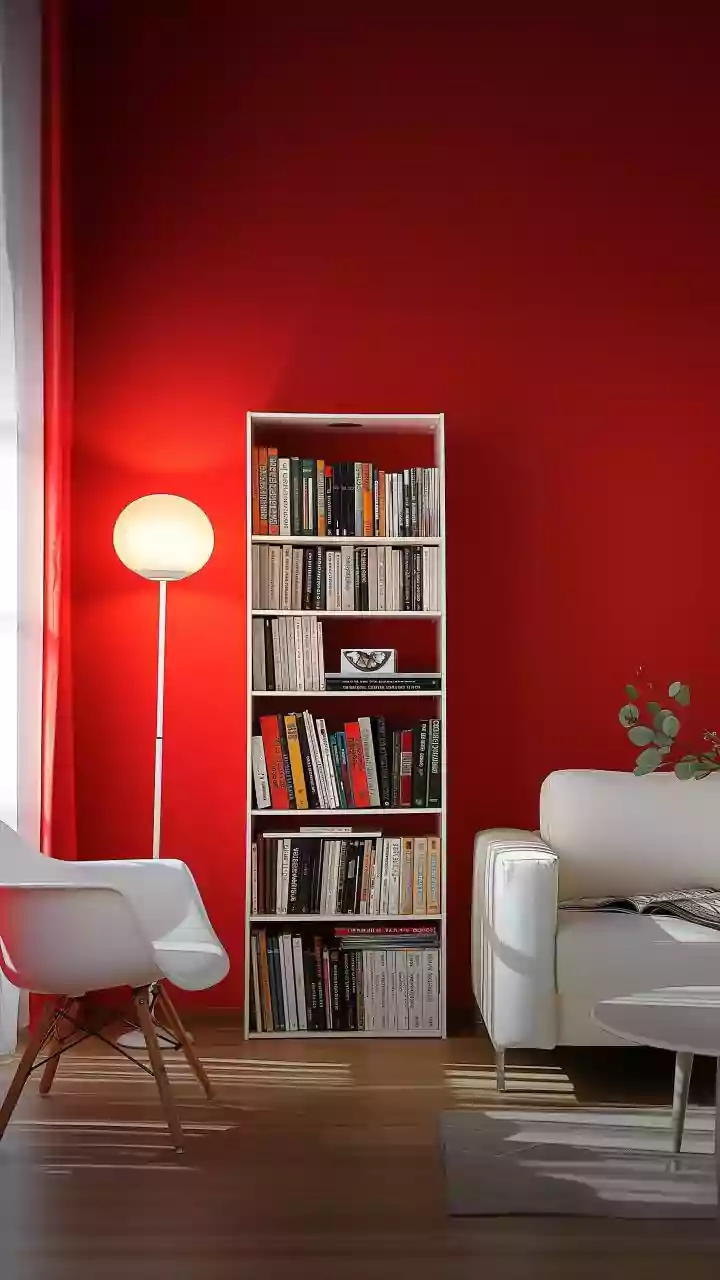
The modern urban renter is transient. Career changes, educational pursuits, or simply the desire for a new neighbourhood lead to more frequent moves. In this context, heavy, single-piece furniture is a liability—difficult and expensive to move, and often a poor fit for the next home's layout. Modular furniture, made of individual units that can be assembled in various ways, offers unparalleled flexibility. A vertical shelving unit in one apartment can be reconfigured into a low media console in the next. This adaptability is a key reason for its growing popularity, as it allows furniture to move and evolve with a person's life, rather than holding them back.
Making Every Square Foot Count
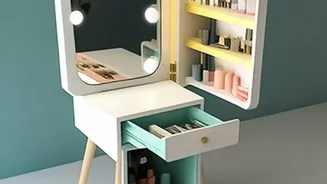
In a compact home, every piece of furniture must justify its existence. Modular designs excel at this by being inherently space-efficient and often multifunctional. Think of beds with hydraulic lifts revealing storage for bedding, foldable dining tables that become slim consoles, or sofas that convert into guest beds. The work-from-home culture has further accelerated this trend, requiring living spaces to double as productive offices. Modular workstations can be cleverly integrated into wardrobes or living room corners, creating a dedicated workspace that doesn't add clutter. This focus on practicality ensures that homes feel organised and open, not cramped.
A Smart Economic and Style Choice
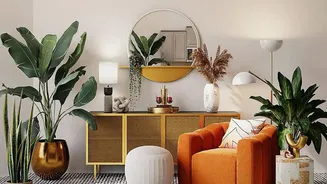
Beyond practicality, modular furniture makes sound financial sense for renters. The high upfront cost of traditional furniture is a significant barrier for many. Modular pieces, including those available through fast-growing furniture rental services, allow for a more phased and budget-friendly approach. Renters can start with essential units and add more as their needs or budgets expand. Furthermore, today's modular designs are a far cry from the generic, purely functional pieces of the past. Homeowners can now choose from a wide range of finishes, materials, and colours, allowing for a high degree of personalisation. This allows renters to create a space that reflects their personal style without committing to permanent, expensive pieces that might not fit their next chapter.