








The Limits of the 'Go Hard or Go Home' Model
The traditional view of fitness is often built around isolated, high-intensity workout sessions. The logic seems simple: burn more calories through exercise to achieve your goals, whether that's weight loss or muscle gain. While formal exercise is undeniably
crucial for health, some studies suggest that relying on it alone can lead to plateaus. A recent international study from Tel Aviv University found that as people increase their physical activity, their bodies can adapt by reducing energy expenditure elsewhere, sometimes by lowering resting metabolism. This metabolic adaptation helps explain why even sustained training efforts don't always produce the expected weight loss results. The body gets more efficient, meaning the benefits of that one-hour workout can be unintentionally offset by how the body conserves energy during the other 23 hours. This doesn't mean exercise isn't beneficial—it is vital for cardiovascular health, strength, and mental well-being—but it highlights that our fitness plans need a more holistic view.
The Overlooked Power of a Good Night's Sleep
One of the most critical, and often neglected, components of a successful fitness plan is sleep. It's during sleep, particularly the deep, non-REM stages, that the body does most of its repair work. When you exercise, you create micro-tears in your muscle fibers; sleep is when your body releases growth hormone to repair this damage, leading to muscle growth and increased strength. A lack of quality sleep can sabotage your efforts in the gym. It can lead to increased levels of cortisol, a stress hormone that breaks down muscle tissue, and disrupt hormones that regulate appetite. Furthermore, sleep deprivation impairs neuromuscular function, reduces endurance, and can even affect your motivation to exercise in the first place. Research consistently shows that regular physical activity improves sleep quality, and in turn, better sleep enhances physical performance, creating a powerful positive feedback loop.
Everyday Movement Matters—A Lot
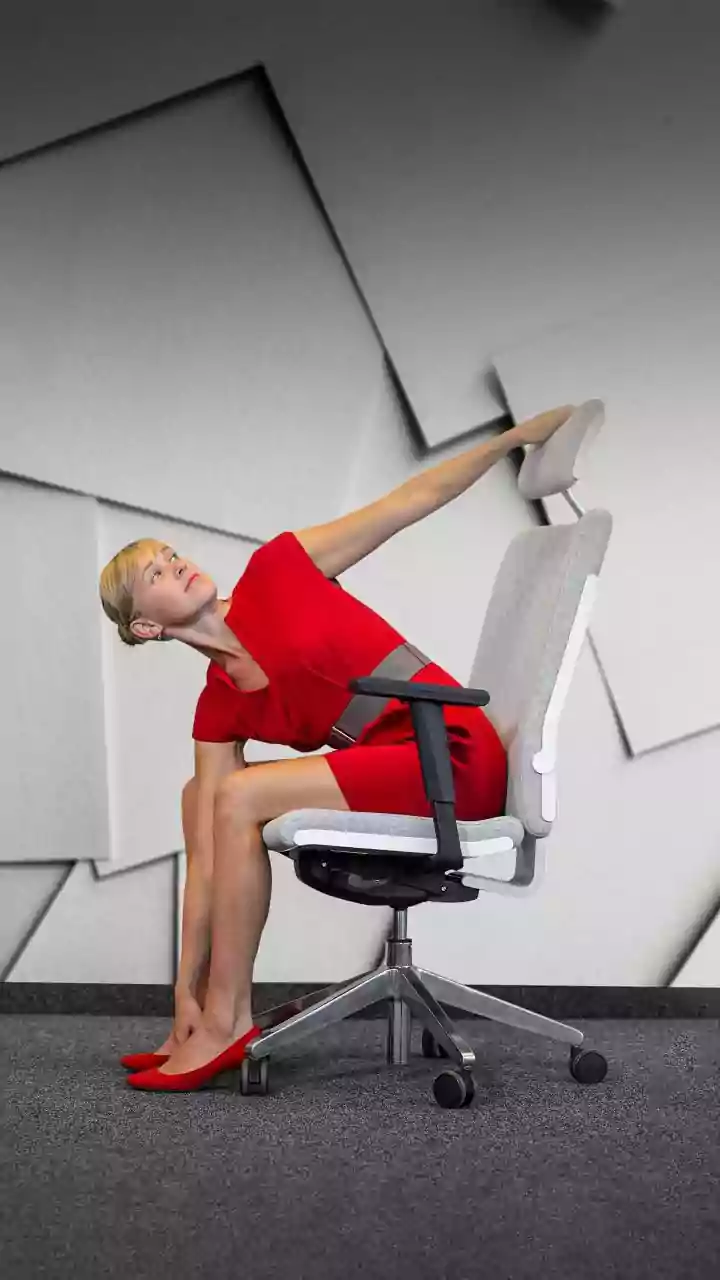
Beyond the gym and the bedroom, there's another crucial factor: all the little movements you do throughout the day. This is known as Non-Exercise Activity Thermogenesis, or NEAT. It includes everything from walking to your car and taking the stairs to fidgeting at your desk or doing household chores. While these small actions may not feel like a workout, their cumulative effect on your total daily energy expenditure can be substantial. In fact, the difference in NEAT between two people of similar size can account for a variation of up to 2,000 calories per day. In our modern, largely sedentary world, where many people spend less energy on occupational activities than in past decades, consciously increasing NEAT is more important than ever. It counteracts the negative effects of prolonged sitting and keeps your metabolism active throughout the day. Thinking about NEAT can be a motivator for those who find formal exercise daunting, serving as a gateway to a more active lifestyle.
Building a Truly Holistic Fitness Plan
So, what does this mean for your fitness routine? It’s not about abandoning your workouts but about broadening your definition of fitness to be a 24-hour concept. A truly effective plan integrates exercise, sleep, and daily activity. Start by protecting your sleep schedule. Aim for 7-9 hours of quality sleep per night to allow for optimal recovery and hormone regulation. Regular exercise, even moderate activity like walking, has been shown to improve sleep quality. Next, look for opportunities to increase your NEAT. Take short walking breaks every hour, choose the stairs, park farther away from the entrance, or incorporate more active hobbies into your life. These small changes add up. Finally, continue with your planned exercise, whether it's resistance training, cardio, or a mix of both. The key is to see your workout not as the only tool you have, but as a powerful part of a much larger, interconnected system of well-being.