



The Problem with the Modern Chair
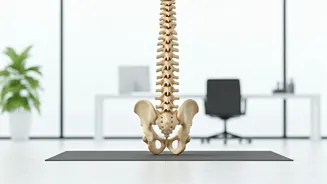
Prolonged sitting has become a hallmark of modern life, but our bodies weren't designed for it. [6] When you sit for hours, several things happen. Your hip flexors, the muscles at the front of your hips, shorten and tighten. [3, 7] Meanwhile, your gluteal
muscles—your body's largest and most powerful muscle group—can effectively 'switch off' from lack of use, a condition sometimes called gluteal amnesia or 'dead butt syndrome'. [10, 15, 18] This combination of tight hips and inactive glutes can lead to poor posture, lower back pain, and a general feeling of stiffness and fatigue. [2, 3] Over time, this sedentary behaviour is also linked to more serious health concerns, including weight gain and an increased risk of chronic diseases. [5, 6]
Why the Squat Is a Powerful Antidote
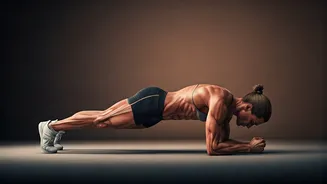
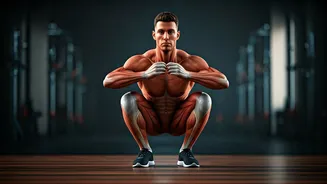
The deep air squat is a foundational human movement that directly counteracts the ill effects of sitting. [4, 19] It is, in essence, the opposite of being in a chair. By lowering your hips below your knees, you actively stretch and open up those tight hip flexors. [4] Simultaneously, the squat forces your glutes to fire up and engage to control the movement and power you back to a standing position. [19] This helps reawaken those dormant muscles and restores proper balance to the pelvis. [19] Squats strengthen the entire lower body—including the quadriceps, hamstrings, and calves—and also engage your core to maintain stability, promoting better posture and overall strength. [9, 20, 29]
How to Perform the Perfect Air Squat
Proper form is crucial to get the benefits and avoid injury. [9] Start by standing with your feet slightly wider than shoulder-width apart, with your toes pointing slightly outward. [25] Initiate the movement by pushing your hips back as if you are about to sit in a chair. [23, 25] Keep your chest up and your back straight, avoiding rounding your spine. [9, 24] Lower yourself until your hips descend below the level of your knees, if your mobility allows. [9] Your heels should remain flat on the floor throughout the entire movement. [23] To stand back up, drive through your heels and squeeze your glutes, extending your hips fully at the top. [23] Keep your knees tracking in line with your toes; don't let them cave inward. [23]
Making It a Daily 20-Squat Habit
The number 20 is not a magic bullet, but it represents an achievable and effective starting point. Performing 20 deep air squats takes only a couple of minutes, making it easy to integrate into your day. You can do them first thing in the morning to wake your body up, or use them as a movement break after a long period of sitting at your desk. [17] The key is consistency. A small, daily commitment to this powerful movement is far more beneficial than an intense, sporadic workout. Once you're comfortable, you can break them into two sets of 10 or do all 20 in one go. The goal is to make it a non-negotiable part of your routine, like brushing your teeth.
Beyond the 20 Squats
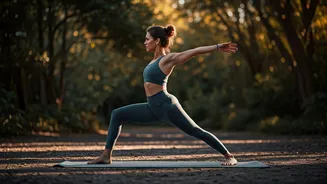
While 20 daily squats are a fantastic tool for combating sitting fatigue, they work best as part of a more active lifestyle. Think of them as a 'movement snack'. [1] The ultimate goal is to reduce your overall sedentary time. Look for other opportunities to move throughout the day. Take short walking breaks every hour. [1, 17] Stretch your hips and back at your desk. [14] Opt for the stairs instead of the elevator. [13] Combining your daily squat routine with more frequent, low-level activity will provide the most significant benefits, helping you feel more energetic, reduce pain, and improve your long-term health and mobility. [11]