



The Convenience vs. Chemical Question
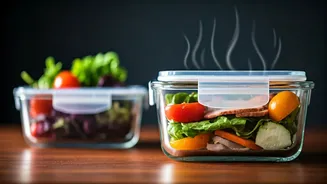
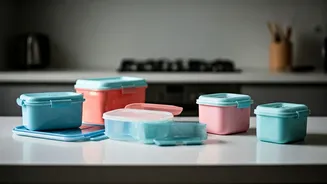
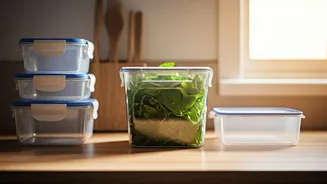
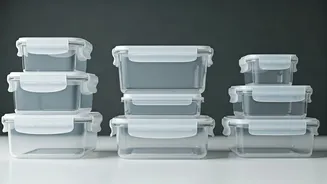
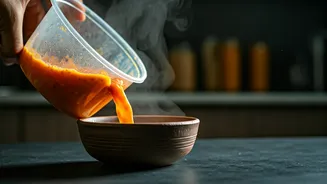
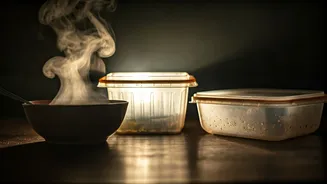
We've all done it: popped a plastic tub of leftovers straight from the fridge into the microwave. It's fast and cuts down on washing up. Yet, this convenience comes with a catch. When certain plastics are heated, they can release chemicals into your food.
The main culprits of concern are bisphenol A (BPA) and phthalates, which are chemical additives used to make plastics hard or flexible. Both are known as endocrine disruptors, meaning they can interfere with the body's hormonal systems. Studies have linked exposure to these chemicals to a range of health issues, including developmental and reproductive problems. Heat, especially with fatty or oily foods, can accelerate the rate at which these chemicals leach out of the container and into your meal.
Decoding the Numbers on the Bottom
Flipping over a container reveals a small triangle with a number inside—the Resin Identification Code. This number tells you the type of plastic, and it's your best clue for heat safety. Generally, plastics with numbers 2, 4, and 5 are considered safer for food use. Plastics to be wary of with heat are #3 (PVC), #6 (Polystyrene), and #7 (Other). Polystyrene, often used for takeout containers, can leach styrene when heated, which is a potential carcinogen. Many plastics in the #7 category can contain BPA. For microwaving, plastic #5, Polypropylene (PP), is usually your best bet as it's heat-resistant and generally considered microwave-safe. However, the presence of a number alone isn't a guarantee of safety.
What 'Microwave-Safe' Actually Means
The 'microwave-safe' symbol—often showing a microwave with wavy lines—is a better indicator of safety than the recycling code alone. This label means the U.S. Food and Drug Administration (FDA) has tested the container and confirmed it can withstand microwave heat without melting or warping. However, this label primarily addresses the container's structural integrity, not necessarily the complete absence of chemical leaching. Some studies show that even 'microwave-safe' plastics, particularly polypropylene (#5), can release millions of microplastic particles per square centimeter when heated. Therefore, while a 'microwave-safe' label is essential, it doesn't mean there is zero risk, especially with older or damaged containers. Never heat single-use containers from items like yogurt or margarine, as they are not designed for reheating and can melt.
Simple Rules for Safer Heating
Navigating plastic safety doesn't have to be complicated. Following a few simple guidelines can significantly reduce your risk. First, always check for a 'microwave-safe' label before heating. If you can't find one, err on the side of caution and transfer the food to a glass or ceramic dish. Avoid microwaving in plastics that are visibly scratched, stained, or old, as damage can make them more likely to leach chemicals. It's also wise to let food cool down slightly before storing it in a plastic container. When you do microwave in a safe container, be sure to vent the lid to allow steam to escape. Finally, try to avoid letting plastic wrap touch your food during microwaving; use a paper towel as a cover instead.
Considering Healthier Alternatives
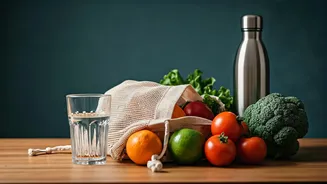
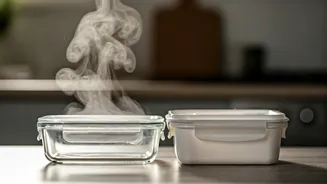
The simplest way to eliminate any risk from heating plastics is to avoid it altogether. Glass, ceramic, and stainless steel containers are excellent, stable alternatives for both storing and reheating food. Glass and ceramic are particularly convenient as they can typically go from the refrigerator to the microwave to the dishwasher without any concerns about chemical leaching. While they are heavier and more fragile than plastic, their safety profile is a major advantage. For packing lunches where weight is a concern, there are many lightweight stainless steel options available, although remember that metal cannot go in the microwave. Making a gradual switch to these materials for your reheating needs is a proactive step towards reducing your overall exposure to potentially harmful chemicals from plastics.