







The Science of Why You Can't Stop
Before diving into the rules, it helps to understand why this habit is so hard to break. The blue light from your phone's screen is a major culprit. It suppresses the production of melatonin, the hormone that signals to your body that it's time to sleep.
This disruption to your natural sleep-wake cycle, or circadian rhythm, can make it significantly harder to fall asleep. Beyond the light, the content itself is designed to keep you engaged. Notifications, endless feeds, and emotionally charged posts stimulate your brain, keeping it active and alert precisely when it should be winding down. This cycle of stimulation is why many people find themselves scrolling late into the night, a phenomenon sometimes called 'revenge bedtime procrastination', where individuals sacrifice sleep to reclaim personal time after a busy day.
Rule 1: Set a Digital Sunset
One of the most effective strategies is to establish a 'digital sunset' or curfew for your devices. Aim to put all screens away at least 60 to 90 minutes before you intend to sleep. This creates a crucial buffer period, allowing your brain's melatonin production to begin naturally without interference from blue light. If an hour feels too daunting, start with 30 minutes and gradually increase the time. You can set a recurring alarm on your phone—not to wake up, but to remind you it's time to power down for the night. The goal is to make this a consistent part of your routine, signaling to your body and mind that the day is ending and it's time to transition toward rest.
Rule 2: Charge Your Phone Outside the Bedroom
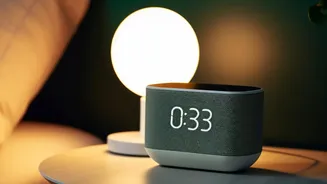
The single most effective way to prevent in-bed phone use is to remove the temptation entirely. Designate a charging station for your phone in another room, like the kitchen or a hallway. This 'out of sight, out of mind' approach creates a physical barrier that makes it much harder to mindlessly reach for your phone from under your pillow. Many people use their phone as an alarm clock, but this is often an excuse to keep it close. Investing in a simple, old-fashioned alarm clock is a small change that can have a huge impact on your sleep hygiene. This rule ensures your bedroom becomes a sanctuary for sleep, not a hub for digital distractions.
Rule 3: Replace Scrolling with a Relaxing Ritual
Breaking a habit is easier when you replace it with something else. If you simply remove your phone without a new plan, your brain will look for something to fill the void. Create a new winddown ritual that is relaxing and screenfree. This could include reading a physical book, journaling to clear your mind, doing some light stretching, or listening to calm music or a podcast without holding the device. Other ideas include taking a warm bath, sipping caffeinefree herbal tea, or practicing a few minutes of meditation or deep breathing exercises. The key is to find activities that soothe your nervous system and help you transition from the busyness of the day to a state of rest.
Rule 4: Adjust Your Phone's Settings (If You Must Use It)
While the best rule is to avoid screens altogether before bed, sometimes life gets in the way. If you absolutely must use your phone in the evening, make some adjustments to minimize the harm. Most smartphones have a 'Night Mode' or 'Night Shift' setting that warms the color temperature of the screen, reducing the amount of blue light emitted. While studies on its effectiveness are mixed, it's a better option than a fullblast blue screen. You can also manually lower the brightness to the minimum comfortable level. Furthermore, turn on 'Do Not Disturb' mode automatically in the evenings to prevent notifications from pulling you back in when you're trying to disconnect.