


The Last-Mile Connectivity Gap
The core of the issue lies in what urban planners call the 'last-mile problem'. While a metro can efficiently transport someone across long distances, it only delivers them to a station, not their final destination. This final stretch, whether to a home
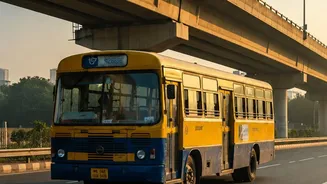
in a residential colony or an office in a business park, is often poorly serviced by public transport. Feeder buses can be infrequent, follow rigid routes, or have unpredictable schedules. Auto-rickshaws, another common option, often involve haggling over fares and can be expensive for daily travel. This gap in reliable, affordable, and accessible transport forces commuters to find their own solutions.
Time Is the Ultimate Currency
In the fast-paced environment of a major Indian city, every minute counts. The time spent waiting for a bus or an auto-rickshaw can easily add 15 to 30 minutes to a commute. A two-wheeler eliminates this waiting time entirely. It offers the freedom to leave the metro station and be on your way instantly. Furthermore, the agility of a scooter or motorcycle is a significant advantage in navigating India's notoriously congested streets. Riders can filter through traffic jams and take narrower, less-crowded internal roads that buses cannot access, often slashing travel time significantly compared to any other road-based transport.
A Clear Cost Advantage
While public transport seems cheaper on paper, the math for a daily last-mile commute often favors a two-wheeler. A single trip may require a metro fare, plus a bus ticket, and sometimes an additional auto ride, eroding the savings. In contrast, the running cost of a fuel-efficient motorcycle is remarkably low, often cheaper per kilometre than a bus or metro. Even when factoring in the initial purchase price and maintenance, the predictable, low daily expense is a major draw. For many, the cost of using multiple forms of public transport or relying on cabs daily can exceed the monthly EMI of a new scooter, making personal vehicle ownership an economically sound decision.
Unmatched Flexibility and Freedom
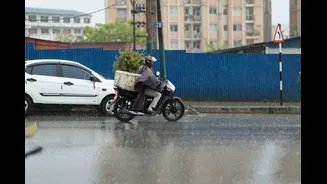
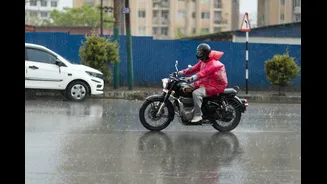
A two-wheeler offers a level of convenience that public transport simply cannot match. It provides door-to-door connectivity, eliminating long walks from a bus stop in the heat or rain. Commuters have the flexibility to run errands on the way home, make unplanned stops, or change their route at a moment's notice. This autonomy is highly valued. For many, especially women who cite safety as a major concern during late-hour travel or on poorly lit routes from public transport nodes, a personal vehicle provides a greater sense of security and control over their journey.
The Infrastructure Reality
Urban infrastructure in India has, for decades, evolved around the two-wheeler. While metro systems are new, the surrounding road networks and residential layouts are often not designed for seamless public transport integration. Many metro stations lack adequate, safe pedestrian pathways, forcing people onto the main roads. In contrast, finding parking for a scooter is far easier and cheaper than for a car, with many metro stations offering dedicated two-wheeler parking areas. This existing infrastructure, coupled with the vehicle's ability to handle varied road conditions, from smooth tarmac to potholed lanes, makes it the most practical choice for the diverse urban landscape.