





The Zoning Philosophy: A New Way to Pack
Packing for the monsoon or a destination known for its downpours isn't just about throwing in a raincoat. It’s about a systematic approach. Rainy weather exposes weak packing systems, turning a single shower into a day of soggy inconvenience. The core
idea is to separate your belongings into distinct zones within your luggage. This isn't just about physical separation; it's a strategic mindset. You'll have a 'dry zone' for items that must remain pristine, a 'wet zone' for damp gear, and a 'quick-access zone' for things you need at a moment's notice when the rain starts. This method prevents a damp umbrella or a soaked jacket from compromising your entire wardrobe.
Fortifying Your Dry Zone
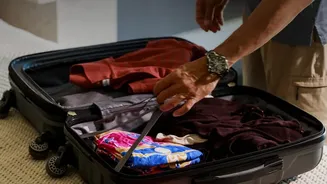
The dry zone is the heart of your luggage—a fortress for your most important items. This includes electronics, travel documents, medications, and your clean, dry sets of clothes. The best way to protect this zone is with layers of waterproofing. Start by lining your suitcase with a large, simple plastic bag. Then, use waterproof packing cubes or pouches to compartmentalize clothes and other items. For critical gear like laptops, phones, and passports, invest in dedicated waterproof cases or sleeves. Even a heavy-duty zip-top bag can offer a surprising amount of protection and is a cost-effective solution for smaller electronics and documents. Remember to place these sensitive items toward the center of your bag, away from zippers and seams where moisture is most likely to penetrate.
Managing the Wet Zone in Your Bag
The wet zone is for items that are damp or have been exposed to the elements. This could be a used swimsuit, a dripping umbrella, a rain-soaked jacket, or muddy shoes. The goal is complete isolation. A dedicated 'wet bag', often made from waterproof materials like PVC or lined fabric, is an excellent investment for this purpose. These bags are designed to contain moisture and prevent it from escaping. In a pinch, a few sturdy plastic bags can serve the same function. It's also wise to pack a quick-drying microfiber towel, which is not only useful after a shower but can help wipe down damp gear before storing it. Always designate a specific, easily accessible pocket or section of your bag for the wet zone to avoid cross-contamination.
The Right Gear Makes All the Difference
Choosing the right luggage and accessories is half the battle. When selecting a backpack or suitcase, look for water-resistant fabrics and durable, sealed zippers. A hard-shell suitcase offers better protection against rain than most soft-sided bags. If you prefer a backpack or duffel, consider one with an integrated rain cover for an extra layer of defense. Beyond the main bag, several small additions can significantly boost your waterproofing efforts. Dry bags, popular in kayaking and camping, are fully waterproof sacks that can be used to protect entire outfits or electronics. They come in various sizes and feature a roll-top closure that creates an airtight seal. Even simple choices, like packing clothes made from quick-drying synthetic fabrics instead of cotton, can make a huge difference if things get damp.
Strategic Packing for Easy Access
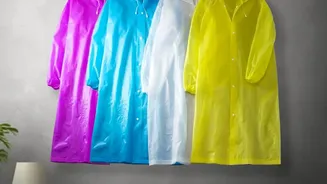
How you arrange your zones matters, especially when you're caught in a sudden downpour. Create a 'quick-access weather zone' near the top of your bag or in an external pocket. This area should hold your compact umbrella and a packable rain shell. This prevents you from having to dig through your entire suitcase in the middle of a storm, exposing your dry belongings to the rain. Organize your main compartment with heavier items at the bottom to keep the bag stable. Your fortified dry zone, containing clothes in packing cubes and electronics in waterproof cases, should occupy the main, central space. The designated wet bag can be placed in a separate compartment or a lined outer pocket for easy access after you've come in from the rain.