



The Cold-Pressed Difference: Flavour Over Fire
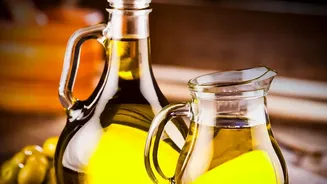
Before we dive into specific dishes, it's crucial to understand what makes cold-pressed oils special. Unlike refined oils, which are extracted using high heat and chemical solvents to create a neutral, shelf-stable product, cold-pressed oils are made
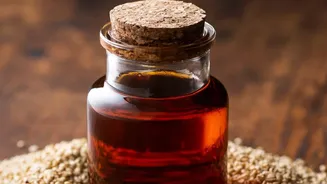
through a gentler mechanical process. By crushing seeds at low temperatures, this traditional method, often called 'kacchi ghani' or 'lakdi ghani' (wood-pressing), preserves the oil's natural character. The result is an oil that tastes and smells like the seed it came from, retaining more of its natural vitamins, antioxidants, and flavour-rich compounds that are otherwise stripped away during industrial refining. This means the oil isn't just a cooking medium; it becomes a key ingredient.
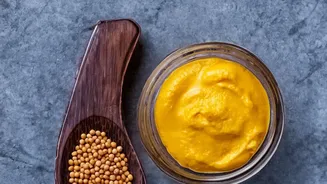
Mustard Oil: The Pungent Soul of the North and East
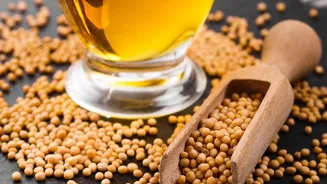
Cold-pressed mustard oil, with its iconic pungent aroma and sharp, peppery taste, is the backbone of many North and East Indian cuisines. Its bold character is not a subtle background note; it defines dishes. Think of the authentic flavour of a Bengali fish curry or the tangy bite of a classic mango pickle (achar); that is the magic of kacchi ghani mustard oil. The refining process mellows this pungency, but in doing so, it strips the very soul from these recipes. Cold-pressed mustard oil also has a high smoke point, making it suitable for traditional Indian cooking techniques like deep-frying pakoras or preparing a tadka, where briefly heating the oil mellows its raw sharpness into a warm, complex flavour.
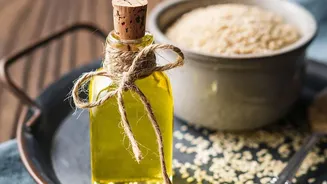
Sesame Oil: The Nutty Heartbeat of the South
Travel south, and the culinary landscape shifts to the warm, nutty notes of sesame oil, often called 'gingelly oil'. In Tamil Nadu, Andhra Pradesh, and Karnataka, cold-pressed sesame oil is indispensable. It's the preferred choice for tempering dals, where it infuses the lentils with a deep, earthy aroma when spices like mustard seeds and curry leaves are crackled in it. It's also the secret to a perfect idli podi experience; the dry spice powder is mixed with a generous drizzle of sesame oil to form a flavourful paste for dipping. Dishes like Vatha Kuzhambu, a tangy tamarind curry, rely on sesame oil to deepen the flavour profile and provide a rich, aromatic finish that neutral oils simply cannot replicate.
Groundnut Oil: The Versatile Workhorse
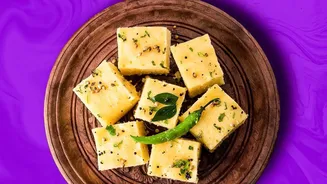
Cold-pressed groundnut oil is a culinary hero in Western and Southern India, particularly in Maharashtrian and Gujarati kitchens. Its character is milder than mustard oil but more pronounced than refined oils, offering a subtle, nutty flavour that enhances rather than overpowers. This makes it incredibly versatile. It has a high smoke point, making it an excellent choice for deep-frying snacks like pakoras and samosas, yielding a crisp texture without a greasy aftertaste. In dishes like Kolhapuri Misal, the nutty base of groundnut oil rounds out the fiery chillies in the 'tarri' (gravy), creating a more balanced flavour. Similarly, the 'vaghar' (tempering) for a traditional Gujarati dal, made with groundnut oil, provides a warmth that perfectly complements the dal's sweet and sour notes.