





The Exciting News
On July 8, 2026, NASA selected seven companies for its Science Transport and Robotic Innovation for Deployment and Exploration (STRIDE) initiative. The list of awardees includes a mix of established aerospace players and innovative newcomers: AeroVironment,
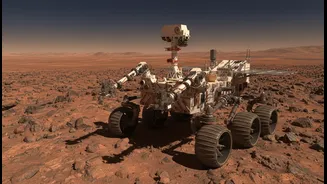
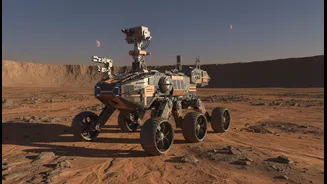
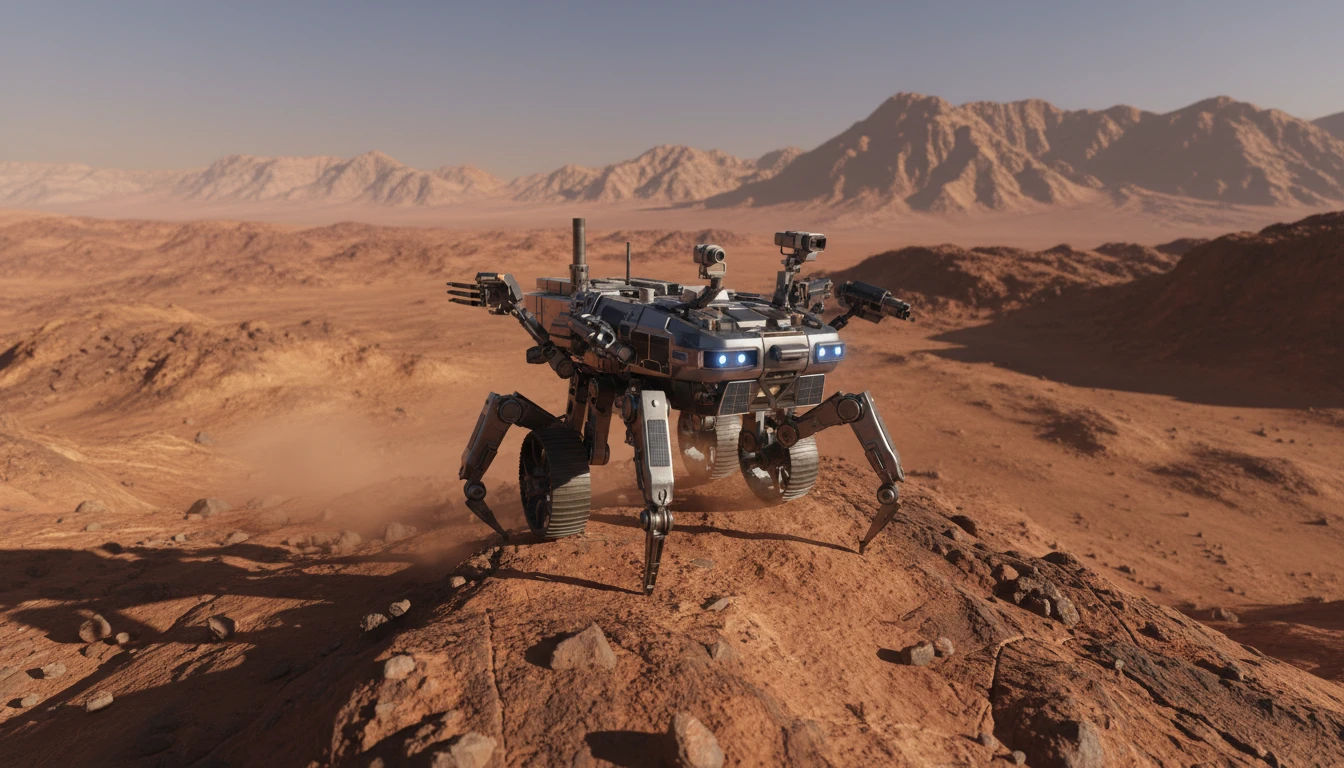
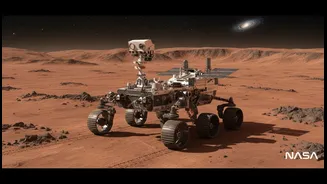
Astrobotic, Venturi Astrolab, Ground Control Robotics, Honeybee Robotics, Intuitive Machines, and MEI Technologies. With a total potential value of around $17 million, these contracts aim to spur the creation of next-generation robotic mobility systems for Mars. The goal is to develop technologies that can handle more challenging terrain, travel farther, and access scientifically rich areas that are currently out of reach for rovers like Perseverance and Curiosity.
What 'Development Contract' Really Means
Here's the reality check: these are not contracts to build and launch new Mars rovers tomorrow. The STRIDE initiative is a technology development program. Think of it less like a car factory's assembly line and more like its advanced research and design (R&D) lab. The companies involved will be creating design studies, concepts, and early-stage prototypes. NASA is essentially paying for brainpower and innovation, asking industry to help figure out what's possible. The technologies born from these contracts will have to go through years of further testing, refinement, and competition before one might be selected for an actual flight mission to Mars.
Fostering an Industrial Ecosystem
So, if these contracts aren't for a specific mission, what is NASA's strategy? The agency is playing the long game. The STRIDE program is a clear example of NASA's commitment to fostering strong public-private partnerships. By funding a diverse group of companies to tackle the same broad challenges, NASA accomplishes several things at once. It encourages competition, which can lead to more innovative and cost-effective solutions. It also helps build a robust industrial base of companies that have experience working on the unique problems of planetary exploration. This creates a pipeline of ideas and capabilities that NASA can draw from for future missions, some of which may not even be fully conceptualized yet.
The Long Road to the Red Planet
Any technology developed under these contracts has a long and difficult journey ahead. Current Mars rovers, like Curiosity and Perseverance, were the result of more than a decade of dedicated design, building, and testing by NASA's Jet Propulsion Laboratory. New systems, especially those from commercial partners, will face a similarly rigorous path. They must prove they can survive the harsh launch, the long journey through space, and the unforgiving Martian environment. The work is scheduled to begin in the fall of 2026, but it represents the first steps in a much longer marathon. It’s about creating options for missions that might fly in the 2030s or beyond.
Why This Still Matters
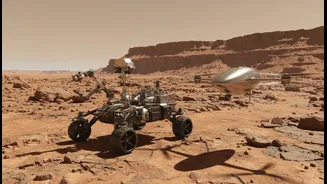
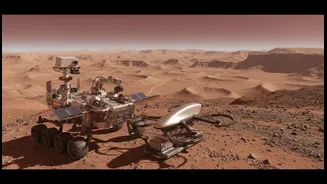
Despite the long timelines, the importance of these contracts cannot be overstated. They signal a strategic investment in the future of American space exploration. For the companies involved, even a relatively small development contract is a huge vote of confidence that officially ties them to NASA's prestigious Mars exploration programs. The initiative aims to identify and fill key gaps in commercial capabilities, pushing the industry to develop systems that can operate in realistic Martian environments. By focusing on mobility over difficult terrain and even aerial platforms, these development efforts are paving the way for a new, more ambitious era of exploring the Red Planet.