






The Great Escape from Urban Grind
The shift to remote work has untethered young professionals from their office desks, sparking a quiet revolution in how they view life and career. No longer bound by proximity to a corporate office in a bustling metropolis, they are seeking environments
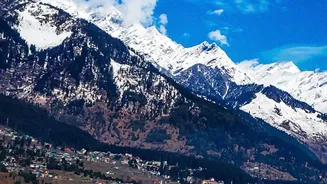
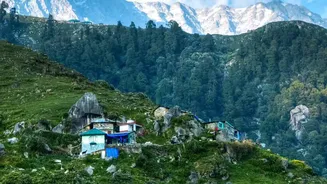
that offer a better quality of life. This exodus is driven by a desire to escape sky-high rents, exhausting commutes, and the relentless pace of city living. The promise of waking up to mountain views instead of traffic noise has become an attainable goal, and Himachal Pradesh has emerged as the destination of choice for this new generation of digital nomads.
Kasol: The Bohemian Riverside Retreat
Nestled in the Parvati Valley, Kasol has long been a magnet for backpackers and is now attracting remote workers with its bohemian charm and stunning natural beauty. Known as the 'Mini Israel of India', its appeal lies in a slow-paced lifestyle set against a backdrop of towering cedar forests and the roaring Parvati River. For long-term stays, Kasol offers a variety of homestays and guesthouses that are more affordable than city apartments. While its reputation was built on trekking and a psychedelic vibe, its evolution includes an increasing number of cafes and accommodations offering the crucial amenity for any remote worker: reliable Wi-Fi.
Bir: Adventure and Tranquility Combined
A few hours away, Bir offers a different flavour of mountain living. Famous as one of the world's best paragliding sites, it attracts adventure seekers, but many stay for the peaceful atmosphere and strong Tibetan cultural influence. Unlike heavily commercialized hill stations, Bir maintains a calm personality, with quiet cafes, serene monasteries, and a slower pace of life that is highly conducive to focused work. The town has gradually developed an infrastructure aimed at digital nomads, with numerous hostels and guesthouses providing long-stay packages, stable internet, and a ready-made community of like-minded individuals.
The Economics of a Mountain Office
A primary driver behind this trend is financial. The cost of living in Kasol or Bir is a fraction of that in cities like Mumbai, Bengaluru, or Delhi. A monthly budget of ₹25,000 to ₹40,000 can comfortably cover accommodation, food, and other essentials, a figure that might only cover rent in a major city. Many long-stay accommodations offer monthly packages that include Wi-Fi, and sometimes even meals, making budgeting simple and predictable for freelancers and salaried employees alike. This financial freedom allows young workers to save money while experiencing a higher quality of life.
More Than Just a Wi-Fi Connection
While good internet is non-negotiable, the appeal of Kasol and Bir goes far beyond connectivity. The biggest draw is the built-in work-life balance. The end of a workday isn't marked by a crowded commute but by a walk to a sunset point, a hike through a forest, or watching paragliders descend against a vibrant sky. These towns offer a strong sense of community, with co-working spaces and cafes acting as social hubs where remote workers can connect, collaborate, and combat the isolation that can sometimes accompany working from home. This blend of productivity, nature, and social connection is something urban environments struggle to replicate.
Navigating the Practicalities
Living this dream does require planning. While internet infrastructure has improved dramatically, with fiber broadband and reliable 4G/5G mobile data from providers like Jio and Airtel available in many areas, it's not infallible. Power cuts can still happen, so confirming that a guesthouse has a power backup is crucial for anyone with deadlines. Accessibility is another factor; both towns are reached by road, often via overnight buses from major cities. However, for the many who make the move, these logistical hurdles are a small price to pay for the immense rewards of a life lived at a different pace.