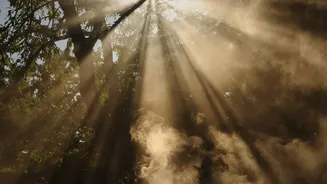




In the heart of India, an ancient wilderness awakens before dawn. Here, in the dense forests of Chhattisgarh, photographers wait patiently for a magical spectacle, a fleeting moment when mist and light conspire to create pure, natural art.
The Ethereal Morning Mist
Long before
the sun asserts its dominance, a cool, thick mist blankets the forest floor. It winds its way through the towering Sal and Teak trees, muffling sound and transforming the landscape into a mysterious, otherworldly realm. This is the first act of a daily drama that draws nature lovers and photography enthusiasts to the state's protected woodlands, particularly in the Bastar region. The moisture hangs heavy in the air, clinging to every leaf and vine, creating a soft-focus effect that even the most advanced camera lens cannot replicate. For those behind the camera, this isn't just weather; it's an essential element of their composition, lending a sense of depth, mystery, and profound tranquility to their images.
Chasing Beams of Light
As the sun begins its ascent, the true spectacle unfolds. The dense canopy, a thick ceiling of interlocking leaves and branches, only allows the most determined rays of light to pass through. These shafts of light, often called 'God rays' or crepuscular rays, slice through the misty atmosphere, illuminating dust motes and water droplets in their path. They spotlight patches of the forest floor, creating a dramatic interplay of light and shadow that feels almost spiritual. Photographers seek out specific clearings and vantage points within areas like the Kanger Valley National Park, waiting for that perfect alignment. Capturing this phenomenon requires not just technical skill—managing exposure in high-contrast scenes is notoriously difficult—but also an immense amount of patience and a deep respect for the rhythm of the forest.
A Biodiversity Hotspot
While the mist and light are the main attractions for many, the forests of Chhattisgarh offer a rich supporting cast of characters. These woodlands, especially within the Achanakmar-Amarkantak Biosphere Reserve, are teeming with life. The forests are a mix of moist and dry deciduous types, dominated by Sal, bamboo, and Saja trees, which support a remarkable diversity of fauna. While tigers and leopards remain elusive, photographers often capture images of bison (gaur), wild dogs, and various species of deer. The state bird, the Bastar Hill Myna, is famous for its ability to mimic human speech, adding an acoustic dimension to the visual splendour. The forests are also home to over 150 species of birds and more than 600 species of medicinal plants, making every trek a lesson in the region's rich natural heritage.
The Photographer's Challenge
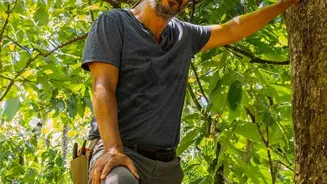
This environment, while beautiful, is not without its challenges. The low light of the early morning, combined with the heavy mist, demands a mastery of photographic technique. A tripod is essential for the long exposures needed to capture the scene without blur. Artists must carefully balance their shutter speed, aperture, and ISO to retain detail in both the bright, illuminated beams and the deep shadows of the surrounding forest. Beyond the technical aspects, there is the physical challenge of navigating the dense, undulating terrain, often in the dark, to reach the perfect spot before sunrise. This dedication is a testament to the powerful allure of these forests, a pull that goes beyond simply taking a picture to truly experiencing a moment of natural perfection.
A Deeper Connection
For many who visit, the act of photographing these forests fosters a deeper appreciation for their fragility. The images they share tell a story not just of beauty, but of an ecosystem that is vital and in need of protection. Eco-tourism initiatives in places like Kanger Valley National Park aim to create a sustainable way for people to experience this natural wonder, ensuring the involvement of local communities and promoting conservation. By capturing and sharing these moments of sublime beauty, photographers become advocates, reminding us of the wild, untouched corners of India that are worth preserving for generations to come. Their work is a quiet call to action: to look, to appreciate, and to protect.