




From Kitchen Scrap to Golden Preserve
In kitchens across India, the principle of using every part of an ingredient is a time-honoured tradition. We use vegetable peels for chutneys and seeds for powders. So, why should the fragrant, vibrant peel of an orange be any different? The zero-waste
movement is breathing new life into this old wisdom, encouraging us to see potential in what we might otherwise discard. Transforming your leftover orange rinds into marmalade is a perfect example. It’s a simple, satisfying process that not only reduces kitchen waste but also rewards you with a gourmet preserve that costs a fraction of store-bought versions. This isn't just about saving scraps; it's about creating something genuinely delicious and luxurious from the simplest of ingredients.
The Hidden Health of the Peel
The claim that this marmalade is 'healthy' isn't just a gimmick. Surprisingly, the peel of an orange is a nutritional powerhouse, in some cases more so than the fruit itself. Orange peels are packed with dietary fibre, which is essential for good digestion and can help regulate bowel movements. They are also incredibly rich in Vitamin C, with some studies showing the peel contains significantly more of this immune-boosting vitamin than the flesh. Beyond that, the peels contain beneficial plant compounds called polyphenols and flavonoids, like hesperidin. Research suggests these compounds have anti-inflammatory properties and may contribute to managing chronic conditions and supporting heart health. While marmalade does contain sugar, making it at home allows you to control the amount and type, creating a far more wholesome treat than commercial alternatives loaded with preservatives.
A Crucial Note on Cleaning Your Peels
Before you rush to turn your peels into preserve, there is a critical first step: cleaning. Since you will be consuming the peel, it’s vital to remove any surface residues like wax and pesticides. The best-case scenario is to use organic, unwaxed oranges or local varieties like the Nagpur orange or Keenu. If you are using standard store-bought fruit, a thorough wash is non-negotiable. Start by scrubbing the oranges firmly with a brush under warm, running water. For a deeper clean, you can soak the fruit for 10-15 minutes in a solution of water and baking soda, which helps break down pesticide residues. Another effective method is a soak in a water and vinegar solution to help dissolve any wax coating. After soaking, give them another good rinse and pat them dry. This small effort ensures your final product is as pure and healthy as possible.
Your Simple Zero-Waste Marmalade Recipe
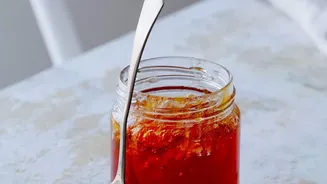
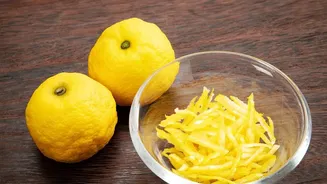
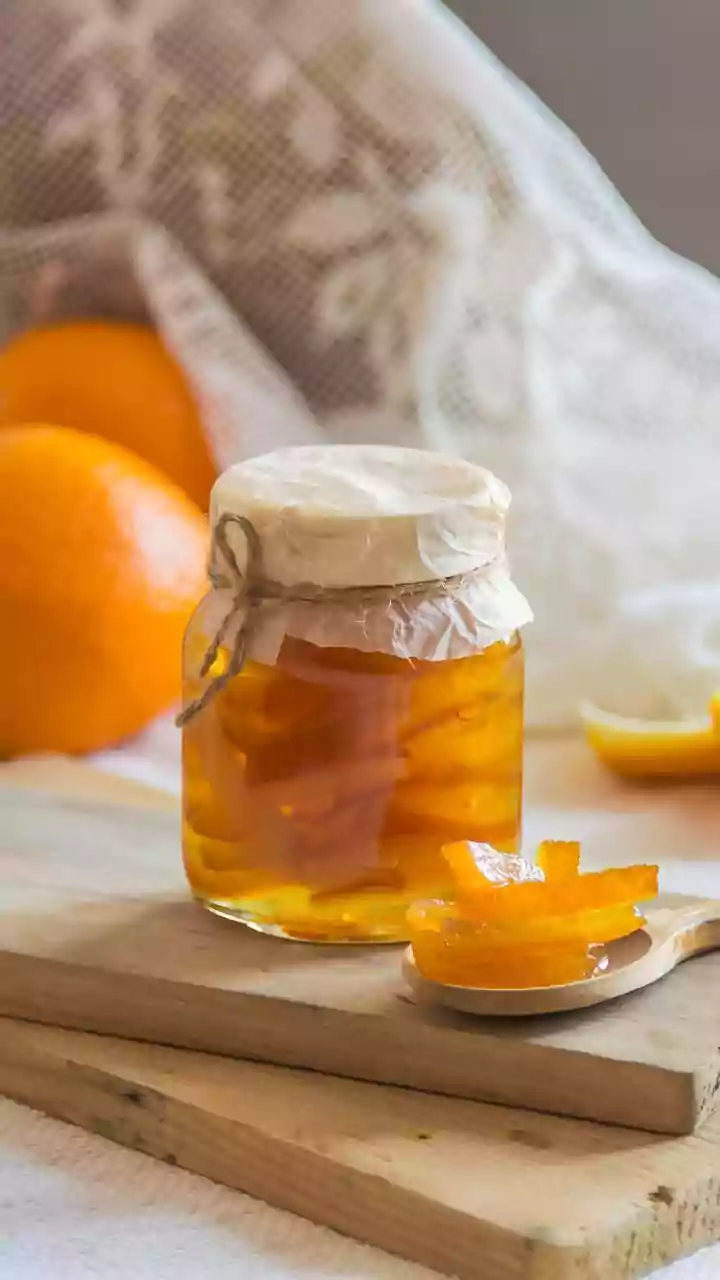
This recipe is a basic framework you can easily master. You’ll need the peels from 2-3 large oranges, about 1 cup of sugar (or to taste), the juice of one lemon, and water. First, slice your cleaned peels into thin strips. Some bitterness comes from the white pith; you can scrape some of it off, but remember that the pith also contains natural pectin which helps the marmalade set. Place the peels in a saucepan, cover with water, and bring to a boil. Simmer for about 10 minutes, then drain. This step helps soften the peels and reduces bitterness. Repeat if you are sensitive to bitter flavours. Return the blanched peels to the pot. Add the sugar, lemon juice, and about 1.5 cups of fresh water. Bring the mixture to a rolling boil, then reduce the heat to a steady simmer. Let it cook, stirring occasionally, for 45-60 minutes, or until the liquid has reduced and thickened into a syrupy consistency. It will thicken further as it cools. Once done, let it cool before transferring it to a sterilised glass jar.
Make It Your Own
The beauty of homemade marmalade is its versatility. Feel free to add a stick of cinnamon, a star anise, or a few slices of fresh ginger to the pot while it simmers for a warm, spiced flavour. If you enjoy a chunkier texture, you can add the chopped pulp of one of the oranges. For a truly Indian twist, consider a pinch of cardamom. Don’t be afraid to mix your citrus; leftover peels from lemons, limes, or kinnow can all be used. Store your finished marmalade in the refrigerator, where it should last for several weeks. Enjoy it spread on warm toast, swirled into yoghurt, as a glaze for chicken or paneer, or as a filling for cakes. Each spoonful will be a reminder of your clever, sustainable kitchen.