




The Search for Realness
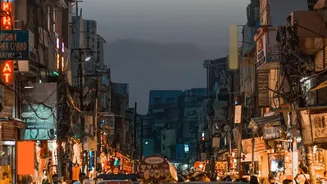
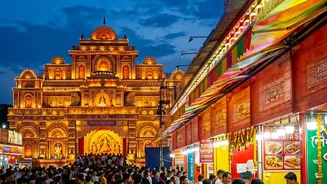
For many young professionals and students, traditional tourism feels sterile and disconnected. They crave authenticity, a concept that food walks deliver in abundance. Instead of visiting sanitised tourist traps, these walks plunge participants into the living,
breathing heart of a city’s culture. They offer a chance to eat where locals eat, see how food is made, and hear the stories behind decades-old family recipes. This turn toward genuine experiences reflects a broader desire among millennial and Gen Z travellers to find meaning and connection, moving beyond the polished surface of a city to understand its true character.
More Than a Meal, It's a Connection
A food walk is rarely a solo affair. It’s a social event that brings together like-minded strangers, creating a temporary community bonded by shared discovery. This format appeals to a generation that values collaborative experiences. The interactions are multi-layered: participants chat with each other, engage in conversations with vendors who are often local legends, and listen to the guide weave together threads of history and culinary trivia. In an increasingly digital world, this face-to-face engagement offers a powerful sense of belonging and shared humanity, turning a simple meal into a memorable, interactive journey.
Curated Discovery in Your Own Backyard
Many participants in these walks are not tourists but residents of the city, sometimes having lived there for years. For them, a food walk is a tool for urban exploration. Cities like Delhi, Mumbai, and Bengaluru are vast and can be intimidating to navigate. A guided food tour offers a safe and structured way to explore unfamiliar neighbourhoods and uncover hidden gems that even locals might not know about. The guide acts as an expert curator, saving participants from the overwhelming 'paradox of choice' and ensuring every stop is a highlight. It's the perfect blend of adventure and convenience.
Doing It For The Story (and The 'Gram)
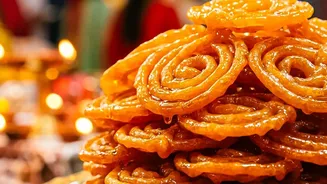
In the age of social media, experiences are the new social currency. A stunning plate of chaat from a historic Old Delhi stall or a perfectly brewed filter coffee in a classic Bengaluru darshini is not just delicious—it's shareable content. Food walks are inherently photogenic, offering a stream of vibrant, authentic moments that look great on an Instagram feed. This isn't just about showing off; it's about storytelling. Each post tells a story of cultural immersion, of being 'in the know', and of living a life rich with experiences rather than just possessions. This digital validation has played a massive role in popularising the trend among a younger, tech-savvy demographic.
A Taste of Nostalgia and Novelty
Food is deeply tied to memory and identity. For some, these walks are a journey back in time, a chance to taste flavours that remind them of their childhood or family traditions. For others, especially those who have moved to a new city for work or education, it's a way to form new memories and build a connection to their adopted home. The food itself often represents a delicious paradox: it is both novel and familiar. Discovering a new dish can be as exciting as rediscovering a forgotten favourite. This dual appeal ensures that food walks cater to a wide range of emotional and sensory desires, making every outing feel both comforting and thrilling.