







The End of an Era: What is the eVisa Shift?
For decades, a successful UK visa application for an Indian citizen resulted in a physical vignette, or sticker, being placed in their passport. This was the tangible proof of their permission to enter and stay. As of 2026, this system has been completely
replaced. The UK has moved to a 'digital by default' border, where your immigration status is not a piece of paper but a secure online record called an eVisa. This change affects everyone, from tourists and students to those on work visas and their families. The transition, which phased out Biometric Residence Permits (BRPs) and now visa stickers, aims to create a more secure and streamlined system. Instead of a sticker, your permission to travel is now digitally linked to the passport you used for your application.
Your New Digital Gateway: The UKVI Account
The eVisa itself is the digital record of your status, but the tool you use to access and manage it is the UK Visas and Immigration (UKVI) account. Think of the UKVI account as your personal online portal for all things related to your UK immigration status. It is not the same as the eVisa; it is the secure gateway through which you view your eVisa. This account is mandatory. After a visa application is approved, applicants must create a UKVI account to access their digital status. This is where you will see the conditions of your visa (like work or study rights), its validity dates, and other crucial details. Each individual, including dependent children, needs their own separate UKVI account.
Why This Account is Now Non-Negotiable
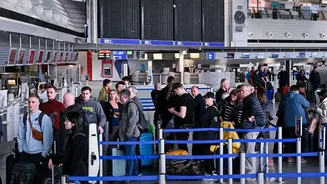
In the old system, your passport sticker was everything. Now, your UKVI account holds that power. Its primary function is allowing you to 'view and prove' your status. For example, you will use it to generate a 'share code' which gives third parties like employers and landlords time-limited access to verify your rights without you having to show them physical documents. More importantly, this account is what airlines will check before you even board a flight to the UK. Airlines can digitally verify a passenger's right to travel, and if your passport details don't match the information linked to your eVisa in your UKVI account, you could be denied boarding. This makes maintaining your UKVI account an essential part of your travel preparation.
The Core Lesson: Master Your Digital Details
The biggest travel lesson from this shift is one of proactive digital management. Your relationship with your UK visa is no longer passive. You cannot simply get a visa, put your passport in a drawer, and forget about it until your trip. You are now responsible for ensuring your digital record is accurate. The most critical task is to keep your passport details updated within your UKVI account. If you renew your Indian passport, your very first action should be to update the new passport details in your UKVI account. Failure to do so will mean your eVisa is linked to an old, invalid travel document, which can lead to significant travel disruptions. This is no longer a bureaucratic afterthought; it is a fundamental requirement for travel.
Action Plan for Indian Travellers
Navigating this new system is straightforward if you follow the correct steps. First, when your visa is granted, you will receive instructions on how to set up your UKVI account. Do this immediately. You will typically need your visa application number (GWF or UAN), your passport, an email address, and a phone number. You will likely need to use the 'UK Immigration: ID Check' app on a smartphone to verify your identity by scanning your passport's chip and taking a photo. Once the account is created, log in to the 'View and Prove' service to confirm that all your details—name, date of birth, and visa conditions—are correct. Before any travel, double-check that the passport you are carrying is the one linked to your UKVI account. Treat this digital check as being as important as checking your flight times.