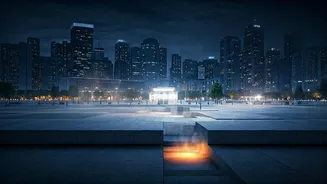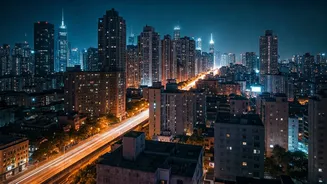









The City That Never Cools Down
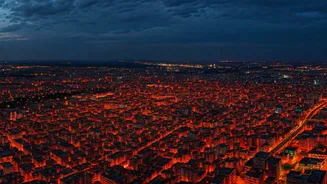
This phenomenon has a name: the Urban Heat Island (UHI) effect. It describes how metropolitan areas become significantly warmer than their surrounding rural landscapes. The temperature difference is most pronounced after dark, when natural environments
cool off, but cities continue to release the vast amounts of heat they absorbed during the day. Studies in various Indian cities like Delhi, Mumbai, and Chennai have recorded temperatures from 1°C to 6°C higher than their rural peripheries. Night-time warming across 141 Indian cities between 2003 and 2020 averaged 0.53°C per decade, roughly double the rate of daytime warming, making nights progressively more uncomfortable and dangerous.
Built to Be Hot
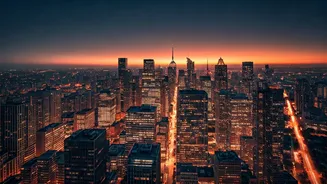
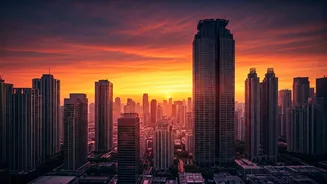
The primary culprit is the very fabric of our cities: concrete, asphalt, and other dark-coloured building materials. Unlike soil and vegetation, which absorb and release heat relatively quickly, these man-made surfaces are incredibly dense. They soak up solar radiation all day and then slowly radiate that heat back into the atmosphere throughout the evening and night. Compounding this is the geometry of cities. Densely packed high-rise buildings create “urban canyons” that trap heat and block cooling breezes from circulating. Adding to this are anthropogenic heat sources — the waste heat pumped out by vehicle engines, industrial processes, and millions of air conditioning units working overtime, creating a vicious cycle of warming.
The Disappearing Greens
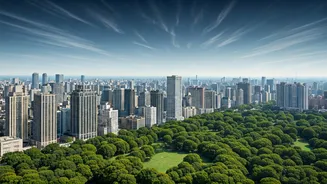
As cities have expanded, they have done so at the expense of natural cooling systems. Trees, parks, lakes, and wetlands have been steadily replaced by impervious, heat-absorbing surfaces. Trees provide a dual cooling benefit: their canopy offers shade, and through a process called evapotranspiration, they release water vapour that cools the surrounding air. The loss of this green cover is stark. In Bhopal, for instance, forest cover reportedly plummeted from 35% in 2009 to just 9% by 2019. This replacement of natural, cooling landscapes with heat-trapping infrastructure is a core reason why urban temperatures have spiralled.
More Than Just Discomfort
The consequences of relentlessly hot nights extend far beyond simple discomfort. From a public health perspective, the lack of night-time cooling means the human body cannot recover from daytime heat stress, increasing the risk of heat exhaustion, heatstroke, and cardiovascular problems. This disproportionately affects vulnerable populations, including the elderly, children, and outdoor labourers. Economically, the UHI effect drives up energy consumption as demand for air conditioning soars, straining power grids and increasing household expenses. It’s a structural crisis that impacts health, productivity, and the overall livability of our cities.
Cooling Our Concrete Jungles
The good news is that this is a design failure, and design failures can be fixed. Cities across India have begun implementing Heat Action Plans (HAPs) that incorporate long-term cooling strategies. A key, low-cost solution is promoting 'cool roofs'—painting rooftops with reflective white paint that bounces sunlight back instead of absorbing it. Studies show this simple step can reduce indoor temperatures by 2°C to 5°C. Telangana became the first state to launch a mandatory cool roof policy for certain buildings. Other critical interventions include increasing urban green cover through parks, vertical gardens, and urban forests, protecting and rejuvenating water bodies, and updating building codes to prioritise climate-sensitive design.