






Why This Simple Habit Saves You Money
When an essential home appliance like a refrigerator or washing machine breaks down, the immediate goal is to get it fixed as quickly as possible. This is where your organized record becomes invaluable. Calling a service technician without the model and
serial number is like sending them on a treasure hunt without a map. These unique identifiers allow repair professionals to look up the exact parts needed, check for common issues with that specific series, and arrive prepared. This preparation can turn a multi-day ordeal into a single-visit solution, saving you on labour costs and minimising downtime. Furthermore, accurate records are essential for warranty claims. Manufacturers require model and serial numbers to verify coverage, and being unable to provide them can result in you paying out-of-pocket for a repair that should have been free. A little documentation goes a long way in protecting your investment.
What to Record for Each Appliance
Creating a comprehensive log is simple and doesn't require complex software. For each major appliance in your home, create an entry that includes the following essential details: Appliance Type & Brand: (e.g., Samsung Refrigerator) Model Number: This alphanumeric code identifies the specific design of your appliance. Serial Number: This unique code identifies your individual unit, which is crucial for recalls and service history. Purchase Date & Price: This information is vital for warranty claims and for your own financial records. Warranty Information: Note the length of the manufacturer's warranty and any extended protection plans you may have purchased. Service Log: This is where you'll note the date of any service calls, the issue reported, the repairs performed, and the company that did the work.
Where to Find the Numbers
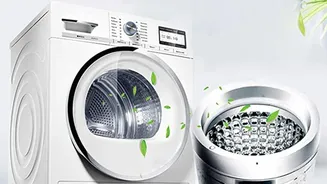
Manufacturers place model and serial number tags in various locations, but they are generally accessible. Before you need a repair, take a moment to locate these tags on your appliances. Common spots include: Refrigerators: Inside the fresh food compartment on a side wall, on the ceiling, or behind the crisper drawers. Washers & Dryers: On the inside of the door or the frame where the door closes. For top-load washers, check under the lid. Dishwashers: Along the edge of the door or on the frame of the tub that the door seals against. Ovens & Ranges: Inside the storage drawer at the bottom or along the frame of the main oven door. Once you find the tag, the easiest way to capture the information is to take a clear photo with your phone.
How to Store Your Appliance Log
How you store your records is a matter of personal preference, but the key is consistency. A low-tech method is a simple three-ring binder labeled "Home Appliances," with a separate page for each item. This allows you to easily slip in receipts and service invoices. A more modern approach is a digital spreadsheet using a program like Google Sheets or Microsoft Excel. The advantage here is that your information is searchable and can be accessed from any device. For those who prefer a dedicated solution, a number of home inventory apps are available that allow you to store photos, receipts, and all the key details in one secure place. Regardless of the method, ensure your records are stored in a place you can easily access, even if your power is out or your computer is down.
Beyond Repairs: Insurance and Home Value
An accurate appliance inventory serves a purpose beyond just streamlining repairs. In the unfortunate event of a fire, flood, or theft, this log becomes a critical document for your insurance claim. It provides proof of ownership and the specific details needed to value your losses, which can significantly speed up the claims process. A well-documented history of maintenance and repairs can also be a selling point when you decide to move. Providing the new owners with a complete history of the home's major systems and appliances demonstrates diligent ownership and adds a layer of trust and value to the transaction.