


Why a Pre-Workout Check Matters
Public fitness equipment endures constant use, exposure to weather, and occasional vandalism. Metal can rust and crack, bolts can loosen, and surfaces can become unstable. Using damaged equipment under the stress of a workout significantly increases your
risk of injury. A routine check isn't about being overly cautious; it's a smart habit that ensures your workout is both effective and safe. Think of it as the most important part of your warm-up. Most injuries related to this type of equipment stem from poor maintenance or improper use. Taking a moment to look before you leap protects not only you but also the next person who uses the apparatus.
The Five-Minute Visual Sweep
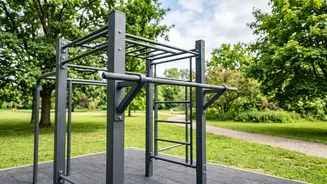
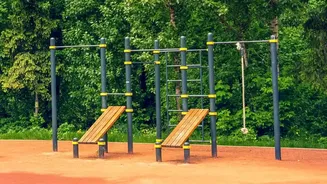
Start with a general look at the equipment and the area around it from a few feet away. First, inspect the ground surface. Look for tripping hazards like exposed concrete footings, rocks, tree roots, or large cracks. Ensure the area is free of glass, litter, and puddles that could cause a slip. Next, give the entire structure a visual scan. Do you see any obvious signs of damage, such as bent frames, significant rust, or cracked welds? Check for any broken or missing parts, like hand grips or footplates. Look at the finish on the equipment; chips in the paint can expose the metal to the elements, leading to corrosion and weakening.
The Hands-On Stability Test
Once the visual check is complete, it's time to get hands-on. Before putting your full body weight on any piece of equipment, test its stability. For pull-up bars, dip bars, and parallel bars, grab them firmly and apply pressure. Push and pull horizontally and vertically. Does the structure wobble, shake, or make unusual noises? Check all bolts and fasteners you can see. They should be tight and secure, not loose or missing. For equipment with moving parts, like an outdoor elliptical or leg press machine, test the range of motion without any load. The movement should be smooth and quiet, not jerky or grinding.
Checking Specific Equipment Types
Different pieces of equipment have unique failure points. For pull-up and monkey bars, check for excessive rust and feel for sharp edges or protruding bolts that could cut your hands. On dip bars, ensure the grips are intact and not spinning freely. For benches used for box jumps or core work, press down firmly on the corners and in the middle to confirm they don't tip or sag. If you plan to use swings for exercises like inverted rows, inspect the chains for open 'S' hooks or rusted links, and check where they connect to the main support beam. Also, ensure any instructional signage is legible so you can confirm the intended use of the machine.
Considering Environmental Factors
Your safety check isn't just about the equipment itself. Pay attention to the weather. After a rain, surfaces can be extremely slippery, even if they look dry. Dew on a cool morning can have the same effect. In very hot weather, metal bars and plastic seats can become hot enough to cause burns. Always be aware of your surroundings, including other people using the park, to ensure you have a clear, safe space to perform your exercises without obstruction. Avoid wearing loose clothing or items with drawstrings that could get caught on the equipment.
What to Do If You Find an Issue
If you discover a piece of equipment that is clearly broken or unsafe, do not use it. It's also a good idea to make it obvious to others that there is a problem if you can, to prevent someone else from getting hurt. The next step is to report it. Look for a sign posted in the park with contact information for the local municipal corporation or parks department. Many cities have a dedicated helpline or mobile app for reporting issues with public infrastructure. In India, the national consumer helpline (1915) can be a starting point for grievances if a specific local contact isn't available. Reporting a hazard is a crucial civic duty that helps keep these valuable community resources safe for everyone.