








What Exactly Are Vacuum Seal Sacks?
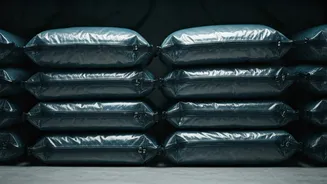
Think of them as supercharged zip-lock bags. A vacuum seal compression sack is a durable, heavy-duty plastic bag equipped with a one-way valve. You place your items inside, seal the bag, and then use a standard vacuum cleaner or a small, often-included
hand pump to suck all the air out through the valve. As the air is removed, the bag shrinks dramatically, compressing the contents. The airtight seal prevents air, moisture, dust, insects, and odours from getting back in. Unlike simple plastic bags, these are specifically designed to be airtight over long periods and are reusable, making them a sustainable choice for seasonal storage.
The Ultimate Monsoon Shield
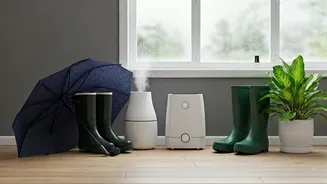
The Indian monsoon is notorious for its high humidity, which can wreak havoc on our belongings. This is where vacuum seal sacks truly shine. By removing all air, you eliminate the environment that mould, mildew, and fungus need to grow. That musty smell that clings to clothes stored away in cupboards? It’s a thing of the past. These sacks create an impenetrable barrier against moisture, ensuring your expensive silks, woollens, and even everyday cottons remain fresh, dry, and clean. They also offer protection against silverfish, moths, and other pests that thrive in damp, dark storage spaces during the rainy season.
Reclaim Your Storage Space
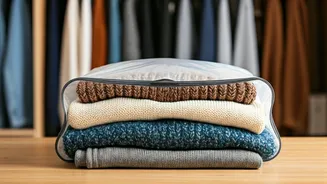
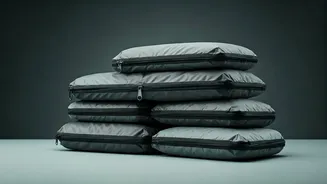
For anyone living in an apartment in a major Indian city, space is a premium. Vacuum seal sacks are a game-changer for home organisation. Bulky items like razais, blankets, winter jackets, and sweaters can be compressed to less than a quarter of their original size. Suddenly, that one overstuffed almirah can hold the contents of two. You can easily slide compressed bags under your bed, on top of wardrobes, or in the back of a closet without them taking over. This allows you to rotate your seasonal wardrobe efficiently, keeping your monsoon essentials accessible while safely storing away everything else.
Beyond Clothes: Other Smart Uses
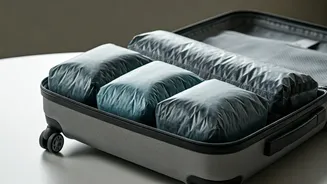
Their utility extends far beyond just your wardrobe. Consider using smaller sacks for protecting important paper documents, photo albums, and certificates from moisture damage. They are also excellent for travellers; roll-up compression bags (which don't require a pump) can help you fit more into your suitcase while keeping dirty laundry separated and contained. You can also store soft toys, extra cushions, and even spare pillows, keeping them clean and compact until they are needed. By creating an airtight seal, you’re not just saving space; you're preserving the condition of your valued possessions.
Choosing the Right Sacks: A Buyer's Guide
When shopping for vacuum seal sacks in India, either online or in stores, keep a few things in mind. First, check the thickness of the plastic, often measured in microns; thicker bags (around 70-100 microns) are more durable and less prone to punctures. Second, inspect the valve. A good quality valve will have a secure cap and a robust one-way mechanism. Third, consider the zipper seal; a double-zip closure provides a more reliable airtight seal. Finally, think about your needs. Buy a variety pack with multiple sizes to handle everything from small sweaters to large duvets. Some packs come with a travel hand-pump, which is essential if you don't have a vacuum cleaner with a hose attachment.
Pro Tips for Maximum Effectiveness
To get the most out of your bags, follow a few simple rules. Always ensure that the items you are storing are completely clean and dry to prevent any trapped odours or moisture from causing issues later. Don't overfill the bags; stop at the indicated 'fill line' to ensure you can get a proper seal. When sealing the zipper, run the provided clip or your fingers over it two or three times to be certain it's fully closed. After vacuuming, securely fasten the valve cap. It's also a good practice to check the bags every few months and re-vacuum if you notice any air has seeped in, ensuring long-term protection.