




In the crowded world of group fitness, Zumba and Barre are two of the most popular choices. One feels like a dance party, the other like a ballet class. So, how do you choose? Let's break down these two powerhouse workouts to find your perfect fit.
The Core Philosophy: Party vs. Precision
At
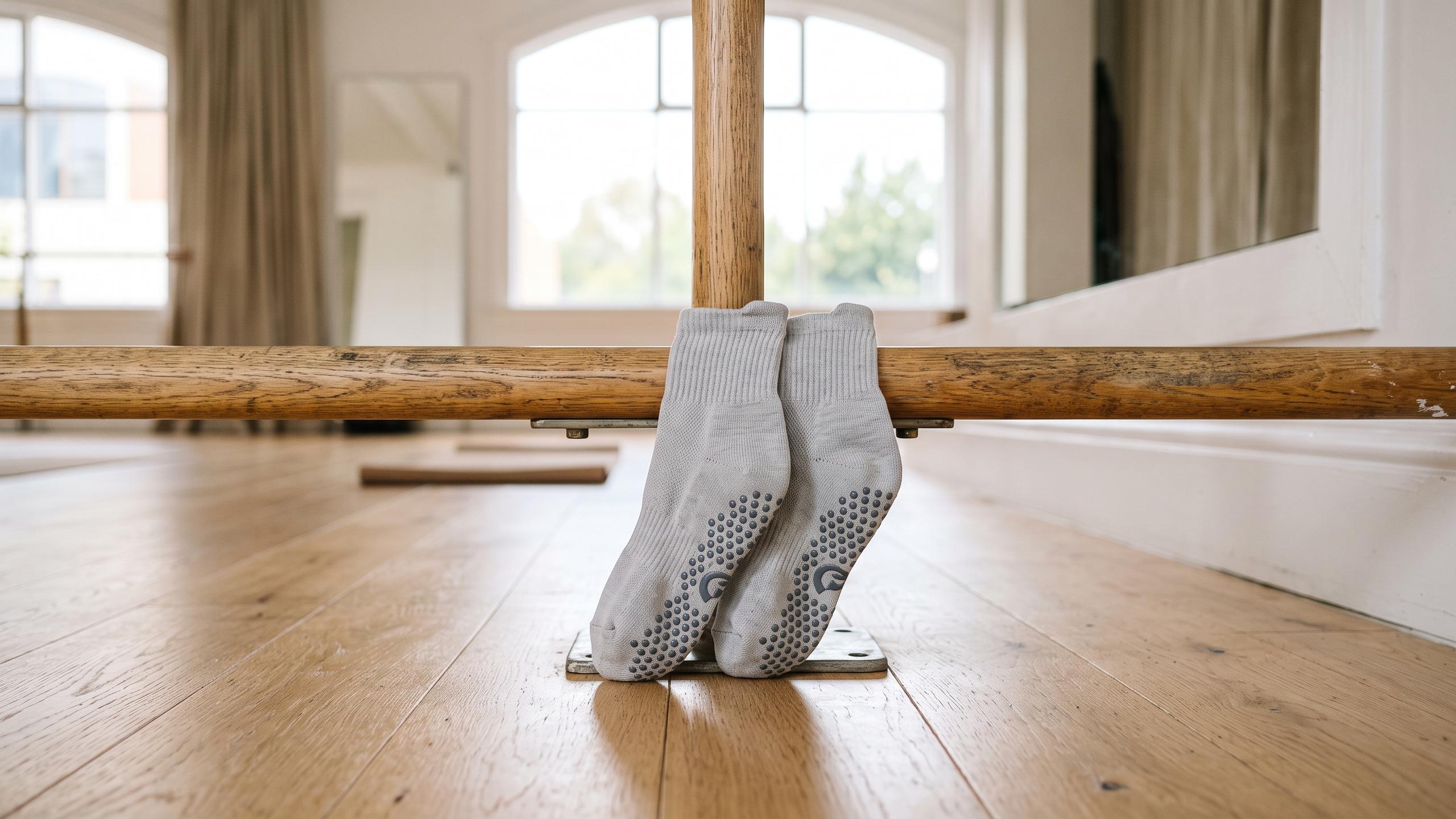
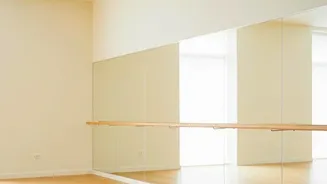
their core, Zumba and Barre offer two fundamentally different experiences. Zumba is a high-energy fitness party. Born in Colombia in the 1990s, it's a dance fitness program that fuses Latin and international music with aerobic interval training. The vibe is social, energetic, and the focus is on fun, making you forget you're even working out. No dance experience is needed; the goal is to keep moving and enjoy the music. Conversely, Barre workouts are inspired by ballet, Pilates, and yoga. This method uses a stationary handrail (the 'barre') for support while you perform small, controlled, and repetitive movements. The atmosphere is typically more focused and serene, emphasizing precision, posture, and mind-body connection. While music is used, it's more for tempo and focus than for a party atmosphere.
The Moves: High-Energy Dance in Zumba
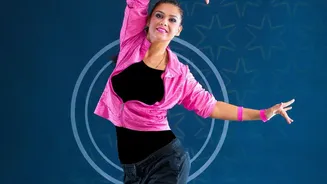
Zumba is defined by its dynamic, high-energy dance movements. A typical class involves easy-to-follow choreography based on styles like salsa, merengue, reggaeton, and cumbia. The structure alternates between fast and slow rhythms, which provides the cardiovascular benefits of interval training. You'll be engaged in full-body movements, from hip-swiveling and rhythmic steps to arm movements and lunges woven into the dance. This constant motion is designed to keep your heart rate elevated, providing a significant cardio workout. While some classes like Zumba Toning may add light weights for muscle conditioning, the primary focus is on aerobic activity and coordination. It’s a workout where big, expressive movements are celebrated.
The Moves: Precision and Control in Barre
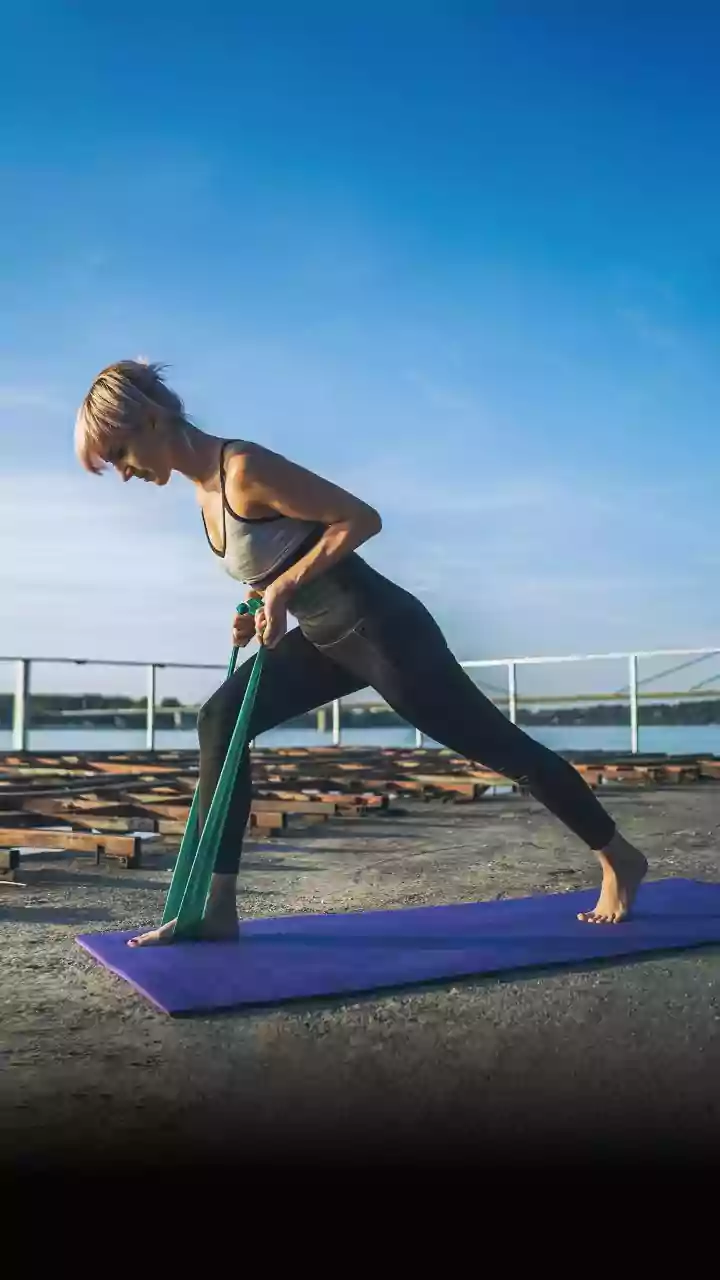
Barre is the polar opposite of Zumba in terms of movement. Instead of large dance steps, Barre focuses on small, controlled isometric exercises. Think tiny pulses, small leg lifts, and holding positions that fatigue specific muscle groups. These high-repetition, low-impact movements are designed to build muscular endurance and tone muscles without putting stress on the joints. A class typically works through sections targeting the arms, thighs, glutes, and core. You'll use the barre for balance as you perform exercises like pliés and leg lifts, and you may also use light props like small weights, resistance bands, and exercise balls to intensify the burn. The famous 'barre shake' happens when your muscles reach fatigue, which is a sign that you're building deep strength.
Primary Benefits: Cardio vs. Sculpting
Because their movements are so different, Zumba and Barre deliver distinct primary benefits. Zumba excels as a cardiovascular workout. Regular classes can significantly improve heart health, boost endurance, and burn a high number of calories—studies show an average of 300 to 900 calories per hour. It's an excellent choice for weight loss and improving overall cardiovascular fitness. It also enhances coordination and can be a major stress reliever. Barre, on the other hand, is a champion of strength and toning. The targeted, low-impact exercises are incredibly effective for building lean muscle, improving posture, and increasing flexibility. While it burns fewer calories per session than Zumba, the muscle it builds can increase your resting metabolic rate, helping you burn more calories over time. It is ideal for those who want to sculpt their physique without high-impact movements.
Which One Is Right for You?
Choosing between Zumba and Barre comes down to your personality and fitness goals. If your main goal is weight loss through cardio, you love a social and high-energy environment, and the idea of dancing your way to fitness sounds appealing, Zumba is your workout. It’s perfect for those who get bored easily with traditional exercise and want a workout that feels like a celebration. If you are seeking a low-impact workout that builds long, lean muscles and dramatically improves posture and core strength, you'll likely prefer Barre. It's ideal for individuals who enjoy structured, focused exercise and appreciate the satisfying burn that comes from isolating and working muscles to fatigue. It's also a great complement to other cardio activities like running or cycling.