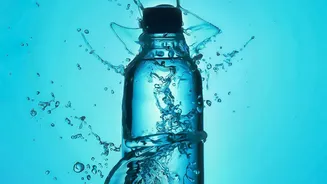








The Post-Monsoon Hydration Paradox
The period following the monsoon presents a unique challenge for our bodies. While the temperatures may have dropped slightly from their summer peaks, the soaring humidity completely changes how we hydrate. High humidity, often climbing above 60%, drastically
slows down the evaporation of sweat. Your body's primary cooling system becomes inefficient; you sweat, but the moisture just clings to your skin without providing much cooling relief. This makes your body work harder, raising its core temperature and accelerating fluid loss. The tricky part is that this often happens without the usual strong sensation of thirst. The constant feeling of being damp can trick your brain into thinking you're adequately hydrated, even when you're losing vital fluids and electrolytes.
How Dehydration Puts the Brakes on Metabolism
Metabolism is the complex process of converting what you eat and drink into energy. For this intricate cellular machinery to work efficiently, it needs water. Every single metabolic reaction in your body occurs in water. When you become dehydrated, even mildly, this entire process is compromised. Think of it like trying to run an engine with dirty oil. Dehydration reduces blood volume, meaning less oxygen and fewer nutrients get delivered to your cells, including your muscles. This leads to fatigue, weakness, and a direct slowdown in your body's ability to burn fat for energy. Even a 1-2% loss of body weight due to water depletion can impair physical and cognitive performance, making you feel sluggish and unmotivated.
The Science of Water-Induced Thermogenesis
Beyond just facilitating basic functions, drinking water can give your metabolism a direct, albeit temporary, boost. This phenomenon is called water-induced thermogenesis. When you drink water, especially if it's cool, your body has to expend energy (burn calories) to warm it up to your core body temperature of 37°C. Studies have shown that drinking about 500 ml of water can increase your metabolic rate by as much as 30% for about 30 to 40 minutes afterward. While this effect alone won't lead to dramatic weight loss, consistently staying hydrated ensures your metabolic engine is always primed and running as efficiently as possible throughout the day.
Practical Hydration for Humid Weather
Thirst is a delayed signal; by the time you feel thirsty, you're already on your way to being dehydrated. During India's humid post-monsoon weeks, it's crucial to be proactive. A simple way to monitor your hydration is by checking your urine colour—it should be a pale, light yellow. Darker urine is a clear sign you need to drink more fluids. Aim to sip water consistently throughout the day rather than chugging large amounts at once. Carry a reusable bottle with you as a constant reminder. While the standard advice is 8-10 glasses a day, your needs increase significantly in humid conditions. Most adults in India's climate may need 3-4 litres of total fluid daily.
More Than Just Water: Electrolytes and Foods
When you sweat heavily in humid conditions, you lose not just water but also essential minerals called electrolytes, like sodium and potassium. Replenishing these is key to proper hydration. Plain water alone can sometimes dilute the remaining electrolytes in your system. This is where traditional Indian drinks shine. Nimbu pani (with a pinch of salt), coconut water, and chaas (buttermilk) are excellent for replenishing both fluids and electrolytes. Furthermore, you can 'eat' your water. Incorporating water-rich foods like cucumber, watermelon, oranges, and leafy greens into your diet contributes significantly to your overall hydration status, helping you feel energised and keeping your metabolism active.