
A Glimpse into the Dawn of Stars
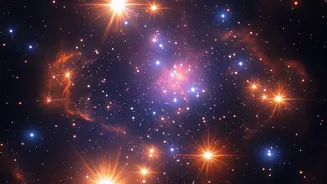
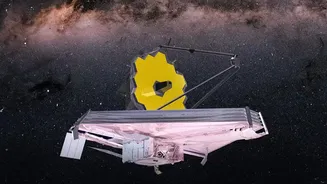
Recent observations from the JWST are providing an unprecedented look into the universe's formative years. The telescope has identified galaxies from just a few hundred million years after the Big Bang that were creating stars at a furious pace. Rather
than the slow and steady process previously imagined, it appears the early universe experienced intense, rapid bursts of star formation. These findings challenge long-held theories about how quickly complex galaxies could emerge and grow. The JWST's infrared vision allows it to cut through the thick cosmic dust that would otherwise hide these nascent stars and galaxies, revealing a universe that was far more dynamic and active in its youth than astronomers had predicted.
Inside a Stellar Maternity Ward
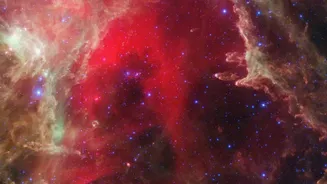
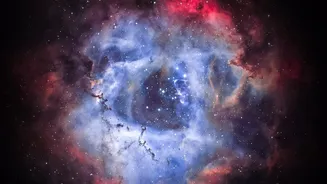
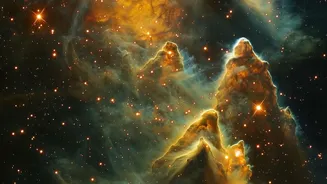
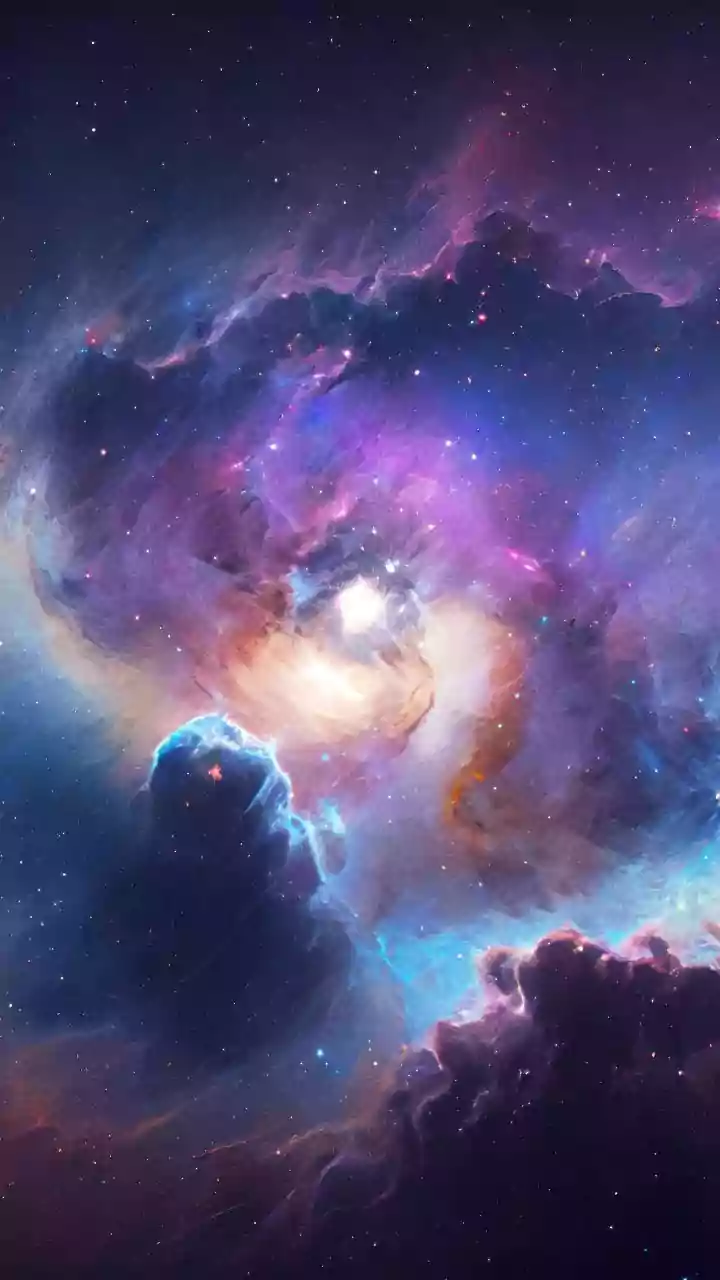
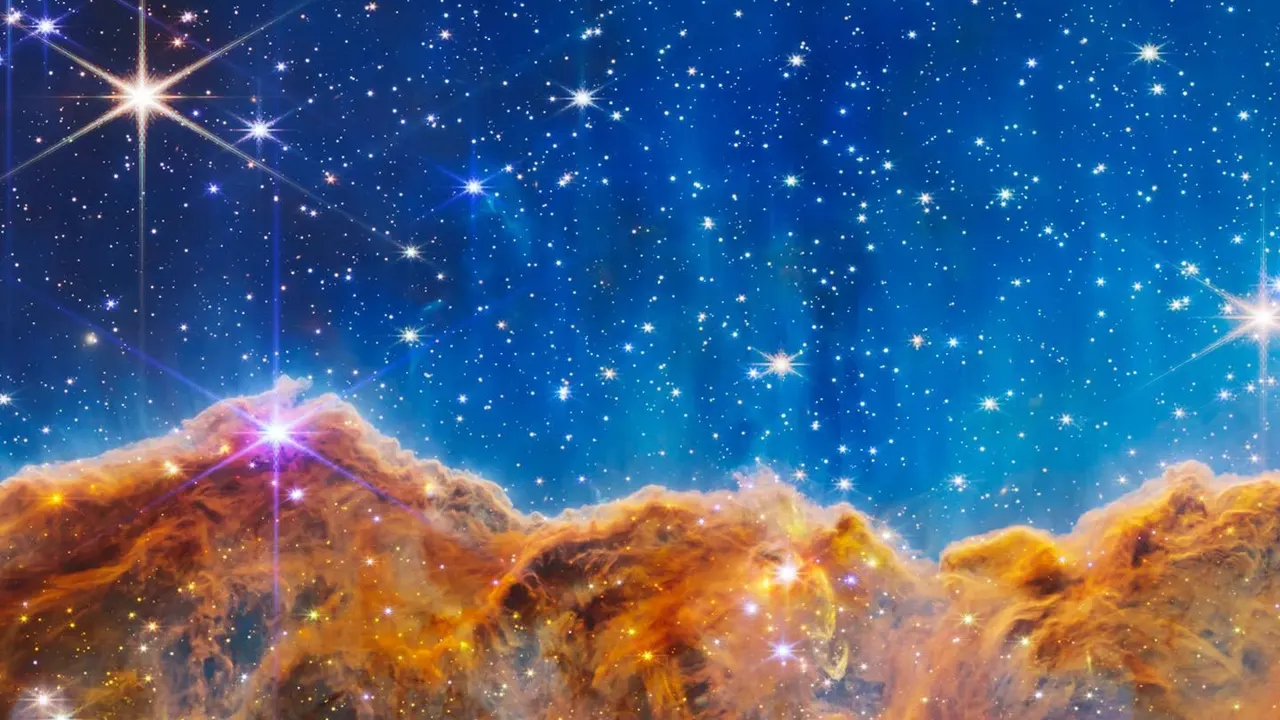
The headline refers to 'cosmic nurseries', which is a poetic term for what astronomers call nebulae. These are immense, swirling clouds of gas and dust floating in space. They are the raw materials for new stars. Deep within these clouds, gravity pulls clumps of matter together. As a knot of gas and dust becomes denser, its core heats up, eventually igniting into a protostar—a baby star. The JWST's powerful instruments can see inside these dusty cocoons, capturing the earliest and most elusive stages of star birth. The telescope has imaged everything from the glowing jets of gas shot out by newborn stars to the dusty disks around them where planets might one day form. Essentially, the telescope is giving us a front-row seat to watch solar systems in the making.
Peering Billions of Years into the Past
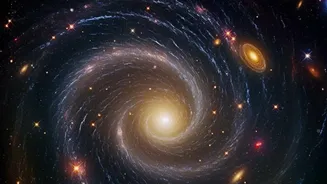
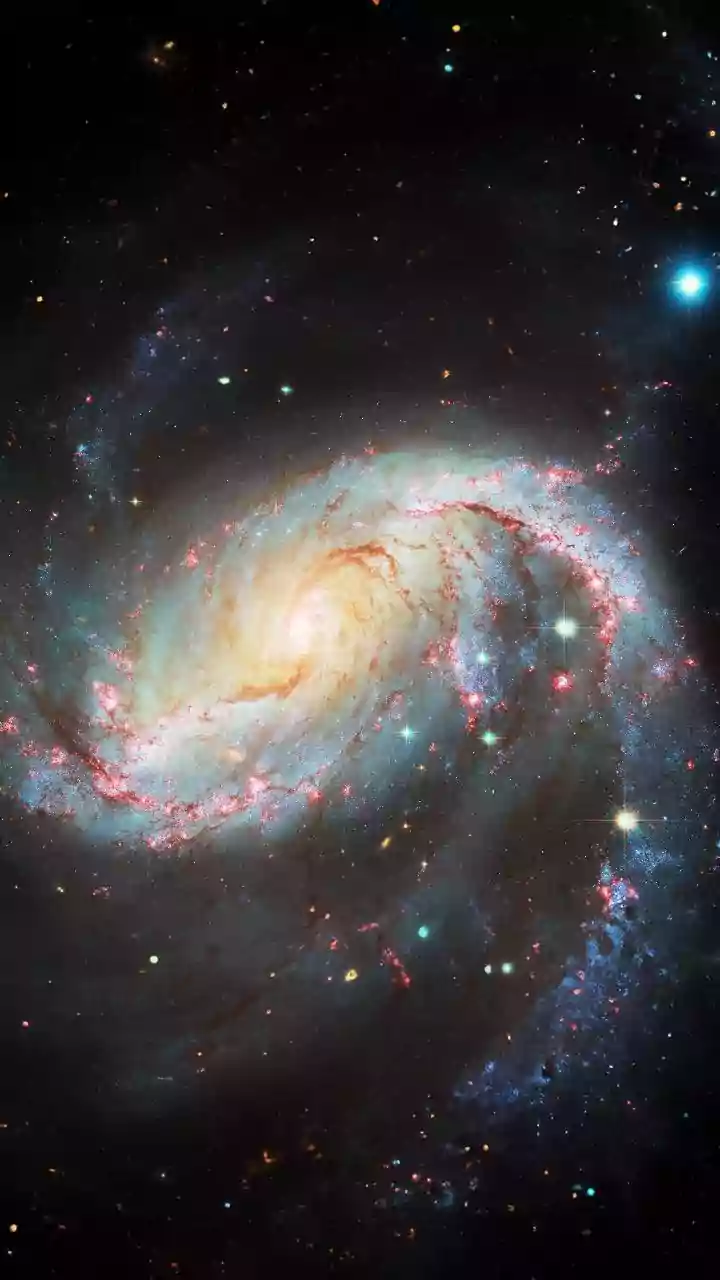
When the JWST looks at 'early deep space', it's performing a kind of time travel. Because light takes time to travel across the vastness of space, looking at extremely distant objects is the same as looking back in time. The light from the galaxies Webb is observing began its journey over 13 billion years ago. This allows astronomers to see what the universe was like during its infancy. Finding active stellar nurseries so early in the cosmic timeline is a monumental discovery. It suggests that the conditions necessary for star formation were in place much sooner than models had predicted. These early galaxies appear to be bursting with activity, challenging our understanding of the timeline of cosmic evolution and how structures like our own Milky Way came to be.
Why This Discovery Matters
Observing these first stellar nurseries is about more than just seeing old light; it's about understanding our own origins. The first stars and galaxies produced the first heavy elements—the 'stardust' that makes up planets and even life itself. By studying how these early stars formed, scientists can refine their models of galaxy evolution. For example, recent JWST data suggests that the earliest, most massive galaxies may contain far more small, faint stars than anyone realised, potentially making them several times more massive than previously estimated. This discovery adds another layer to the puzzle of how such enormous galaxies grew so large, so fast. Each new image from the JWST isn't just a pretty picture; it's a piece of a puzzle that helps us map out the history of the cosmos from the Big Bang to today.