



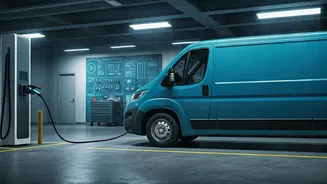


Beyond the Showroom Hype
Every few weeks, another automaker announces an ambitious plan for the Indian electric vehicle (EV) market. These declarations, filled with impressive range figures and futuristic designs, generate significant media buzz and consumer excitement. While
this enthusiasm is a vital ingredient for change, it risks obscuring a more critical truth: a successful EV transition is built on infrastructure, not just inspiration. India's shift to electric mobility is currently outpacing the system's ability to support it. [4] For the millions of EVs targeted for Indian roads by 2030, the real challenge begins after the vehicle leaves the showroom. [7] An EV is only as useful as the network that supports it. Without a comprehensive ecosystem encompassing reliable charging, accessible servicing, a resilient power grid, and coherent policies, even the most advanced electric car is just a driveway ornament waiting for a solution.
The Charging Conundrum
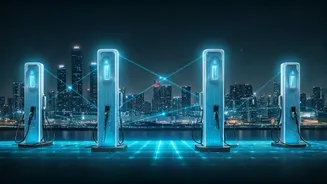
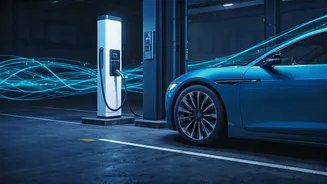
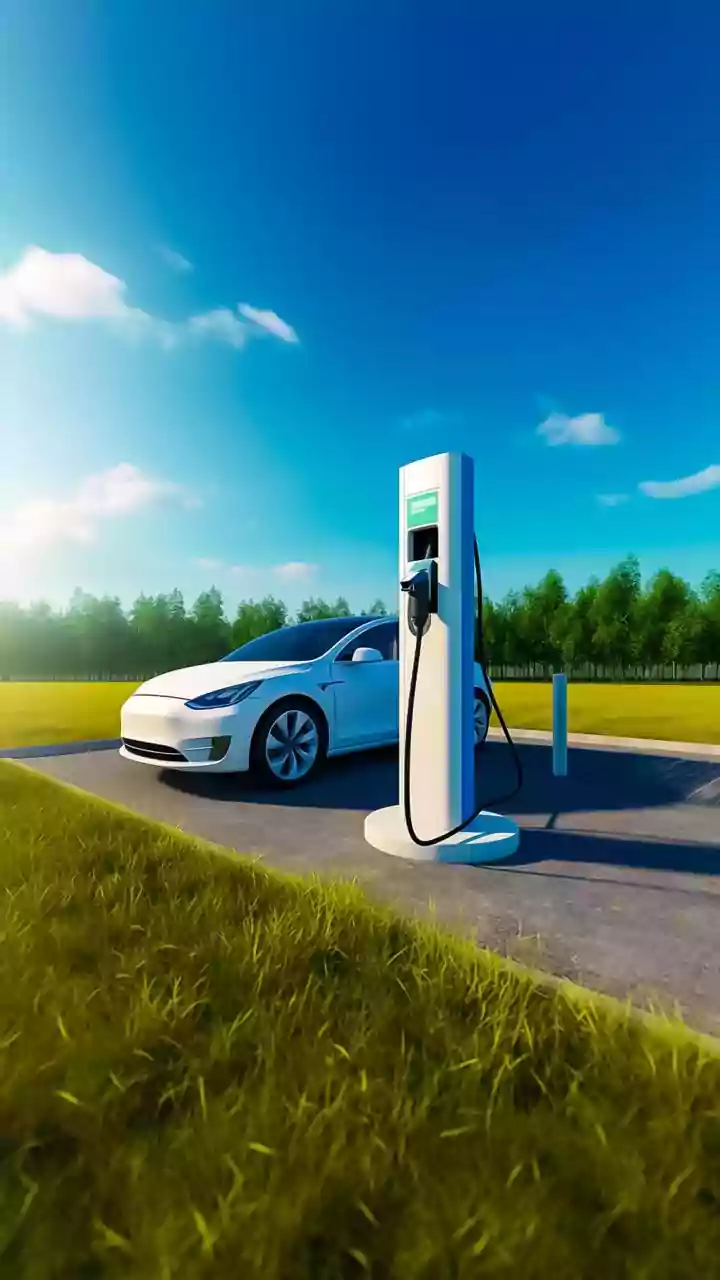
The most visible gap in India's EV ecosystem is public charging. While the network has expanded, it remains insufficient and unevenly distributed. [2, 20] As of early 2026, India has a fraction of the public chargers needed for its growing EV fleet, with a ratio of about one public charger for every 235 EVs, far below global norms. [2, 16] Most charging stations are clustered in major metropolitan areas, leaving vast stretches of highways and virtually all of rural India as charging deserts. [5] This creates significant "range anxiety," a primary deterrent for potential buyers. [11] Furthermore, the reliability of existing stations is a major issue, with reports of non-functional chargers, maintenance problems, and compatibility issues between different vehicle brands and charging connectors. [3, 13] To build consumer confidence, the network must not only grow but become dependable. The government aims to install millions of chargers by 2030, a goal that requires massive investment and coordination. [2]
Can the Grid Handle the Load?
The mass adoption of EVs presents a monumental challenge for India's power grid. Large-scale EV charging, especially the simultaneous use of fast chargers, can place immense strain on local distribution networks, potentially leading to voltage fluctuations and transformer failures. [4] This isn't a distant problem; as EV penetration grows, the grid's readiness becomes a central question. [21, 22] The solution isn't just about generating more power, but managing when and how that power is used. Integrating EVs with a cleaner grid is also crucial; otherwise, we are merely swapping oil dependence for coal dependence. [18, 22] Smart charging solutions, which can shift charging to off-peak hours or align it with periods of high renewable energy generation (like midday solar), will be essential for balancing the load and ensuring a truly green transition. [4, 25]
The Service and Skills Gap
An often-underestimated hurdle is the after-sales service and maintenance ecosystem. Unlike traditional petrol or diesel cars, EVs require specialised knowledge and equipment, particularly for high-voltage batteries and power electronics. [13] India faces an acute shortage of technicians skilled in EV repair. [6, 19] Industry data suggests the vast majority of mechanics are not equipped to work on EVs, and few garages have the necessary tools. [13] This skills deficit leads to long repair delays and frustration for early adopters. [3, 23] Compounding the problem is the availability of spare parts, many of which are still imported, leading to long wait times. [3] Building a sustainable EV market requires a parallel investment in upskilling programs and localising the component supply chain to ensure that owning an EV is as convenient to maintain as it is to drive.
Policy as the Foundation
Government initiatives like the FAME (Faster Adoption and Manufacturing of Electric Vehicles) scheme have been instrumental in kick-starting EV adoption, primarily through subsidies for two- and three-wheelers. [7, 9] The upcoming FAME-III policy is expected to continue this focus and earmark significant funds for charging infrastructure. [8, 12] However, policy needs to be consistent and holistic. Beyond subsidies, the government must drive standardisation in charging connectors, battery swapping, and safety protocols to avoid a fragmented market. [5] Public-private partnerships are essential for shouldering the immense cost of infrastructure development, and policies must create a stable, attractive environment for private investment. [2, 16] The goal is to create a self-sustaining ecosystem where the business case for building and maintaining the infrastructure is as strong as the one for selling the vehicles themselves.