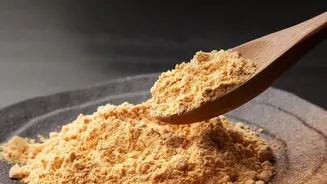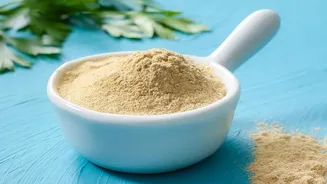




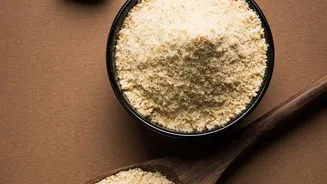
Protein powder is a convenient way to boost your daily intake, but that chalky, gritty texture can ruin a perfectly good meal. The secret isn't to endure it, but to cleverly hide it. Here’s a guide to the best dishes and techniques.
Why Is My Protein Powder Gritty?
That unpleasant texture
often comes down to how well the powder dissolves. Some powders, especially plant-based ones like hemp or certain pea proteins, have larger particles or contain insoluble fiber that doesn't fully break down in liquid. This can leave you with a sandy mouthfeel. Overmixing can also sometimes lead to a rubbery texture, while under-mixing leaves clumps. The key is choosing recipes where the powder's texture is either completely disguised by other ingredients or where the preparation method helps it dissolve seamlessly.
Start with Liquids and Creamy Bases
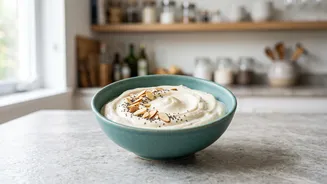
The easiest way to hide a powdery texture is to blend it into submission. Smoothies are a classic for a reason. Using a blender is the most effective way to break down particles. For an even smoother result, add creamy or fatty ingredients like Greek yogurt, nut butter, a piece of banana, or avocado. These ingredients coat the protein particles, creating a richer, less gritty mouthfeel. You can also stir protein powder into oatmeal, overnight oats, chia pudding, or cottage cheese. The existing texture of these foods provides excellent cover for any residual graininess.
Mastering Protein-Packed Baked Goods
Baking with protein powder is an excellent strategy, but you can't simply swap it for flour. Protein powder absorbs much more moisture than flour, which can lead to dry, rubbery results. A good rule of thumb is to replace no more than one-third of the flour in a recipe with protein powder. To counteract the dryness, you'll need to add extra moisture. This can come from ingredients like mashed banana, pumpkin puree, applesauce, Greek yogurt, or an extra egg. Also, be careful not to overmix the batter, which can make baked goods tough. Lowering the oven temperature by about 15°C (or 25°F) can also help prevent your creations from drying out.
Sneak It into Savoury Meals
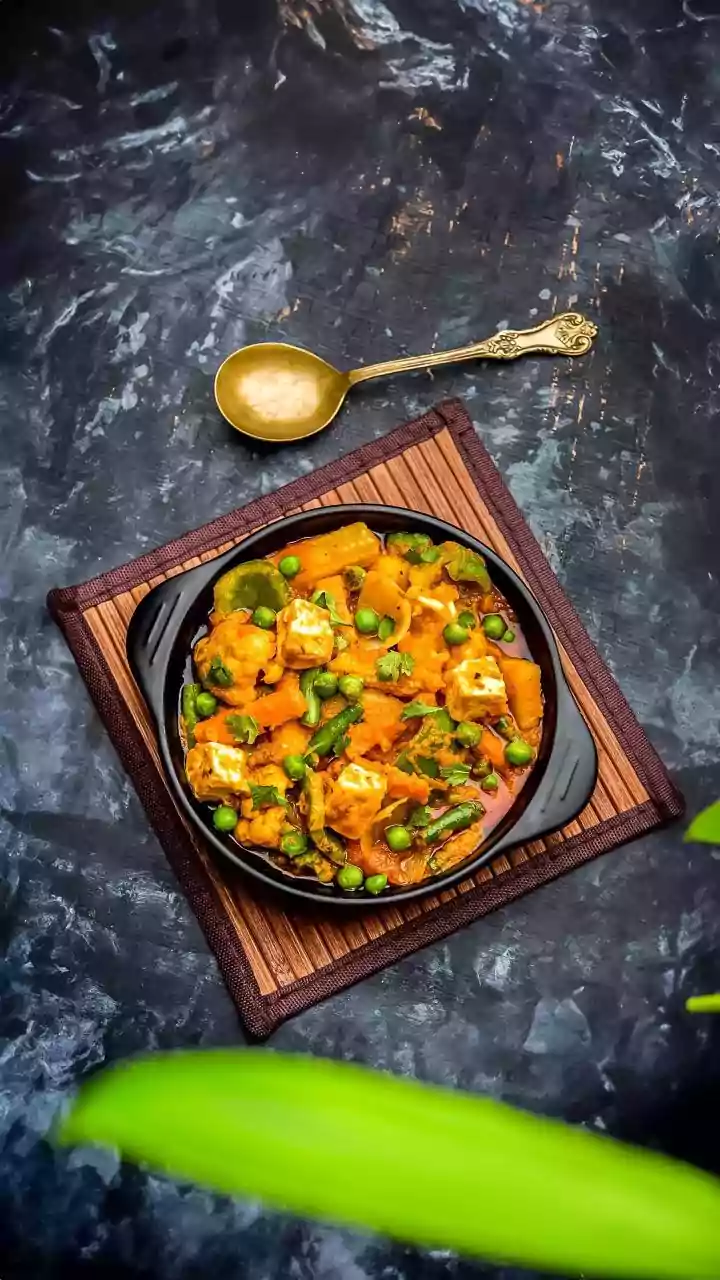
Don't limit yourself to sweet breakfasts and snacks. Unflavoured protein powder can be a ghost ingredient in many savoury dishes. Try stirring a scoop into thick soups, stews, or chili toward the end of cooking. The rich texture and bold flavours of these dishes are perfect for masking any hint of powder. It also blends well into pasta sauces or the base of a casserole. For a simpler approach, mix it into mashed potatoes or other vegetable purees. The key is to add it to foods that are already dense or creamy, where it can be stirred in thoroughly without altering the fundamental character of the dish.
Dishes to Handle with Care
While protein powder is versatile, it doesn't work everywhere. Avoid trying to mix it into thin or clear liquids like water or juice with just a spoon. Without vigorous blending or other ingredients to help, the powder will likely clump and settle, creating a gritty drink. Delicate sauces or light broths are also poor candidates, as the powder can easily overpower the texture and flavour. The goal is to incorporate, not dominate. Stick to recipes where the texture and flavour are robust enough to welcome the addition without being compromised.