





The Old Rule: The Anabolic Window
You’ve probably heard of the 'anabolic window'. It’s the long-held belief that there's a magical 30-to-60-minute window after a workout where your body is primed to absorb protein. Missing it, the gym lore goes, means wasting your gains. This idea led
to a generation of fitness enthusiasts racing from the squat rack to their shaker bottle, convinced that timing was everything. This concept originated from early studies showing that muscle protein synthesis—the process of repairing and building muscle—is elevated after exercise. It seemed logical that providing amino acids immediately would maximize this effect.
The New Science: It's a 24-Hour Job
While it's true that protein is crucial for muscle repair, recent, more comprehensive research has shown that this 'window' is much wider than we thought—lasting 24 hours or more after a workout. The real key to muscle growth isn't just what you eat immediately after training, but your total protein intake over the entire day. A major meta-analysis found that when total daily protein was equal between groups, the supposed benefits of precise post-exercise timing vanished. The new focus is less on the clock and more on two key factors: your total daily protein goal and how you distribute it across your meals.
Your New Goal: Even Distribution
The latest science suggests that how you spread out your protein intake is a game-changer. Many people have a skewed intake, eating a low-protein breakfast, a moderate lunch, and a huge, protein-heavy dinner. One study found that people who ate an even distribution of protein across their meals (roughly 30 grams at breakfast, lunch, and dinner) had 25% higher muscle protein synthesis over 24 hours compared to those who skewed their intake toward the evening. The takeaway is simple: instead of one massive protein meal, aim to feed your muscles consistently. This provides a steady supply of amino acids for repair and growth throughout the day. For most active people, this means aiming for 20-40 grams of high-quality protein per meal.
Hitting the 'Leucine Threshold'
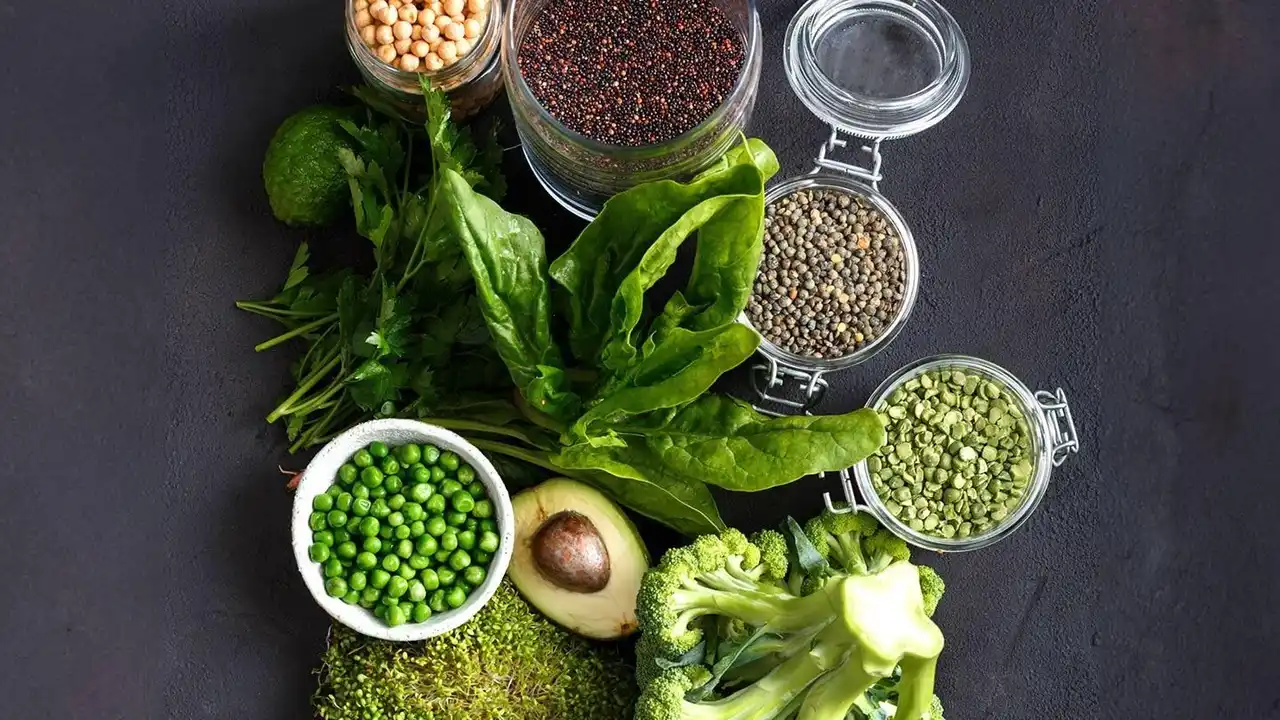
Going a level deeper, it’s not just about the grams of protein, but also about the quality, specifically an amino acid called leucine. Leucine acts as a trigger that kicks muscle protein synthesis into high gear. Research suggests you need about 2.5 to 3 grams of leucine in a meal to maximize this effect. This is called the 'leucine threshold'. This is why simply adding a sprinkle of protein to a meal isn't enough; you need a sufficient dose to flip the switch. High-quality animal proteins like whey, lean meat, and eggs are rich in leucine. For plant-based eaters, it's still achievable, but it requires more attention to combining protein sources or consuming larger quantities to hit that all-important threshold.
Putting It Into Practice
So, how does this change your routine? First, relax about sprinting to the kitchen after your workout. You have time. Focus on hitting your total daily protein target, which for most active individuals is around 1.6 to 2.2 grams per kilogram of body weight. Then, divide that number by the number of meals you eat. For a 70kg person aiming for 1.6g/kg, that's 112 grams of protein per day. Spread across four meals, that’s about 28 grams per meal. This ensures you're consistently hitting the leucine threshold and providing your body with the building blocks it needs, not just in the hour after your workout, but all day long when the real growth and recovery happens.